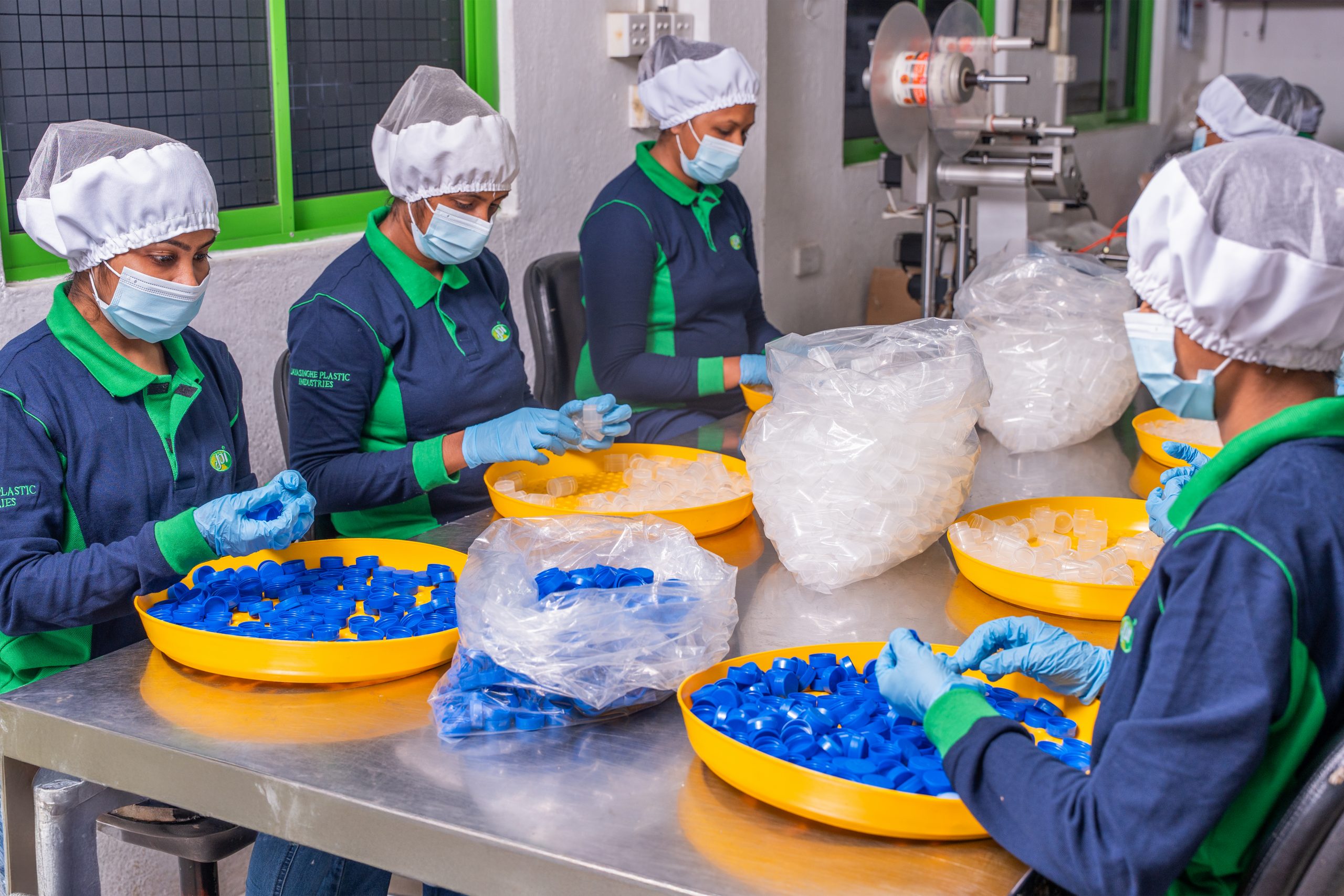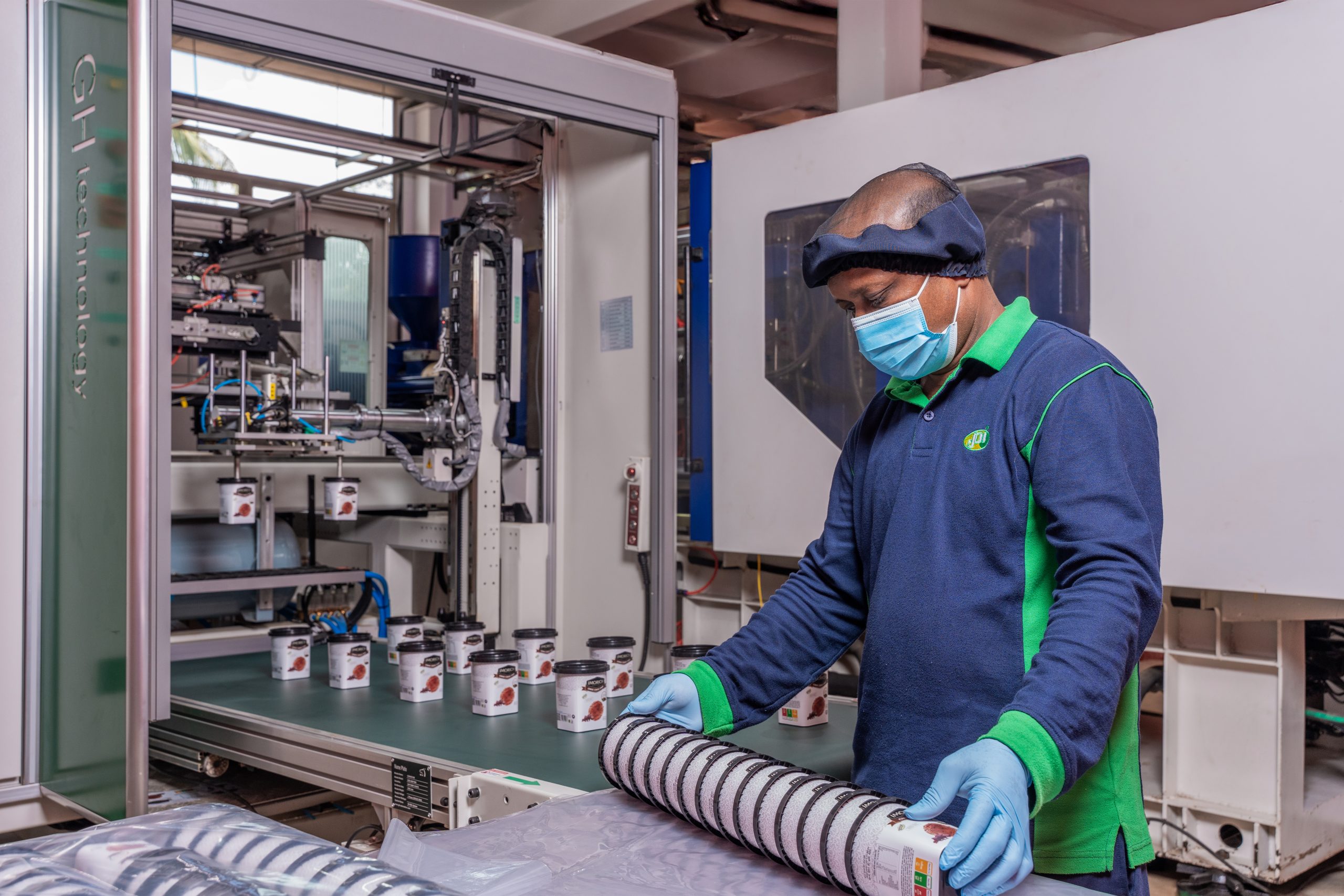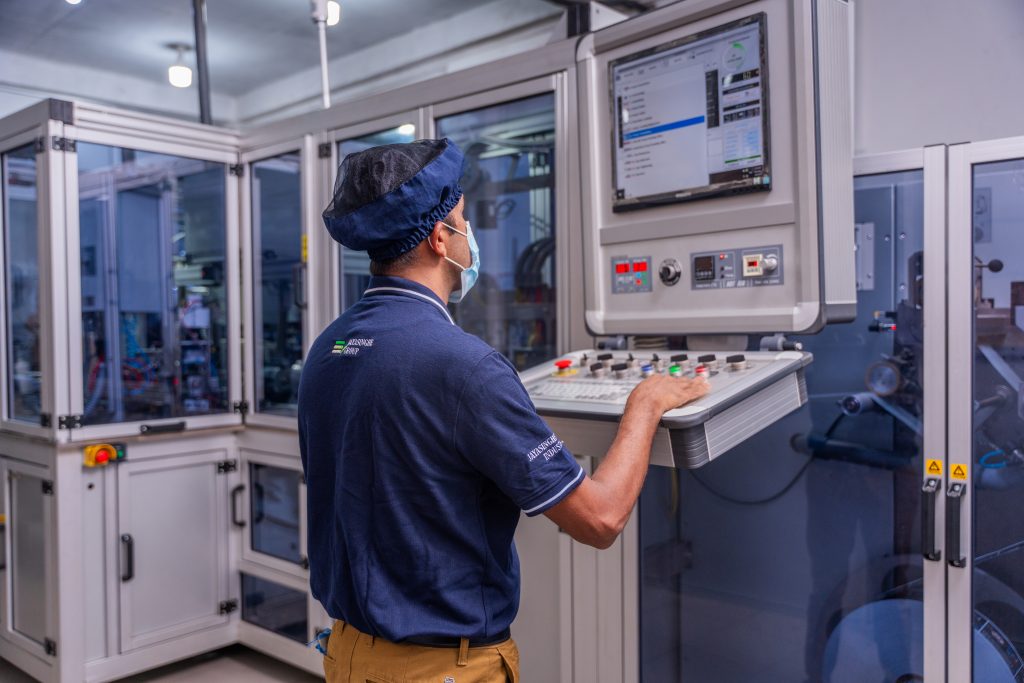
Pharmaceutical packaging carries a different weight than most other packaging categories. A single defect or moisture breach does not just damage a brand’s reputation; it can compromise a medicine’s safety before it reaches a patient. Regulators, auditors, and procurement teams now scrutinize every stage of primary packaging production, from the resin used to the sealing method applied on the line, and this scrutiny extends directly to a pharma client’s choice of manufacturing partner. As one of the plastic manufacturers in Sri Lanka producing packaging for regulated industries, we at JPI see this technical detail define every pharmaceutical-grade tube we produce.
What Raw Materials Are Used in Pharmaceutical-Grade Tube Manufacturing?
Pharmaceutical-grade tubes start with resins selected specifically for direct product contact, not general-purpose plastics repurposed for a sensitive use. Manufacturers typically choose HDPE, LDPE, or laminate structures with barrier layers, each screened for chemical inertness, low extractable content, and compatibility with the formulation inside.
Material selection directly affects patient safety, since a resin that reacts with, absorbs, or leaches into a formulation can alter its potency. Suppliers document resin batches with certificates of analysis, which manufacturers verify against internal specifications before production. This screening also weighs how a resin performs under sterilization, transport, and long-term storage, since a material that looks suitable on paper can still fail under real-world handling.
Why Do Cleanroom Standards and Sealing Matter for Pharmaceutical Packaging?
Cleanroom-controlled production and validated sealing processes protect a formulation from contamination at the points where risk is highest: molding, filling, and closure. Even microscopic particulate contamination can compromise product sterility, so controlled environments and sealed handling are treated as non-negotiable requirements rather than optional upgrades.
Cleanrooms classified under recognized standards control airborne particulate levels, temperature, humidity, and personnel movement through gowning protocols and restricted access. Sealing processes, whether heat sealing, ultrasonic welding, or crimping, undergo validation to confirm they consistently achieve a hermetic seal under production conditions. Teams also monitor seal integrity throughout a run, since a process validated once can still drift out of tolerance without ongoing checks.
How Do Traceability and Quality Control Checks Ensure Pharmaceutical Packaging Safety?
Traceability lets a manufacturer and its pharma client track every tube back to its raw material batch, production run, and quality check, which becomes critical if a deviation or recall investigation occurs. Without this documentation, isolating a defect’s source across thousands of units becomes far slower.
Quality checks typically include dimensional inspection, seal integrity testing, visual defect inspection, and periodic extractables testing at defined intervals across a run, not only at the start and end. Documentation captures which operator, machine, and material lot produced each batch, creating an audit trail regulators and pharma clients can review directly. Frameworks such as ISO 15378, which applies Good Manufacturing Practice principles to primary pharmaceutical packaging materials, formalize these requirements into a certifiable system. We cover how certification frameworks shape production discipline more broadly in our article on why modern plastic packaging must be ISO certified.
Why Is Moisture and Light Resistance Critical for Pharmaceutical-Grade Tubes?
Many pharmaceutical formulations degrade when exposed to moisture or light, so packaging must actively block these elements rather than simply contain the product. A tube with inadequate barrier properties can shorten a medicine’s shelf life or reduce its effectiveness before its labeled expiry date.
Barrier performance depends on resin selection, wall thickness, and, where needed, a multilayer laminate that adds a moisture or UV-blocking layer without compromising dispensing performance. FDA guidance on container closure systems notes that materials of construction directly affect a product’s protection from moisture and light, underscoring why these properties are tested rather than assumed. Manufacturers test barrier performance under accelerated aging to confirm a tube protects its contents for the full intended shelf life.
How Does JPI Ensure Reliable Pharmaceutical-Grade Tube Manufacturing for Global Buyers?
At JPI, we structure pharmaceutical-grade tube production around the principles that define the category: controlled sourcing, validated sealing, documented traceability, and tested barrier performance. Our quality management system operates under ISO 9001:2015, giving pharma clients a certified, auditable framework behind every production run.
We continue to invest in production controls and testing capability that keep pace with the documentation and consistency regulated buyers expect, since pharmaceutical packaging leaves little room for variability between batches. Sri Lanka’s packaging sector has grown steadily more capable of meeting these demands, and buyers evaluating plastic manufacturers in Sri Lanka for pharmaceutical packaging increasingly weigh manufacturing agility, documented quality control, supply reliability, and transparency alongside price. For pharma procurement teams, a partner that treats these as standard practice, not a special request, reduces both compliance risk and the burden of managing an overseas supplier relationship.
Partner with us at JPI to access pharmaceutical-grade tube manufacturing built on validated processes, documented quality control, and consistent supply reliability.
Frequently Asked Questions
What raw materials are typically used for pharmaceutical-grade tubes?
Manufacturers commonly use HDPE, LDPE, or multilayer laminate structures selected for chemical inertness and low extractable content. Suppliers provide certificates of analysis for each resin batch, and manufacturers verify these against internal specifications before production, since material choice directly affects product safety and stability.
Why do cleanroom standards matter for pharmaceutical tube production?
Cleanroom environments control airborne particulates, temperature, and personnel movement to prevent contamination during molding, filling, and sealing. Even microscopic contamination can compromise product sterility, so controlled environments and validated handling procedures are treated as essential requirements throughout production, not optional precautions.
How does traceability support pharmaceutical packaging quality?
Traceability links every tube to its raw material batch, production run, and quality checks, enabling fast, precise investigation if a deviation or recall occurs. Detailed documentation of operators, machines, and material lots creates an audit trail that regulators and pharma clients can review directly.
What quality control checks apply to pharmaceutical-grade tubes?
Checks typically include dimensional inspection, seal integrity testing, visual defect inspection, and periodic extractables testing performed throughout a production run. Consistent monitoring, rather than only start-and-end sampling, helps catch process drift before it affects finished packaging reaching pharmaceutical clients.
Why is moisture and light resistance important for pharmaceutical packaging?
Many formulations degrade when exposed to moisture or light, which can shorten shelf life or reduce effectiveness. Packaging must actively block these elements through resin selection, wall thickness, and barrier layers, tested under accelerated aging to confirm protection across the product’s full shelf life.
What certifications support pharmaceutical-grade packaging manufacturing?
Standards such as ISO 9001:2015 and ISO 15378 apply quality management and Good Manufacturing Practice principles to packaging production. These frameworks formalize documentation, traceability, and process control requirements, giving pharma clients an auditable basis for evaluating a manufacturing partner’s reliability.
How does JPI approach pharmaceutical-grade tube manufacturing?
At JPI, we combine controlled material sourcing, validated sealing processes, and documented quality checks under an ISO 9001:2015 quality management system. This structure gives pharma clients consistent, auditable production rather than case-by-case assurances on each order.
Why should pharma buyers evaluate plastic manufacturers in Sri Lanka for tube packaging?
Sri Lanka’s packaging sector has expanded its regulated-industry capabilities, offering documented quality control, manufacturing agility, and supply reliability. For pharma procurement teams, a manufacturer that treats these standards as routine practice reduces compliance risk and simplifies managing an overseas packaging partnership.