Quality control alone no longer satisfies what B2B buyers and export partners expect from a packaging supplier. Audits now probe further, into labor practices, environmental accountability, and how honestly a factory represents its own operations. A supplier that passes a product spec check but fails a broader integrity review still represents unacceptable risk to a brand’s reputation and supply chain. As one of the plastic manufacturers in Sri Lanka supplying regulated and export-focused industries, we at JPI treat ethical manufacturing as a foundation for the business relationship, not an add-on to it.
What Does Responsible Manufacturing Mean for a Plastic Packaging Supplier?
Responsible manufacturing means a supplier’s operations hold up to scrutiny well beyond the finished product: how materials are sourced, how workers are treated, and how honestly production practices are represented to clients. A packaging partner that only optimizes for defect rates and delivery dates, while ignoring these broader factors, is managing risk incompletely.
For plastic packaging specifically, this includes responsible material sourcing, waste and emissions management on the production floor, and fair labor conditions across every shift. At JPI, we treat these standards as baseline operating requirements, since a buyer relying on us for consistent, compliant supply needs assurance that our practices hold up under their own audits, not just ours.
What Certifications Reflect JPI’s Commitment to Ethical Manufacturing?
Certifications convert ethical claims into independently verifiable evidence. JPI operates under ISO 9001:2015 for quality management, alongside ISO 22000 and FSSC 22000 for food safety and hygiene, giving buyers documented proof of process discipline rather than a supplier’s own assurances.
These frameworks connect to the wider concept of social responsibility outlined in ISO 26000, which guides organizations on ethical conduct, labor practices, and stakeholder accountability, even though it is a guidance standard rather than a certifiable one. We extend this thinking into how we document material sourcing and production data, an approach we cover in more detail in our article on sustainable packaging and export traceability.
How Do People, Process, and Transparency Work Together in Ethical Manufacturing?
Ethical manufacturing depends on three elements reinforcing each other: trained people who understand why standards matter, documented processes that remove guesswork, and transparency that lets outside parties verify both. Remove any one element, and the other two lose most of their value.
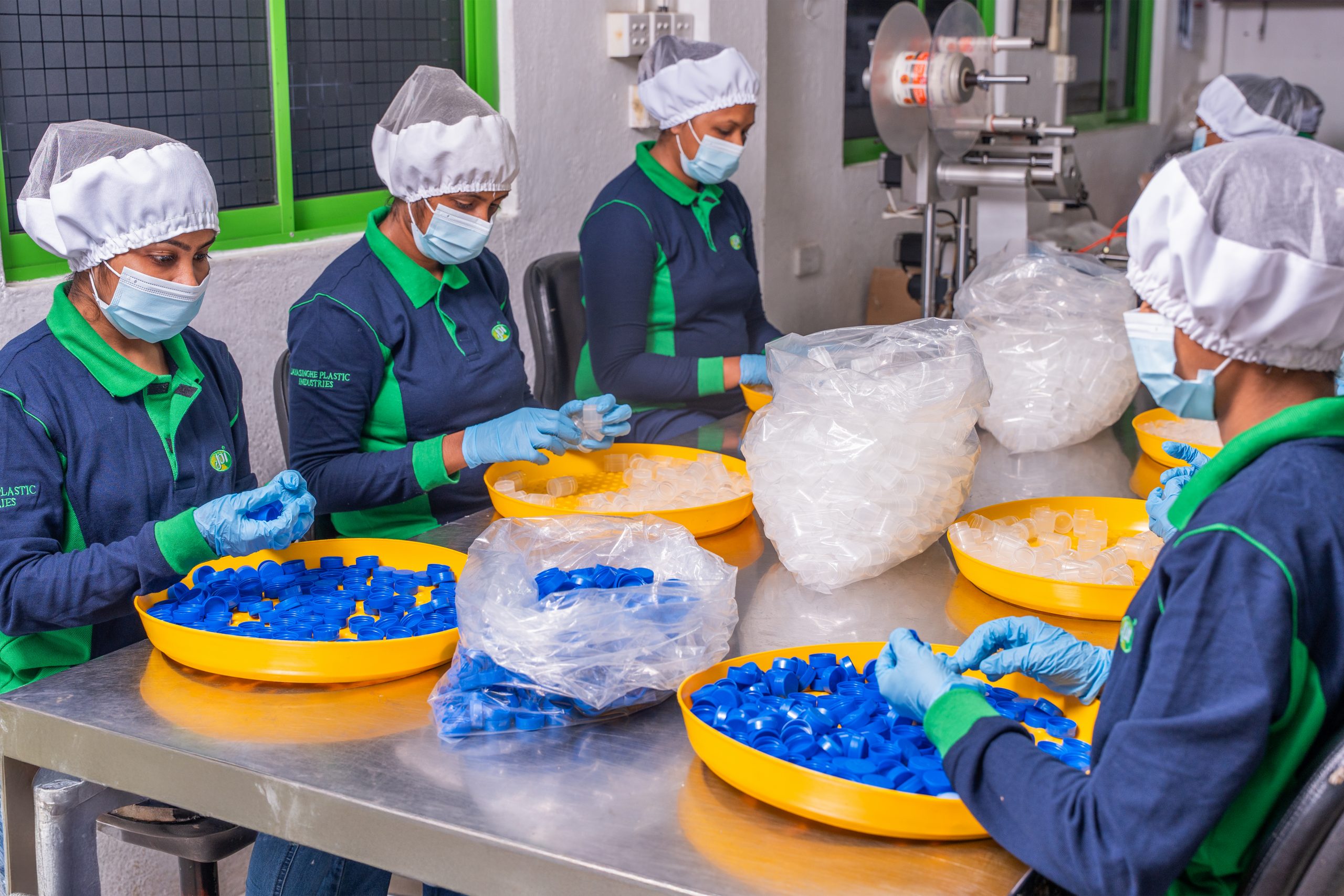
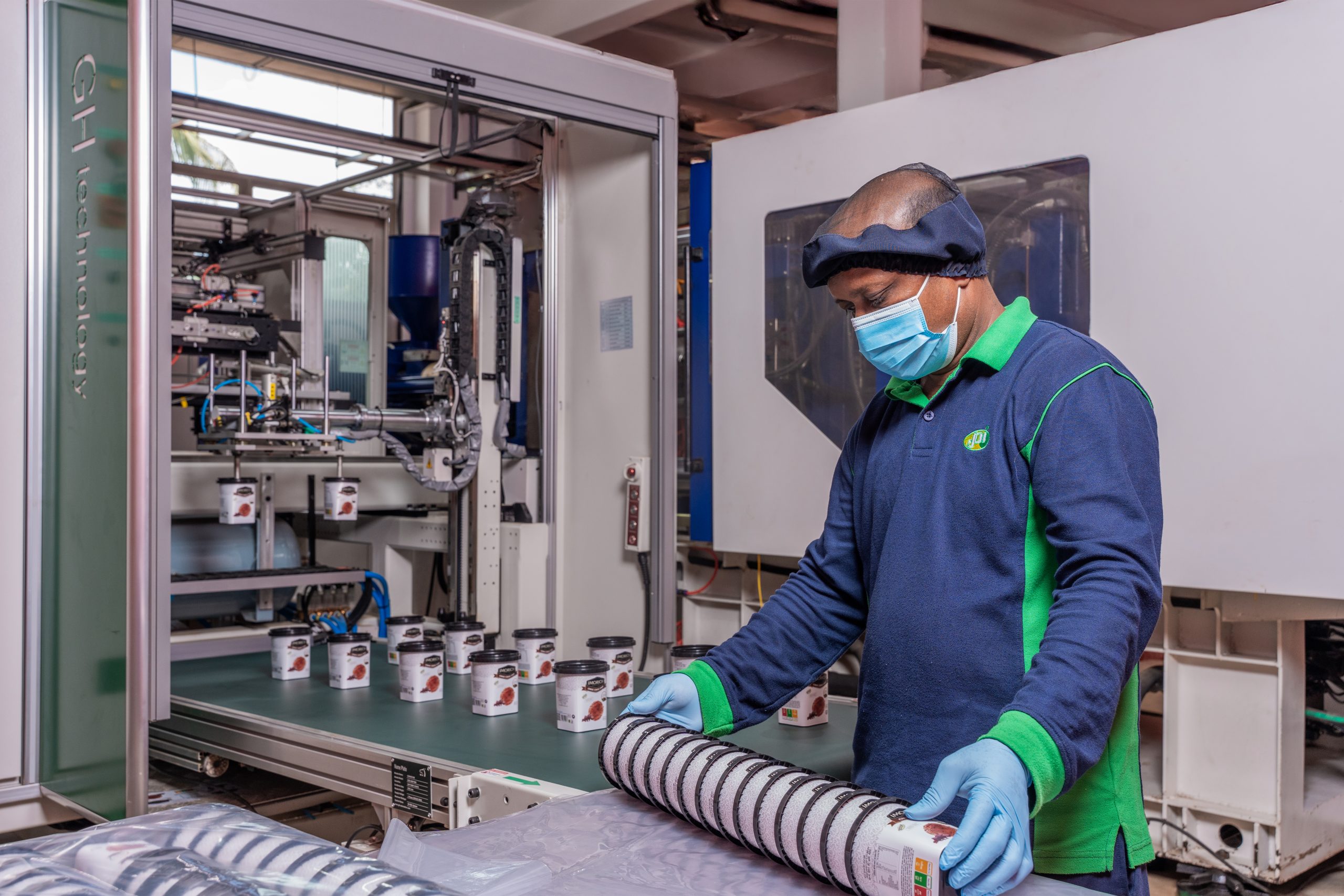
At JPI, we invest in ongoing staff training so that compliance is a practiced habit on the production floor, not a document that exists only for audit day. Standardized processes reduce variability between shifts and operators, while transparent reporting, from material certificates to production records, gives clients direct visibility into how their packaging is actually made. This combination is what allows a buyer to trust a supplier’s claims without needing to independently verify every batch themselves.
How Does Compliance Build Stronger, Long Term Packaging Partnerships?
Compliance and trust compound over time: a supplier who is consistently transparent and audit-ready becomes easier to work with on every subsequent order, while one who cuts corners eventually costs a buyer far more than any price advantage was worth. This is why leading procurement teams increasingly treat ethical manufacturing as a partnership criterion, not just a compliance checkbox.
Global frameworks such as the UN Global Compact’s Ten Principles reflect this same shift, tying responsible business conduct across human rights, labor, environment, and anti-corruption directly to long-term business viability. For plastic manufacturers in Sri Lanka competing for international partnerships, demonstrating this standard of integrity is what separates a transactional supplier from a long-term manufacturing partner. We build our client relationships on exactly this foundation, treating trust as something earned through consistent, verifiable practice rather than claimed through marketing.
Partner with us at JPI to work with a manufacturer whose ethical standards, certifications, and transparency you can verify at every stage of the relationship.
Frequently Asked Questions
What does responsible manufacturing mean in plastic packaging production?
Responsible manufacturing covers material sourcing, worker treatment, waste management, and honest representation of production practices, not just finished product quality. Suppliers who manage only defect rates and delivery timelines, while ignoring these broader factors, leave buyers exposed to reputational and supply chain risk.
Which certifications support JPI’s ethical manufacturing claims?
JPI operates under ISO 9001:2015 for quality management, along with ISO 22000 and FSSC 22000 for food safety and hygiene. These independently audited certifications convert ethical and quality claims into verifiable evidence rather than self-reported assurances.
How does transparency support ethical manufacturing practices?
Transparency means giving clients direct visibility into material certificates, production records, and process documentation rather than asking them to take claims on faith. Combined with trained staff and standardized processes, transparency lets buyers verify supplier practices without auditing every single batch themselves.
Why do people and process both matter for ethical manufacturing?
Trained staff who understand why standards matter, paired with documented processes that reduce variability, together make compliance a consistent practice rather than an occasional audit exercise. Removing either element weakens the reliability of the other across daily production.
How does ethical manufacturing affect long term packaging partnerships?
Consistent, transparent, audit-ready practices build buyer trust over time, making a supplier easier to work with on every subsequent order. Cutting corners on ethics or compliance eventually costs a buyer more in risk and disruption than any short-term price advantage delivers.
What role do global frameworks play in ethical manufacturing standards?
Frameworks such as ISO 26000 and the UN Global Compact’s Ten Principles guide organizations on labor, environmental, and anti-corruption practices. While not always certifiable, they shape how responsible manufacturers structure policies and demonstrate accountability to buyers and stakeholders.
Why do B2B buyers increasingly evaluate suppliers on ethics, not just quality?
Audits now extend beyond product specifications into labor conditions, environmental impact, and operational honesty. A supplier that passes quality checks but fails a broader integrity review still represents unacceptable risk to a brand’s reputation and long-term supply chain stability.
How does JPI demonstrate ethical manufacturing to global buyers?
JPI combines certified quality management systems, ongoing staff training, standardized production processes, and transparent documentation of materials and output. This lets plastic manufacturers in Sri Lanka like JPI show buyers verifiable evidence of ethical practice rather than asking them to rely on claims alone.