B2B buyers and export partners rarely see the production floor behind a packaging quote. They see a price, a lead time, and a set of specifications, and they have to decide whether the supplier behind those numbers can actually deliver at scale, batch after batch. That gap between a quote and a working factory floor is where most sourcing risk lives. Buyers evaluating plastic manufacturers in Sri Lanka increasingly ask to see past the sales pitch: what molding technology runs the line, which certifications back the quality claims, and how consistently the factory performs under real order volumes. At JPI, we built this article to answer those questions directly, with a look inside how we actually manufacture.
What Blow Molding and Injection Molding Capabilities Does JPI Offer?
Our production floor runs both blow molding and injection molding lines, which lets us match the right process to each product rather than forcing every design into a single method. Blow molding shapes hollow items such as bottles and containers by inflating heated plastic inside a mold, while injection molding forces molten plastic into a mold under pressure to produce solid or more structurally complex components like caps, closures, and trays.
Running both processes in-house means we can support a wider product range without outsourcing partial production, which keeps quality control and lead times within our direct oversight. It also gives clients flexibility during development, since a design team can explore either process depending on wall thickness, strength requirements, or finish quality, without needing a second supplier relationship for a different molding method.
What Certifications Does JPI Hold, and Why Do They Matter to Buyers?
Certifications give buyers independent proof that a factory’s quality claims hold up under audit, not just in a sales conversation. JPI operates under ISO 9001:2015 for quality management, alongside sector-specific certifications such as ISO 22000 and FSSC 22000, which extend into food-safe and hygiene-sensitive production.
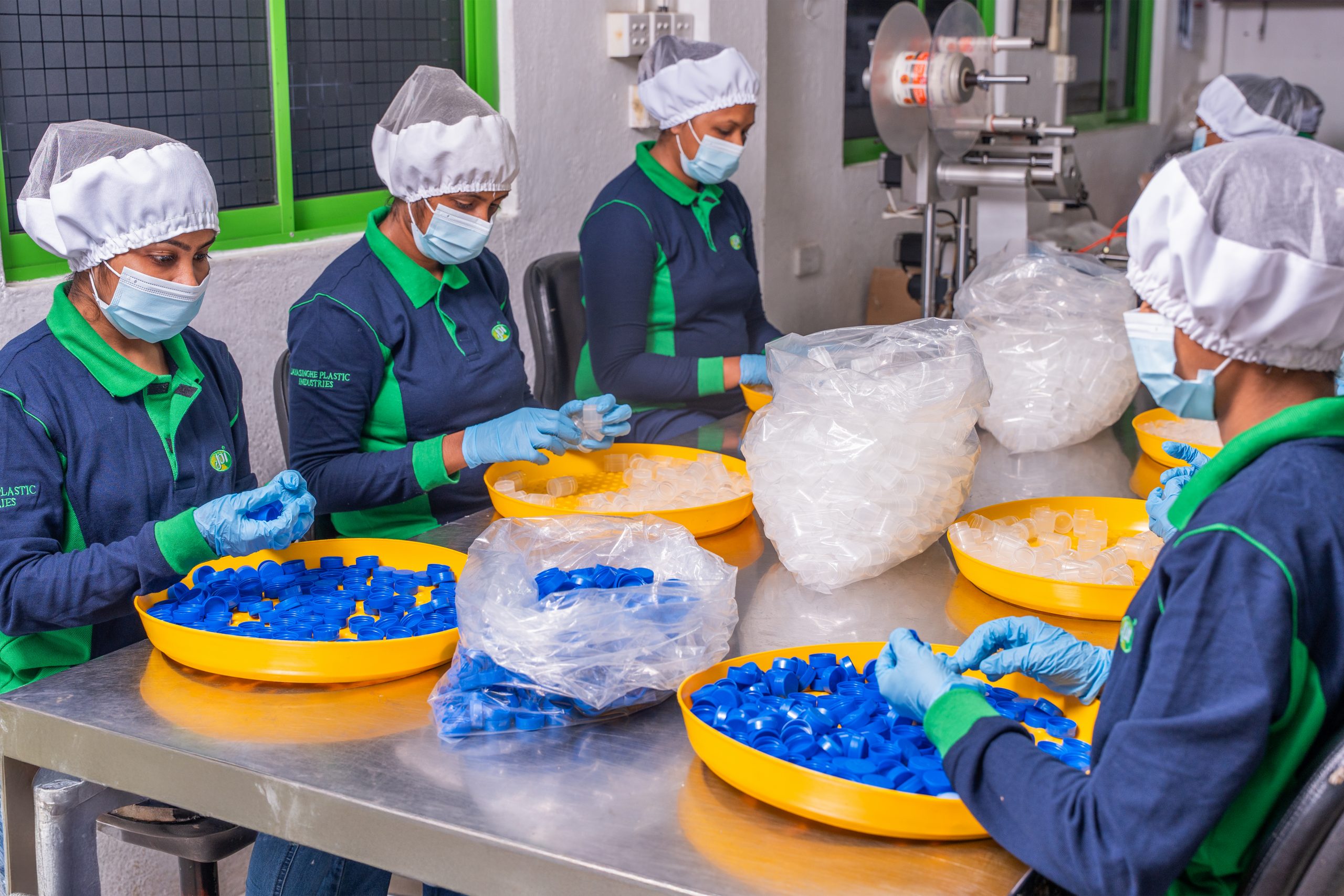
ISO 9001 sets internationally recognized requirements for consistent process control, documentation, and continuous improvement, and third-party audits confirm a factory actually follows these requirements rather than simply claiming to. GMP-aligned practices add a further layer, covering hygiene, traceability, and process discipline that matter most for regulated or sensitive product categories. For procurement teams, these certifications reduce the guesswork in supplier evaluation by replacing marketing claims with audited evidence.
How Does In-House Mold Making Strengthen Quality Assurance?
Producing molds in-house rather than outsourcing them gives our engineering team direct control over tolerances, design changes, and turnaround time from the earliest stage of a project. This control carries through into ongoing quality assurance, since mold wear, adjustments, and repairs can happen quickly without waiting on an external toolmaker.
In-house mold making also shortens the feedback loop between design and production. If a prototype reveals a structural issue, our team can revise the mold directly rather than routing changes through a third party, which reduces both development time and the risk of miscommunication between designer and toolmaker. Dedicated QA checks then verify each mold against specification before it enters full production, catching deviations before they multiply across thousands of units.
How Does JPI Balance Scale, Agility, and Innovation in Production?
Buyers often assume scale and agility work against each other, but production planning and equipment flexibility let us run high-volume orders alongside smaller, faster-turnaround projects. This balance matters most for growing brands and export partners who need reliable large-scale output without losing the responsiveness a newer or smaller customer requires.
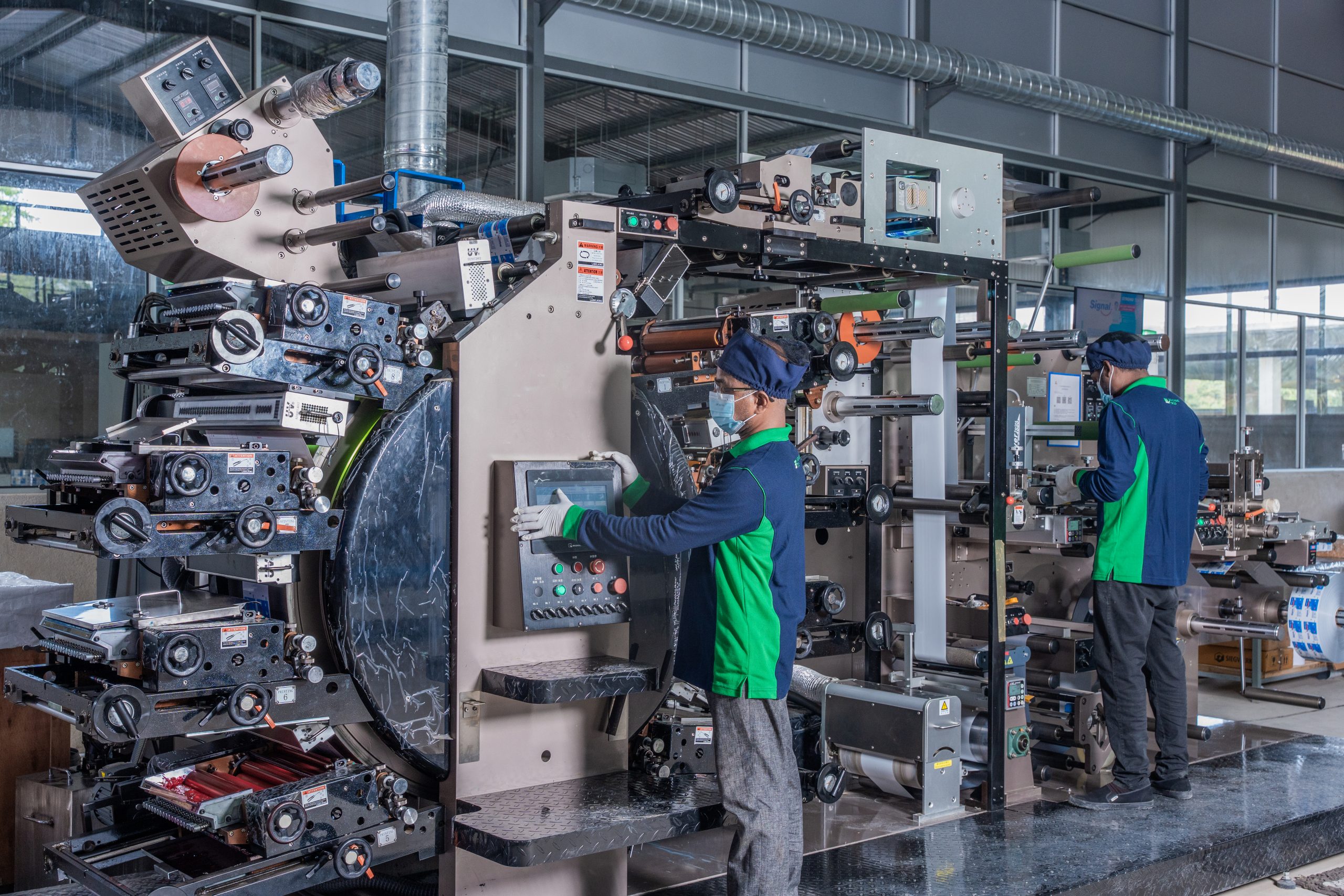
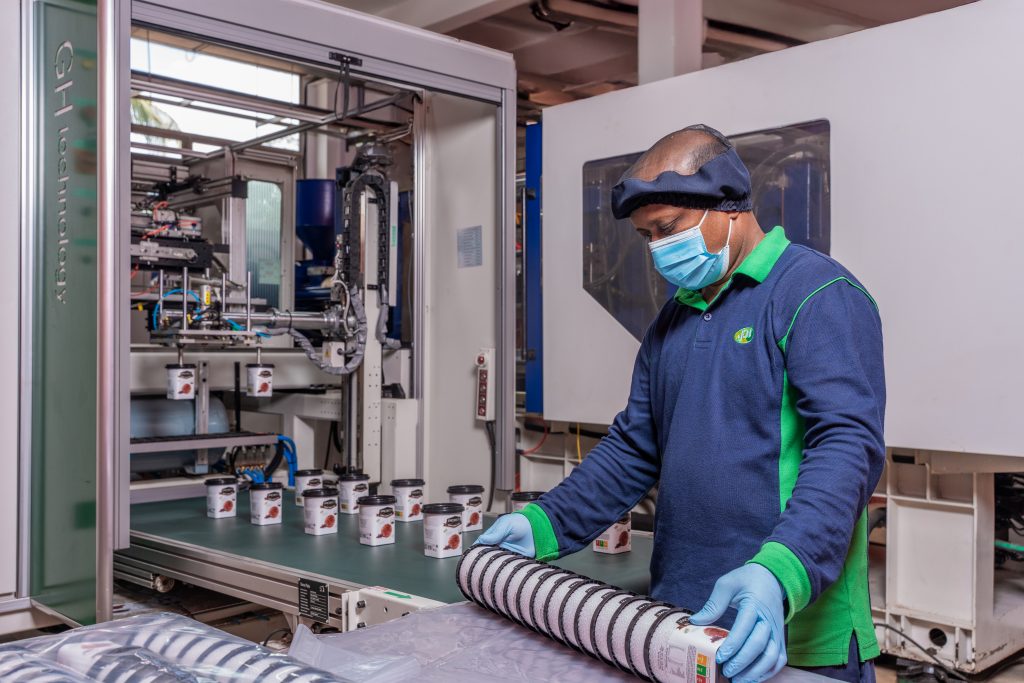
We continuously evaluate new molding techniques, finishing options, and material innovations, since standing still on process capability eventually shows up as a competitive disadvantage. Investments such as advanced in-mold labelling and printing technology extend what we can offer without compromising the consistency clients depend on for repeat orders.
What Makes JPI’s Manufacturing Approach Different for Global Buyers?
Taken together, in-house blow and injection molding, audited certifications, in-house mold making, and a deliberate balance of scale and agility are what separate a reliable manufacturing partner from a supplier that only looks reliable on paper. Buyers researching plastic manufacturers in Sri Lanka increasingly weigh these operational details as heavily as price, since they directly determine whether a supplier can hold quality and delivery consistent across a growing relationship. We designed our processes to support global supply requirements from the first order onward, not just once a client has proven their volume.
Partner with us at JPI to work with a manufacturing partner whose capabilities, certifications, and quality systems you can verify, not just take on faith.
Frequently Asked Questions
What molding capabilities does JPI have in-house?
JPI runs both blow molding and injection molding lines in-house, covering hollow items like bottles alongside solid or structurally complex components such as caps and closures. Running both processes internally keeps quality control and lead times within direct oversight, without outsourcing partial production.
Which certifications does JPI hold?
JPI operates under ISO 9001:2015 for quality management, along with sector-specific certifications including ISO 22000 and FSSC 22000 for food-safe and hygiene-sensitive production. These certifications are independently audited, giving buyers verified evidence of consistent process control.
Why does in-house mold making matter for quality assurance?
In-house mold making gives our engineering team direct control over tolerances, design revisions, and repairs from the earliest project stage. This shortens the feedback loop between design and production, reducing development time and catching deviations before they affect full production runs.
How does JPI handle both large and small production orders?
Production planning and equipment flexibility let JPI run high-volume orders alongside smaller, faster-turnaround projects. This balance supports growing brands and export partners who need reliable scale without losing the responsiveness that newer or smaller customers require.
What role does innovation play in JPI’s manufacturing process?
JPI continuously evaluates new molding techniques, finishing options, and material innovations, including advanced in-mold labelling and printing technology. These ongoing investments expand what we can offer clients while maintaining the batch-to-batch consistency they depend on for repeat orders and growing product lines.
How do JPI’s certifications benefit procurement teams?
Certifications replace marketing claims with audited evidence, reducing guesswork during supplier evaluation. ISO 9001 and sector-specific certifications confirm that documented quality processes are actually followed on the production floor, not just described in sales materials.
Why is in-house molding technology important for export partners?
In-house blow and injection molding lets JPI support a wider product range without outsourcing to third parties, keeping quality control and lead times consistent. Export partners benefit from this consistency across large orders spanning multiple product types and specifications.
What should B2B buyers look for when evaluating plastic manufacturers in Sri Lanka?
Buyers should look beyond price to verify in-house molding capability, audited certifications, mold-making control, and evidence of consistent quality across order volumes. These operational details indicate whether a supplier can maintain reliability as a business relationship grows.