In today’s global supply chain, packaging is no longer just a container — it’s a signal of trust. For procurement teams, exporters, and B2B buyers sourcing packaging materials, one question increasingly decides which supplier wins the contract: is this manufacturer ISO certified?
As quality expectations rise and international buyers demand accountability at every stage of production, ISO certification has shifted from being a “nice-to-have” to a baseline requirement. This article breaks down what ISO certification actually means for plastic packaging, why it matters so much to global buyers, and why it should be at the top of your supplier evaluation checklist.
What Is ISO Certification, Exactly?
ISO (International Organization for Standardization) certification is an independent, third-party verification that a company’s manufacturing processes, quality management systems, and — increasingly — environmental practices meet globally recognized benchmarks.
For plastic packaging manufacturers, the most relevant certifications typically include:
- ISO 9001 – Quality Management Systems, ensuring consistent product quality and process control
- ISO 14001 – Environmental Management Systems, verifying responsible resource use and waste management
- ISO 22000 / ISO 15378 – Relevant for packaging used in food or pharmaceutical applications, ensuring safety and hygiene standards
These aren’t just certificates hanging on an office wall. They represent audited, repeatable systems that reduce variability, defects, and risk — the exact things a buyer worries about when sourcing packaging from an unfamiliar overseas supplier.
How ISO Certification Directly Affects Packaging Quality?
Quality in plastic packaging isn’t just about how a product looks. It’s about consistency, durability, and compliance — batch after batch, shipment after shipment.
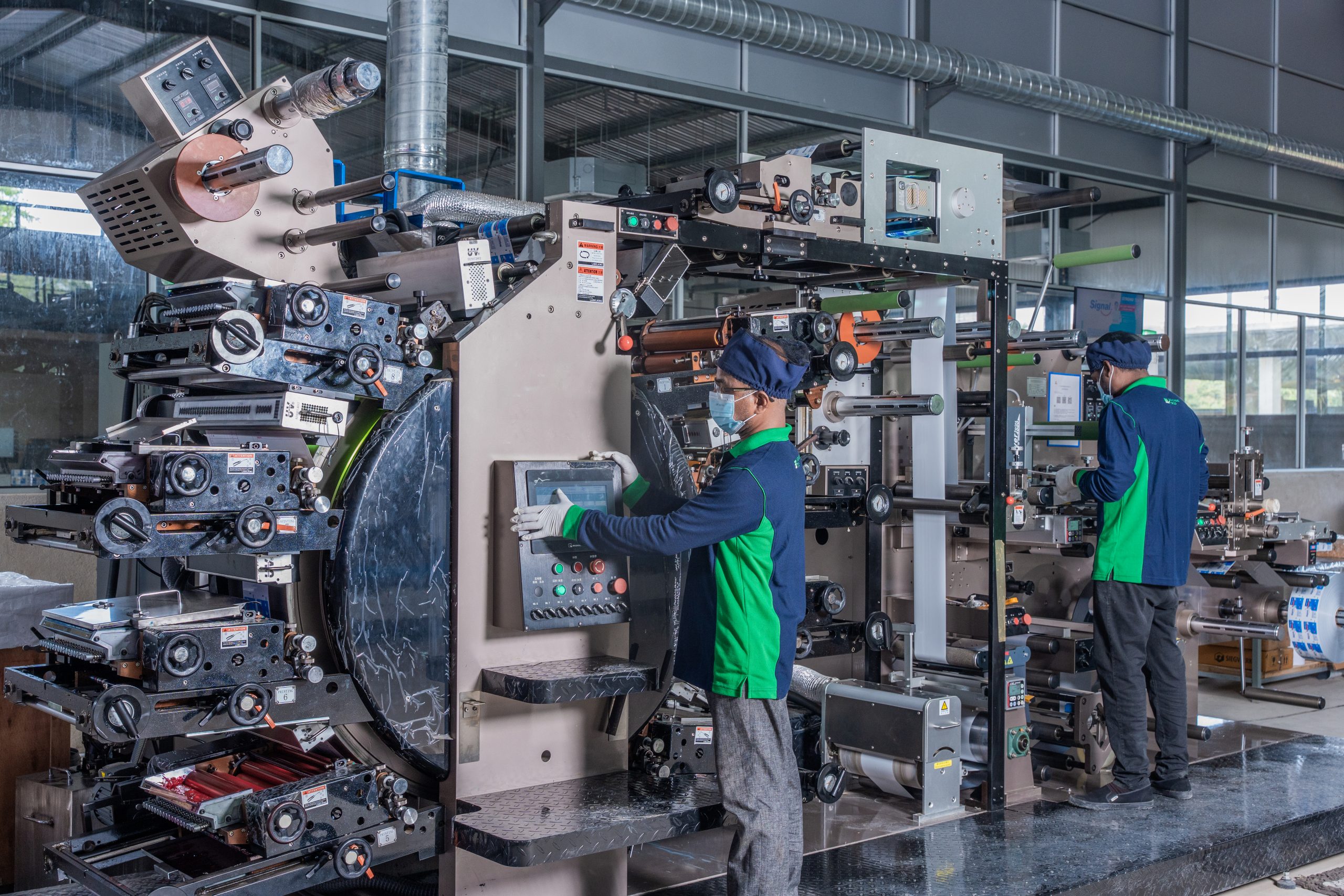
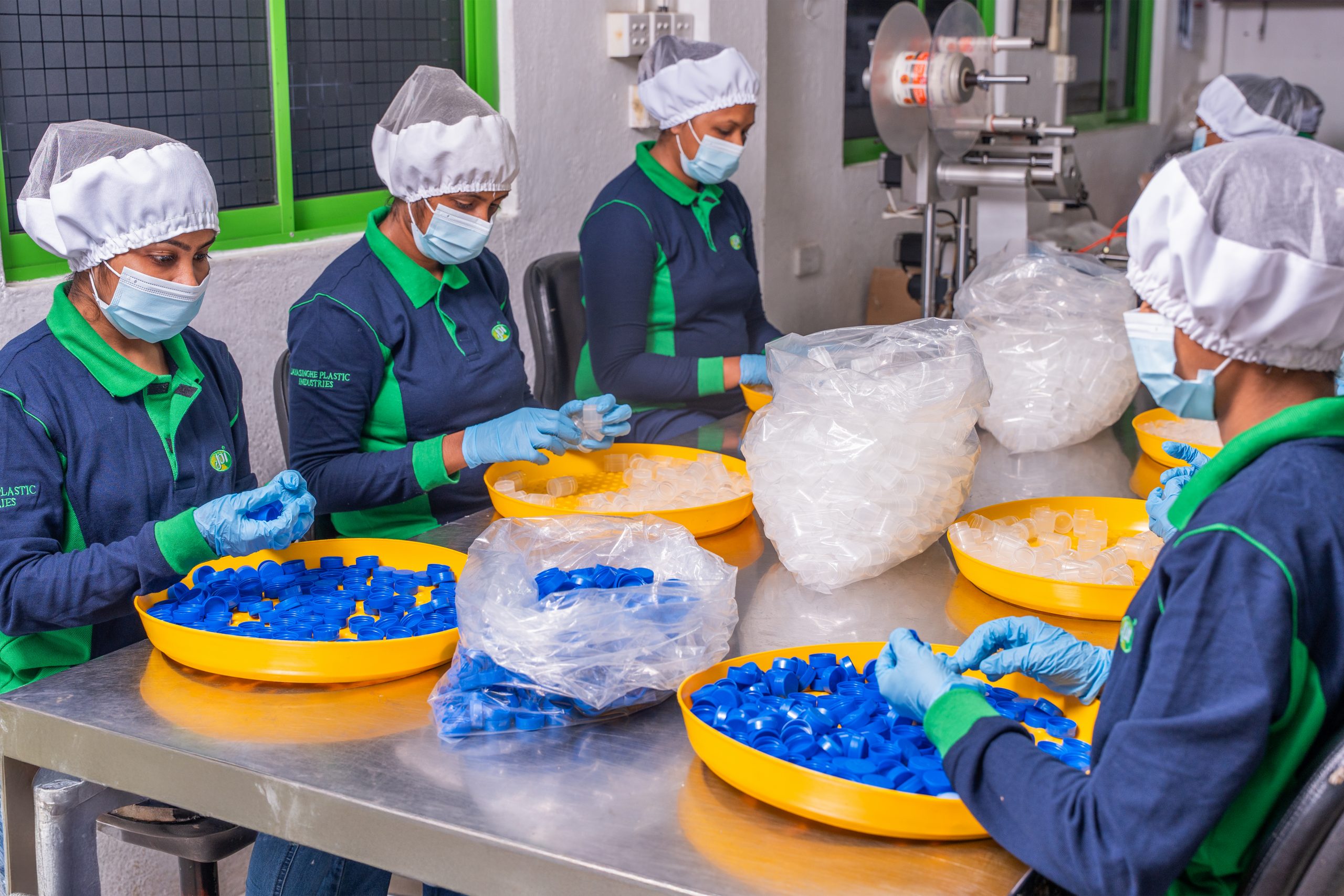
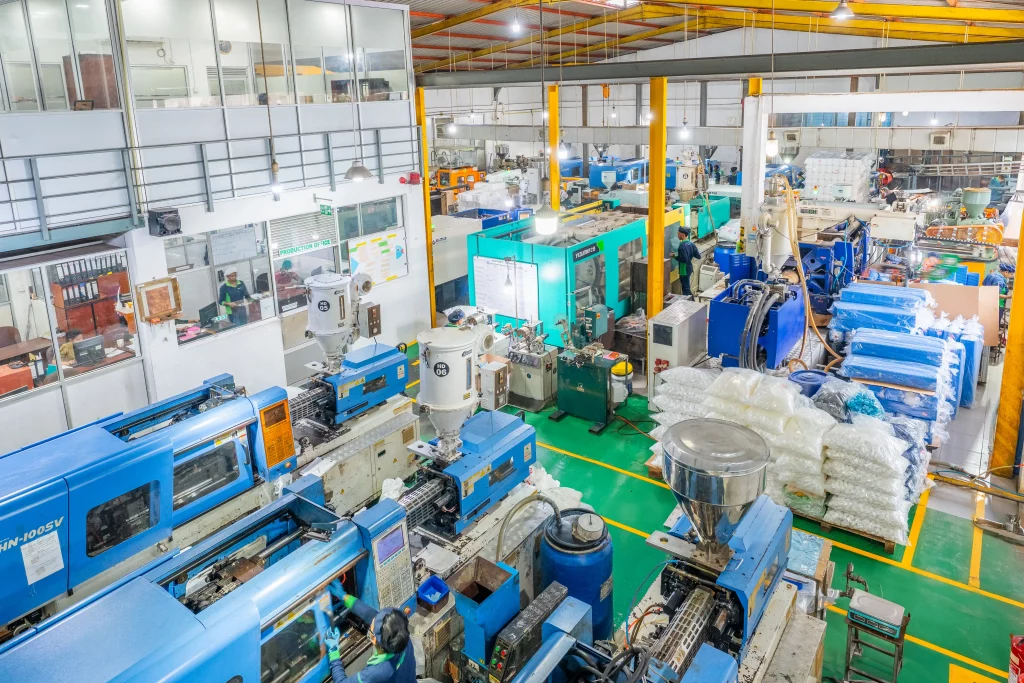
ISO-certified manufacturers operate under documented quality control checkpoints at every production stage: raw material sourcing, molding or extrusion, printing, quality inspection, and final packaging. This structured approach means:
- Fewer defective units reaching your warehouse
- Consistent dimensions, seals, and material thickness across large orders
- Traceability if an issue does arise, since every batch is documented
- Reduced risk of compliance failures when packaging crosses international borders
For buyers, this translates into fewer returns, fewer disputes, and a supplier relationship built on predictable outcomes rather than guesswork.
Why Global Buyers Prioritise ISO-Certified Suppliers?
International buyers — especially those importing into regulated markets like the EU, US, UK, and Australia — face their own compliance obligations. When they select a packaging supplier, they’re not just buying a product; they’re inheriting a piece of that supplier’s risk profile.
This is why procurement teams increasingly filter out non-certified vendors early in the sourcing process. ISO certification tells a buyer, before a single sample is even reviewed, that:
- The manufacturer has a proven, auditable system rather than informal or inconsistent processes
- Quality issues are less likely to disrupt supply chains or delay shipments
- The supplier can withstand scrutiny from the buyer’s own customers, auditors, or regulators
- Sustainability commitments are backed by structure, not just marketing claims
In short, ISO certification de-risks the sourcing decision. For exporters competing in international markets, it’s often the deciding factor between being shortlisted or overlooked entirely.
The Sustainability Connection
Plastic packaging sits under constant scrutiny for its environmental footprint. Buyers today aren’t just asking “is this packaging good quality?” — they’re asking “was this made responsibly?” Industry research from the Sustainable Packaging Coalition’s annual trends report points to growing regional harmonisation of sustainability and recyclability definitions, which is pushing packaging buyers to lean more heavily on independently verified credentials rather than self-reported claims.
This is where certifications like ISO 14001 become a competitive differentiator. Manufacturers who hold environmental management certification typically demonstrate:
- Controlled and reduced waste output during production
- Responsible energy and resource consumption
- Structured processes for recycling or reducing plastic material usage
- Alignment with the growing global demand for sustainable packaging
For companies sourcing from sustainable packaging Sri Lanka suppliers, ISO 14001 certification offers verifiable proof — not just a claim — that environmental responsibility is built into the manufacturing process itself.
What This Means for Procurement Teams and Exporters?
If you’re a procurement manager or exporter evaluating packaging suppliers, ISO certification should function as a practical filter, not just a checkbox. Here’s why it matters at each stage of your sourcing decision:
- Vendor shortlisting — Certification narrows your list to manufacturers with proven, auditable systems
- Risk management — Reduces the likelihood of quality-related shipment delays or rejected batches
- Contract negotiation — Certified suppliers are generally easier to hold accountable through documented standards
- Long-term partnership — Signals a manufacturer investing in continuous improvement, not short-term cost-cutting
Working with ISO certified plastic manufacturers also simplifies your own compliance reporting, particularly if your business supplies regulated industries such as food, pharmaceuticals, or cosmetics.
Choosing the Right Certified Packaging Partner
Not all certifications carry equal weight, and not all “certified” claims are verified. When evaluating a plastic packaging manufacturer, buyers should:
- Request current certificates and confirm validity with the issuing body
- Ask which specific ISO standards apply to their production line
- Review audit history or recent inspection reports where possible
- Assess whether certification extends across the full supply chain, not just head office operations
A manufacturer that can answer these questions clearly and provide documentation without hesitation is signaling exactly the kind of transparency global buyers are looking for.
ISO certification has become one of the clearest, most reliable signals of trust in the plastic packaging industry. It tells procurement teams, exporters, and B2B buyers that a manufacturer takes quality, consistency, and sustainability seriously enough to prove it through independent audit — not just marketing language.
As global sourcing standards continue to tighten, partnering with certified manufacturers isn’t just about compliance. It’s about building a supply chain you can actually depend on.
Looking for a reliable, ISO-certified plastic packaging partner? Choosing a manufacturer with verified quality and environmental credentials is the first step toward a stronger, more sustainable supply chain.