Preparing for export growth requires more than product readiness. Packaging plays a critical role in ensuring that products meet international standards, maintain consistency and reach global markets without disruption. For FMCG, cosmetic, and personal care brands, packaging is directly linked to compliance, brand perception and operational reliability.
Many businesses encounter challenges when scaling for export. Inconsistent packaging quality, failure to meet regulatory requirements and supply instability can affect both market entry and long term growth. These risks are further amplified when companies rely on imported packaging, especially in the context of fluctuating exchange rates.
At JPI, we understand that packaging must function as a stable and scalable component of the supply chain. With more local and up and coming companies preparing to enter export markets, selecting the right partner has become a strategic priority.
Ability to Meet International Compliance Standards
One of the first considerations when evaluating plastic packaging companies is their ability to meet international regulatory requirements. Export markets often require strict compliance with material safety, labeling standards and quality certifications.
For industries such as cosmetics and FMCG, packaging must meet both functional and regulatory expectations. This includes the use of approved materials, consistent production processes, and adherence to global safety standards.
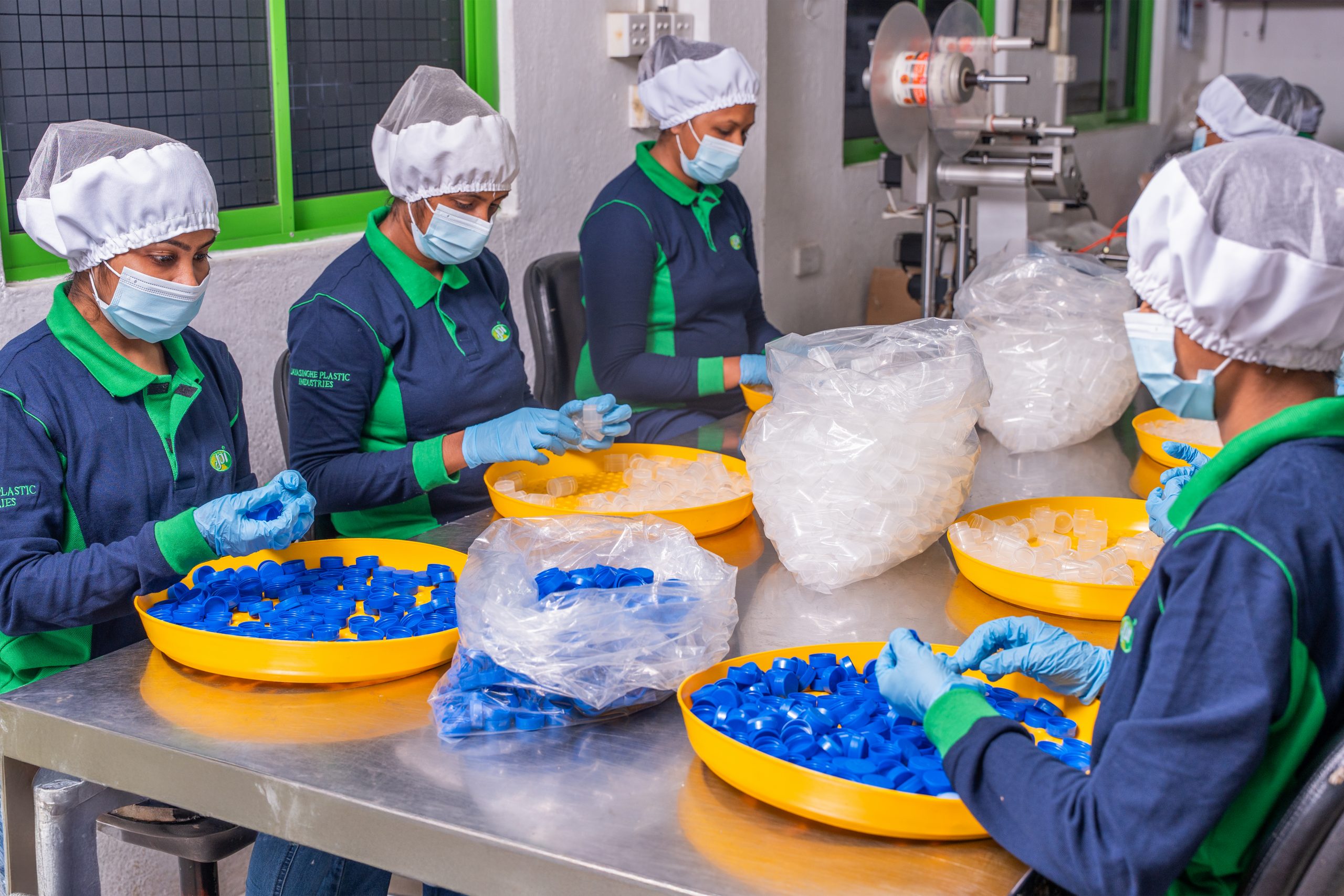
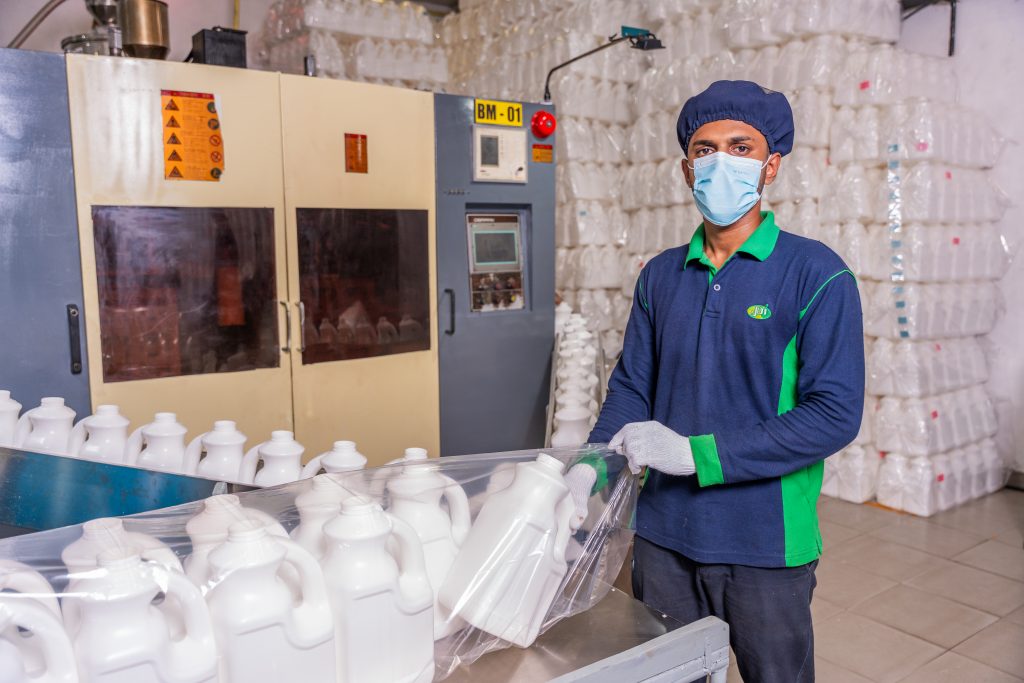
A capable partner will have established quality assurance systems and controlled manufacturing environments to ensure compliance. This reduces the risk of product rejection and supports smooth entry into international markets.
Structured Documentation and Traceability Systems
Export readiness depends heavily on documentation and traceability. Without proper systems in place, businesses may struggle to meet audit requirements or respond to quality concerns.
Batch tracking, production records and standardized documentation processes are essential for maintaining transparency. These systems allow companies to trace packaging back to its source, ensuring accountability at every stage.
Controlled manufacturing environments further support this process by maintaining consistency across production runs. For brands preparing for export, this level of traceability is not optional. It is a requirement for building trust with international partners.
Consistent Packaging Quality at Export Volumes
Maintaining consistent quality at higher production volumes is a key challenge for growing brands. Variations in print, labeling, or material quality can affect product presentation and brand credibility.
This is particularly important for cosmetic packaging solutions, where visual consistency and precision are essential.
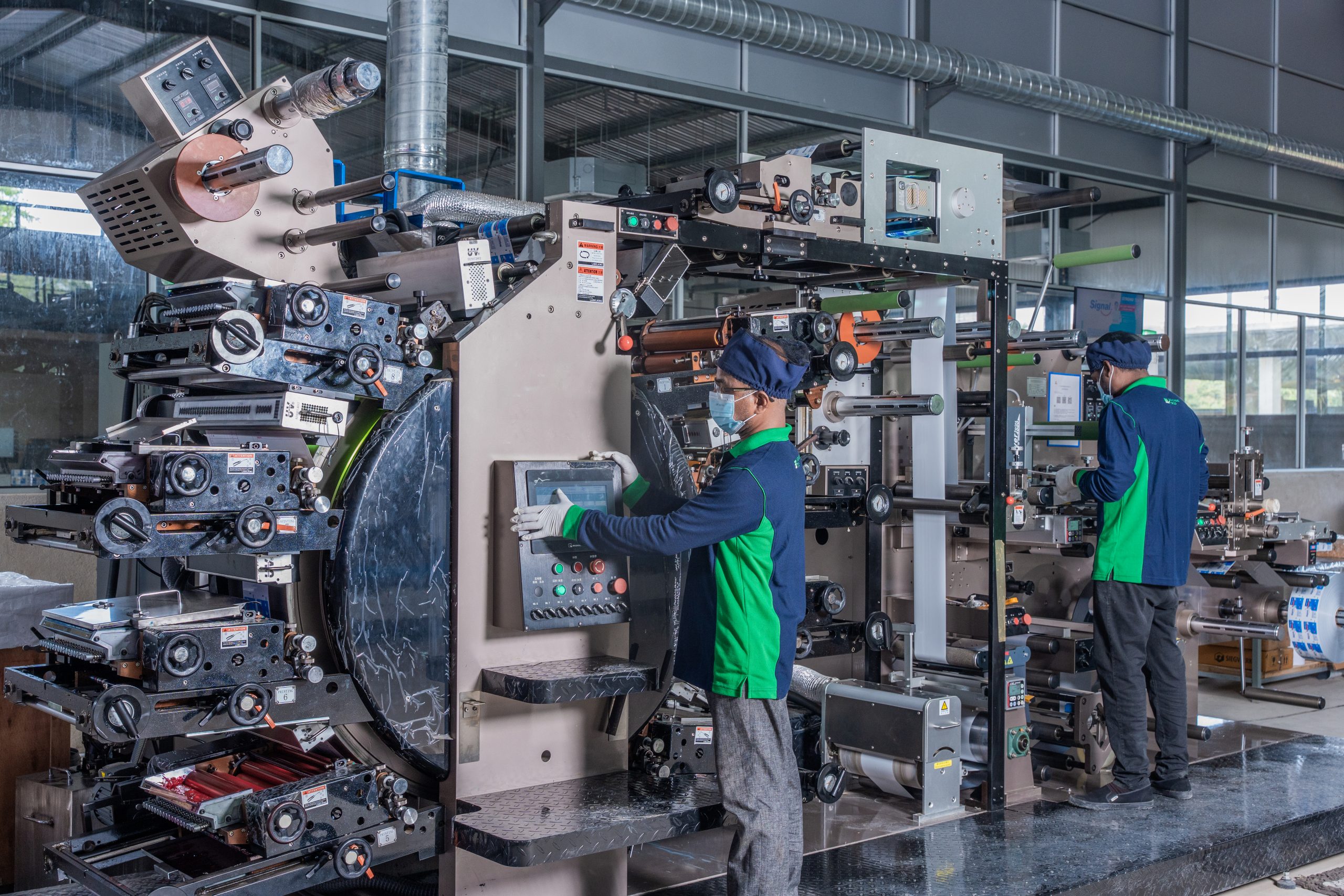
At JPI, we continue to invest in advanced manufacturing technologies to ensure consistent output across production runs. Our capabilities in ABL and PBL tube manufacturing, introduced through milestones in 2017 and expanded in 2020, support export ready packaging with high precision and reliability.
Reliable Collaboration with Procurement Teams
Strong collaboration between packaging partners and procurement teams is essential for managing timelines and ensuring smooth operations. Misalignment can lead to delays, increased costs, and supply chain disruptions.
An effective partner integrates with procurement planning, aligns with production schedules and maintains clear communication throughout the process. This is important for both large scale buyers and emerging local companies preparing to scale their operations.
At JPI, we support international partners through reliable packaging production while also working closely with growing brands to ensure their operational needs are met. This collaborative approach helps maintain consistency across the supply chain.
Scalable Production Systems for Future Growth
Export growth requires packaging partners who can scale production without compromising quality. As demand increases, the ability to expand capacity efficiently becomes critical.
Flexible production models allow businesses to start with lower volumes and scale gradually. This is especially important for startups and local companies entering new markets.
We design our processes to support global supply requirements while remaining accessible to growing brands. Our support for low MOQs enables new entrants to test and enter markets, while our scalable systems ensure that production can increase in line with demand.
Market Stability and Cost Control
One of the most overlooked factors when choosing a packaging partner is cost stability. Many businesses rely on imported packaging, which exposes them to fluctuations in the US dollar.
These fluctuations can significantly impact production costs, making it difficult to maintain predictable pricing structures.
Working with local plastic packaging companies provides a clear advantage. Local sourcing significantly reduces exposure to currency volatility, making cost structures more predictable compared to importing packaging products.
This stability supports better financial planning and reduces risk for growing brands.
Industry Perspective: The Shift Toward Capability Driven Partnerships
Sri Lanka’s packaging sector has seen significant growth, driven by an increasing number of local brands preparing for export markets. As competition intensifies, businesses are shifting from price based supplier selection to capability driven partnerships.
Companies now prioritise partners who can offer consistent quality, scalability and operational reliability. Local manufacturing has become a key factor in reducing supply chain risk and improving responsiveness.
Our continued investments in advanced molding and printing technologies since 2010, along with automated In Mold Labelling introduced in 2015, reflect this industry shift. These developments enable us to support both established exporters and emerging brands with reliable packaging manufacturing solutions.
Building Export Ready Packaging Partnerships
Choosing the right packaging partner is essential for successful export growth. Businesses must evaluate not only production capacity but also compliance capability, process integration and scalability.
Consistent quality, structured documentation and reliable collaboration all contribute to long term success. In addition, local manufacturing offers stability in cost and supply, which is critical in an unpredictable global environment.
At JPI, we support international partners through reliable packaging production while also enabling new market entrants to scale confidently. Our focus on advanced manufacturing, flexibility and quality ensures that brands are well positioned for global expansion.