Startups and growing FMCG brands often face significant challenges when sourcing packaging for new products. Large minimum order requirements can create financial pressure, increase inventory risks and limit flexibility during early growth stages. For cosmetic brands, entrepreneurs, and packaging buyers, balancing production quality with operational efficiency is becoming increasingly important.
Low MOQ manufacturing has emerged as a practical solution for businesses seeking greater flexibility without compromising packaging standards.
At JPI, we work with both established companies and emerging brands to support scalable packaging production through reliable manufacturing systems and flexible operational planning. This approach helps businesses manage uncertainty while maintaining supply continuity and production efficiency.
Reducing Financial Risk in Early Production
For new brands and developing product lines, committing to large production volumes can increase financial exposure before market demand is fully established. Excess inventory, storage costs and tied up capital can place operational pressure on businesses that are still testing customer response.
Low MOQ manufacturing helps reduce these risks by allowing companies to produce smaller packaging quantities during initial launch stages. This provides businesses with greater control over spending while reducing the likelihood of unused inventory.
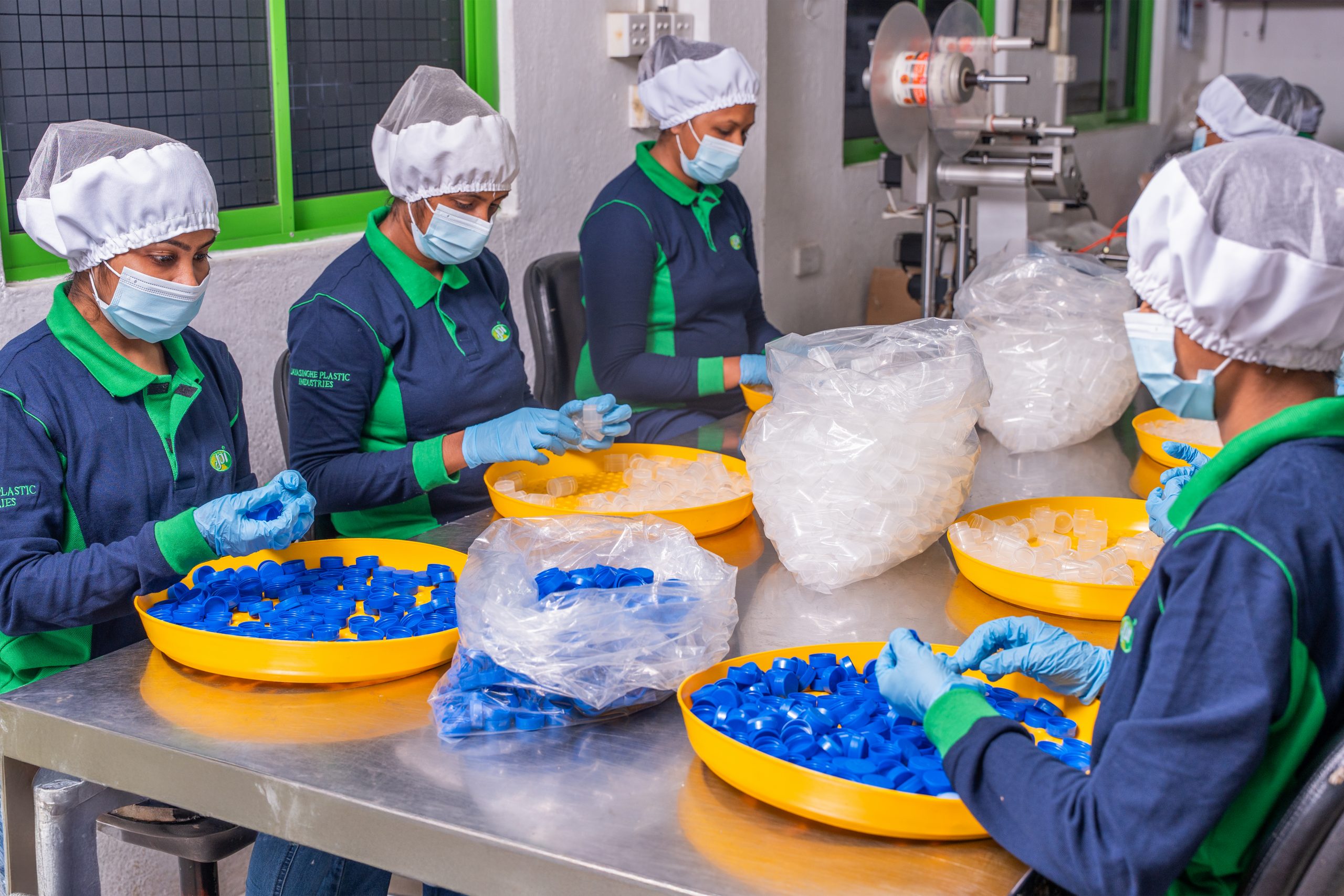
We support both large scale production and lower MOQ manufacturing requirements to help businesses maintain operational flexibility during growth periods. Smaller production runs also allow companies to introduce products gradually without committing to excessive packaging stock.
This flexibility is especially valuable for cosmetic manufacturers and FMCG brands that frequently launch new product variations or seasonal packaging formats. Businesses can adjust production volumes based on real market performance rather than projected demand alone.
Supporting Product Testing and Market Validation
Growing brands often need to test different packaging formats, labeling designs or product variations before finalising long term production strategies. Large order requirements can restrict experimentation and slow product development cycles.
Low MOQ manufacturing allows businesses to validate packaging performance under real market conditions while maintaining manageable production costs. This creates a more agile product development process and supports faster decision making.
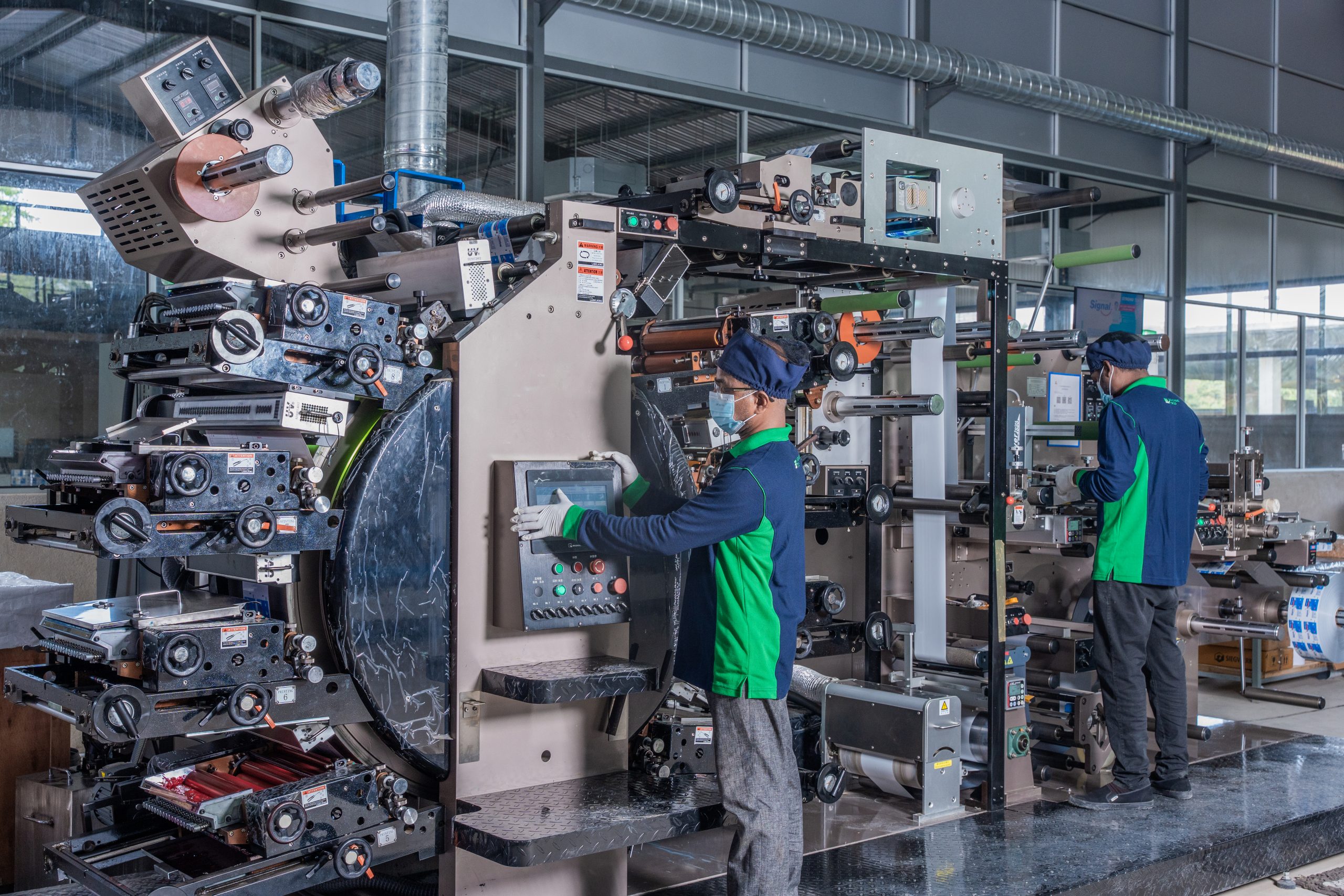
We continue to invest in advanced manufacturing technologies that improve production flexibility and packaging precision. Since introducing advanced molding and printing technologies in 2010, we have strengthened our ability to support diverse packaging requirements across multiple industries.
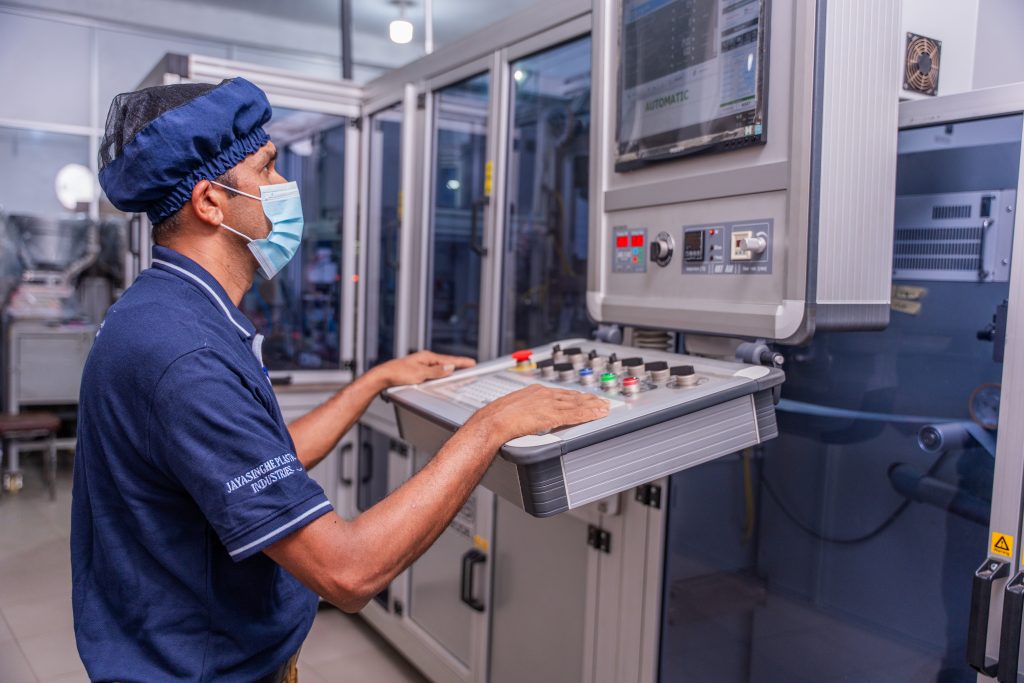
Further investment in automated In Mold Labelling systems in 2015 improved consistency and production efficiency for businesses requiring high quality packaging presentation. These operational improvements support companies seeking flexible packaging development without compromising production reliability.
For startups and emerging businesses, this level of manufacturing agility helps reduce operational pressure during product launch phases while supporting innovation and market responsiveness.
Lower Inventory and Storage Pressure
Managing excess packaging inventory can become a major challenge for smaller businesses with limited storage capacity or changing market demand. Large production commitments often create unnecessary stock accumulation, increasing warehousing costs and slowing operational flexibility.
Low MOQ production reduces inventory holding pressure by allowing businesses to order packaging according to current production needs rather than long term volume forecasts. This creates a more efficient supply chain structure while improving inventory management.
At JPI, we design our production systems to support growing brands with scalable packaging solutions that adapt to changing business requirements. Flexible manufacturing planning also helps businesses respond more effectively to market trends, product updates and seasonal demand changes.
This operational approach supports better cash flow management by reducing the amount of capital tied up in unused packaging inventory. Businesses can allocate resources more strategically across product development, marketing and distribution activities.
As one of the experienced plastic manufacturers in sri lanka, JPI focuses on maintaining production reliability while offering operational flexibility that supports both startups and expanding businesses.
Scaling Production Gradually with Demand
As businesses grow, production requirements often change rapidly. Manufacturers that support gradual scaling provide a more stable pathway for brands transitioning from small production runs to larger commercial volumes.
Low MOQ partnerships create operational continuity because businesses can increase order quantities progressively without changing suppliers or production systems. This reduces disruptions and helps maintain consistent packaging quality throughout different growth stages.
JPI’s manufacturing growth reflects this long term focus on scalable production capability. Founded as a small manufacturing facility in Matugama during the 1990s, the company expanded into high capacity industrial packaging production in 2000 to support increasing market demand.
Additional investments further strengthened our production flexibility. In 2017, JPI introduced Sri Lanka’s first ABL and PBL web printing capability, followed by the launch of ABL and PBL flexible tube manufacturing in 2020. These developments improved our ability to support cosmetic packaging solutions for both local and international markets.
We support startups and emerging businesses through flexible packaging manufacturing partnerships that allow gradual production scaling while maintaining quality consistency and operational stability.
Sri Lanka’s Packaging Industry Is Becoming More Flexible
Sri Lanka’s packaging sector continues to evolve alongside the growth of local FMCG brands, cosmetic manufacturers, and export oriented businesses. Increasingly, companies are seeking suppliers that can provide operational flexibility, scalable production support, and efficient lead times.
Flexible packaging manufacturing is becoming strategically important as businesses look for ways to reduce inventory risks and respond more quickly to changing market conditions. Smaller production capability also supports innovation by allowing brands to test packaging concepts without large financial commitments.
Today, plastic manufacturers in Sri Lanka are investing in scalable production systems, advanced labeling technologies, and improved manufacturing efficiency to support modern supply chain requirements. The demand for export ready packaging and cosmetic packaging solutions is also encouraging manufacturers to strengthen production quality and operational reliability.
JPI’s eco-friendly material initiatives launched in 2018 and our investment in advanced IML label production technology in 2025 reflect this broader industry shift toward capability driven manufacturing and long term production sustainability.
Building Flexible Manufacturing Partnerships
Low MOQ manufacturing plays an important role in reducing business risk for startups, entrepreneurs and growing FMCG brands. Flexible production partnerships help businesses manage inventory more efficiently, improve cash flow stability and scale operations according to actual market demand.
Experienced manufacturers also provide the operational systems, production consistency and technical support required to maintain quality during different stages of business growth. This creates stronger long term supply relationships and more stable production planning.
At JPI, we focus on transparency, manufacturing reliability and scalable packaging support to help businesses grow with greater operational confidence.