Launching a new product line involves more than creative packaging design or market demand. For cosmetic brands, packaging buyers and manufacturing teams, production reliability plays a major role in long term success. Small issues during development can lead to delays, product waste, quality inconsistencies and rising operational costs once production begins.
This challenge has become increasingly important for both global buyers and emerging local businesses seeking stable manufacturing support. During periods of economic uncertainty and currency fluctuation, dependable local production capability also helps companies maintain supply continuity and control costs more effectively.
Early Design Validation Improves Production Stability
One of the most effective ways to reduce manufacturing risks is through early design validation. Packaging designs that appear suitable during concept development may create challenges during large scale production if technical limitations are not identified early.
Experienced plastic manufacturers assess factors such as wall thickness, sealing performance, print alignment, filling compatibility and transport durability before mass production begins. This process helps identify design flaws before tooling investments or large material orders are made.
At JPI, we continue to invest in advanced manufacturing technologies that support early stage evaluation and production readiness. Our operational teams work with customers to ensure packaging structures are compatible with production equipment, cosmetic formulations and long term storage requirements.
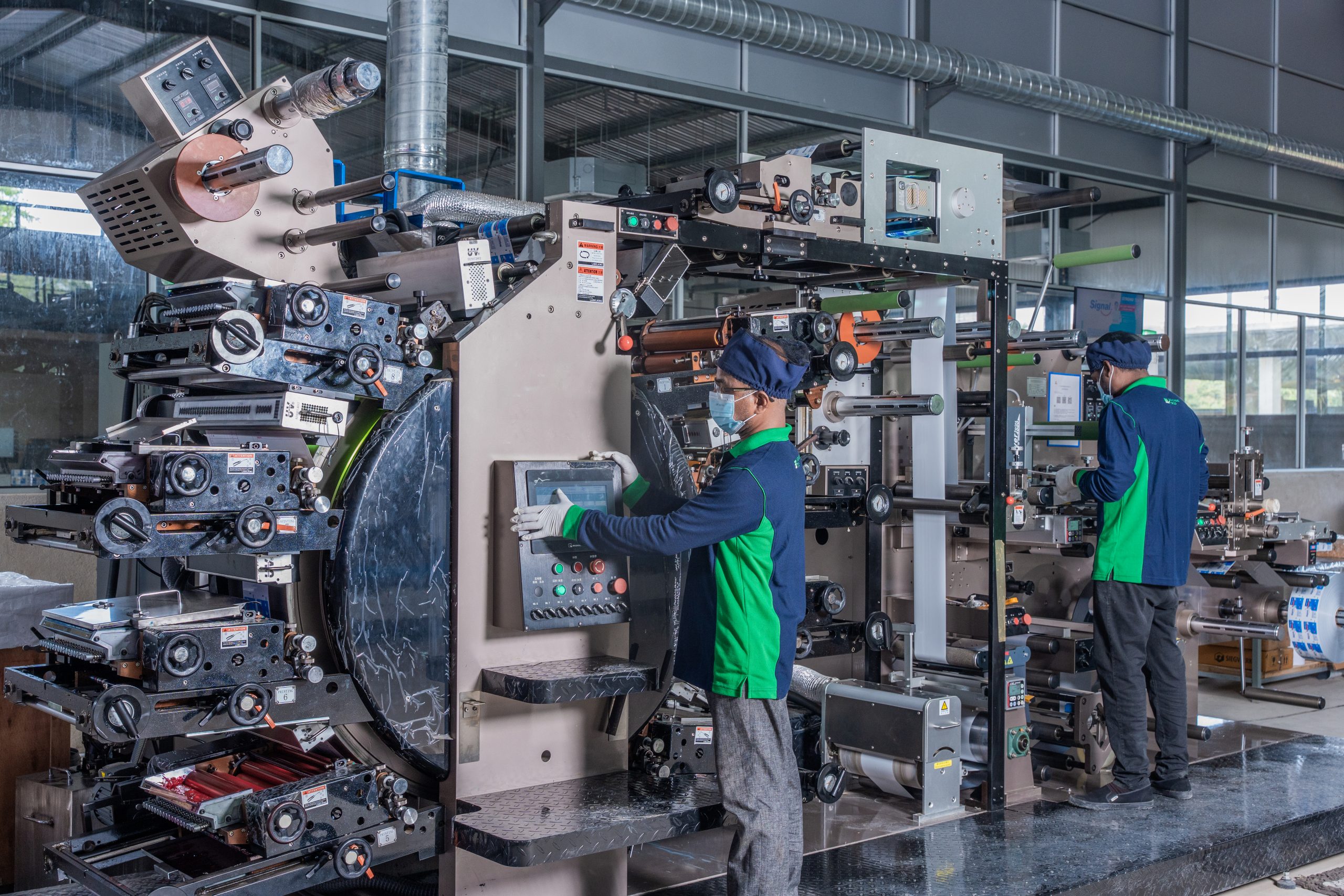
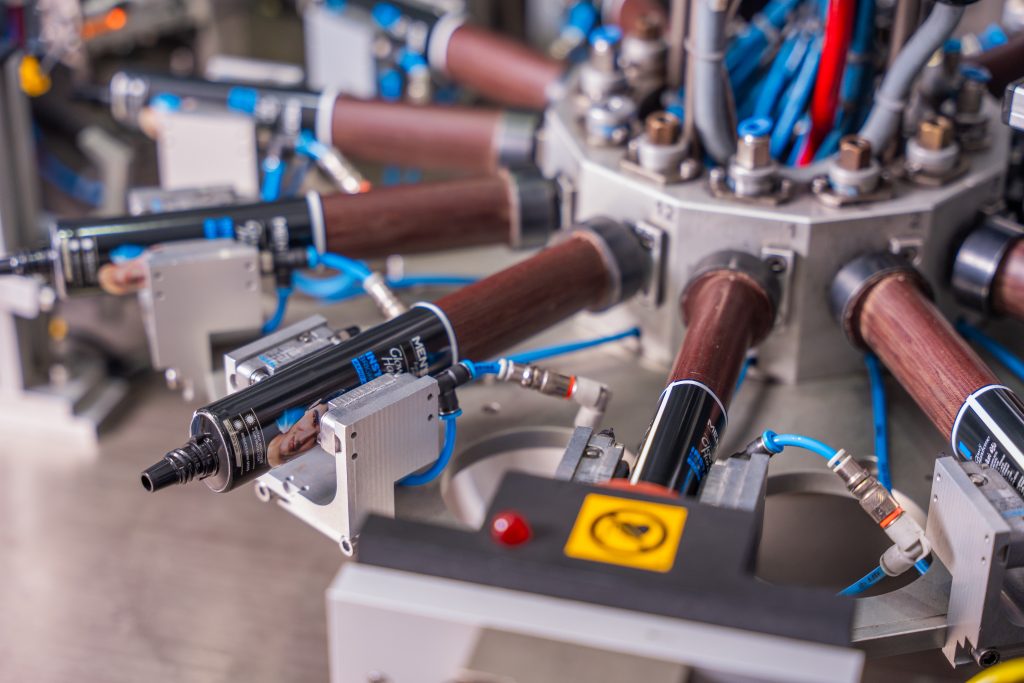
This level of technical review is especially important for cosmetic tubing applications. Following the introduction of Sri Lanka’s first ABL and PBL web printing capability in 2017, we expanded our expertise in advanced cosmetic packaging production. In 2020, we further strengthened this capability by starting ABL and PBL flexible tube manufacturing to support growing demand for cosmetic and personal care packaging solutions.
Material Selection Supports Product Compatibility
Material selection directly affects packaging performance, product safety and manufacturing efficiency. Poor material compatibility can lead to leakage, deformation, print instability or reduced shelf life during distribution.
Experienced manufacturers reduce these risks by selecting materials based on product formulation, environmental conditions and transportation requirements. Cosmetic products often require specific barrier protection, flexibility, and printing performance to maintain quality throughout the supply chain.
We support international partners through reliable packaging production by using structured material evaluation processes. Our teams assess resin performance, sealing characteristics and compatibility with cosmetic ingredients before production scaling begins.
Local manufacturing capability also provides a practical advantage during periods of currency instability. Businesses that rely heavily on imported packaging products often face increased exposure to dollar fluctuations, shipping delays and inconsistent lead times. By working with a local manufacturer, companies can reduce sourcing uncertainty while maintaining more stable operational planning.
This is becoming increasingly relevant as more printing and packaging companies in Sri Lanka invest in advanced material technologies, production automation and export ready packaging systems.
Quality Control Systems Reduce Defect Rates
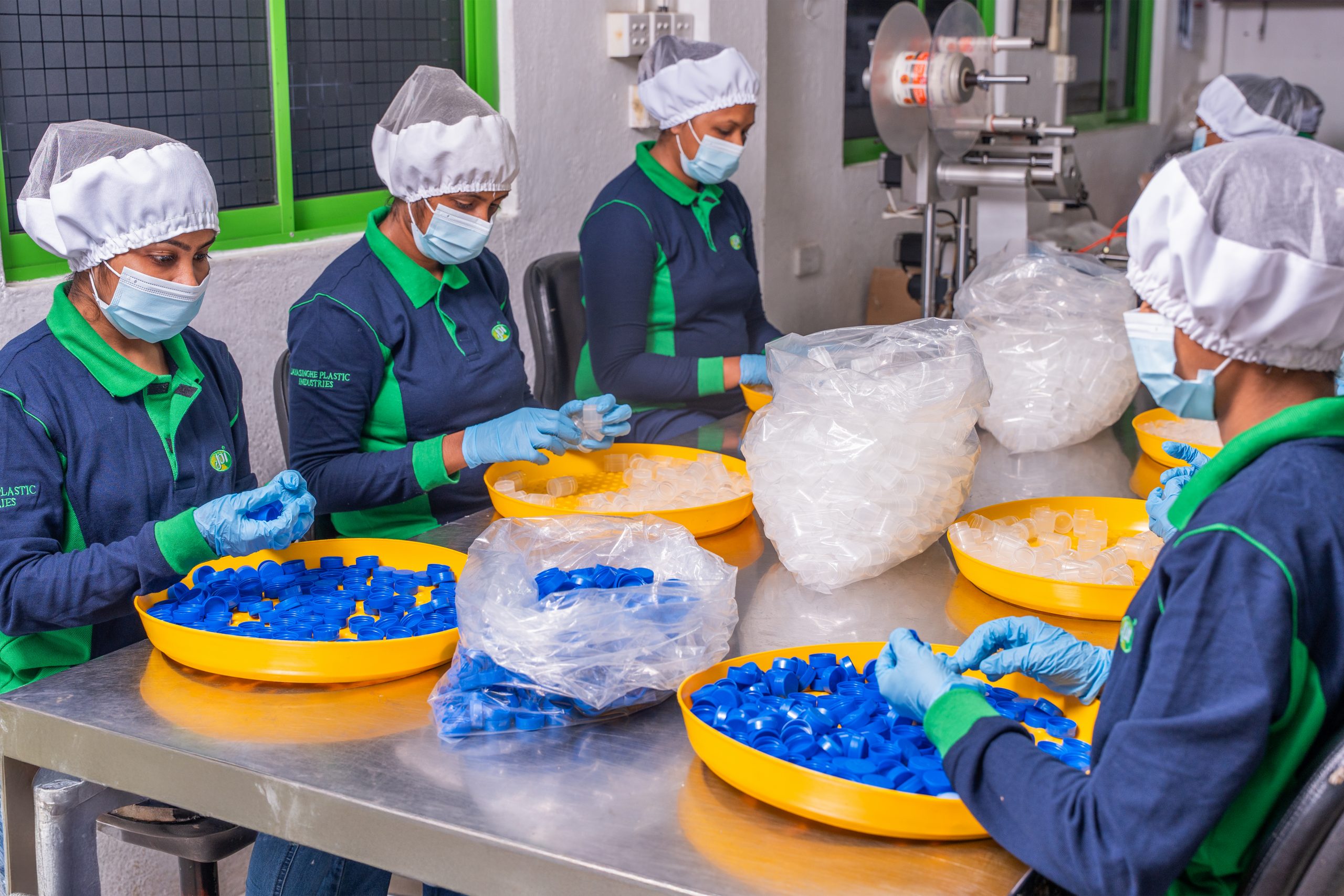
Reducing defect rates during production requires more than final inspection. Reliable manufacturers implement process control systems throughout the entire production cycle to maintain consistency and minimise operational disruptions.
Structured quality monitoring helps identify issues such as colour variation, molding defects, print inconsistencies, and dimensional instability before products move further through the production process. This reduces material waste, improves efficiency, and protects customer supply timelines.
JPI’s operational growth reflects a long term focus on manufacturing reliability. After beginning as a small manufacturing facility in Matugama during the 1990s, the company expanded into high capacity industrial packaging production in 2000. In 2010, advanced molding and printing technologies were introduced to strengthen production precision and consistency.
Further investment followed in 2015 with the introduction of an automated In Mold Labelling production line. More recently, in 2025, we began producing IML labels using advanced printing machines to support increasingly demanding packaging standards across local and export markets.
These investments allow us to maintain stable production environments while supporting both large scale orders and specialised packaging requirements.
Testing and Validation Support Reliable Scaling
Transitioning from pilot production to mass manufacturing can create operational risks if testing systems are not properly structured. Production behaviour often changes at higher volumes, especially when packaging involves multiple materials, decorative finishes or specialised sealing processes.
Experienced manufacturers use validation procedures to test packaging performance under real production conditions. This includes sealing validation, print durability testing, dimensional consistency checks, transport simulations and filling line compatibility assessments.
At JPI, we design our processes to support global supply requirements while maintaining production stability across different order volumes. Structured testing allows customers to move from development to commercial production with greater confidence and fewer operational disruptions.
This approach is particularly valuable for startups and growing local brands introducing new cosmetic products. Smaller businesses often require flexible support during launch phases where production quantities remain limited. We support both large scale production and lower MOQ manufacturing requirements for developing brands seeking reliable market entry without excessive inventory risk.
Sri Lanka’s Packaging Industry Is Expanding Through Capability Driven Manufacturing
Sri Lanka’s packaging sector continues to evolve alongside the growth of local cosmetic and personal care brands. Increasingly, businesses are seeking suppliers that can provide operational reliability, technical support and flexible production capability rather than focusing only on basic regulatory compliance.
The demand for cosmetic packaging solutions, advanced labeling technologies and export ready packaging continues to grow across regional and international markets. Local manufacturers are also playing a greater role in helping businesses reduce operational uncertainty linked to global supply disruptions and fluctuating foreign exchange conditions.
Reliable local sourcing also provides faster lead times, improved communication and stronger supply continuity compared to importing packaging products from overseas suppliers. This helps businesses maintain production schedules while reducing exposure to shipping delays and dollar based pricing instability.
As a result, printing and packaging companies in Sri Lanka are increasingly investing in automation, advanced printing systems and sustainable packaging development to support both domestic and export markets.
Building Reliable Packaging Partnerships
Reducing production risks requires more than manufacturing capacity alone. It depends on technical expertise, structured quality systems, reliable sourcing capability and operational flexibility throughout the product development process.
For cosmetic brands, export partners, startups and packaging buyers, experienced local manufacturers provide greater production stability during uncertain economic conditions. Flexible MOQ support also allows emerging businesses to launch products more efficiently without committing to excessive inventory levels.
At JPI, we focus on transparency, process control and long term production reliability to help customers develop packaging solutions with greater confidence and operational stability.