Quality assurance has become a critical requirement in modern packaging manufacturing. Buyers are no longer focused only on pricing or production capacity. Procurement teams, export focused brands and quality managers now expect manufacturers to deliver consistency, traceability, compliance and long term operational reliability.
As global supply chains become more demanding, packaging quality directly affects product safety, brand reputation and regulatory compliance. Even small inconsistencies in packaging performance can lead to rejected shipments, production delays, or customer complaints. This is particularly important for cosmetic packaging solutions, cosmetic tube packaging, industrial packaging and export ready packaging where sealing integrity, print accuracy and packaging consistency directly influence product presentation and customer trust.
At JPI, we understand that strong manufacturing systems are essential for maintaining quality across every stage of production. Our focus continues to be centered on operational discipline, advanced inspection technologies and manufacturing transparency that support international supply requirements.
Standardised Quality Control Across Production
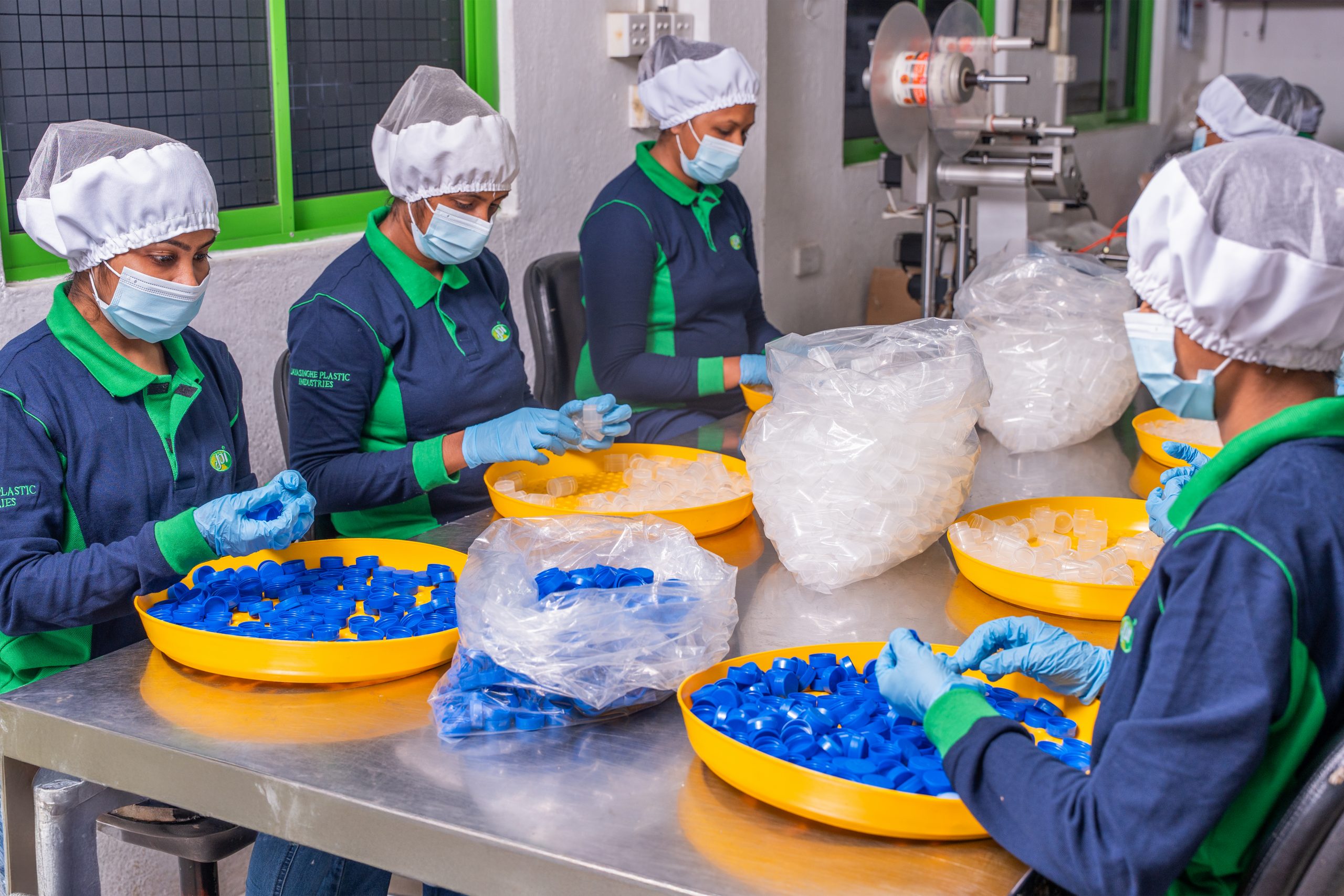
Reliable packaging manufacturers operate through clearly defined quality control checkpoints. These checkpoints help ensure that raw materials, molding accuracy, printing quality, and finished products meet required specifications before they move to the next production stage.
A structured quality system usually begins with incoming material verification. Resin quality, color consistency, dimensional tolerances, and supplier certifications are commonly reviewed before manufacturing begins. Production line inspections then monitor parameters such as wall thickness, sealing integrity, print registration, and surface defects.
In high volume packaging manufacturing, standardisation is essential because even minor variations can affect downstream filling operations or shelf presentation. Consistent inspection procedures also help manufacturers reduce waste while improving production consistency.
We continue to invest in advanced manufacturing technologies that strengthen process stability and support repeatable product quality. Our operational systems are designed to maintain accuracy across large scale production runs while also supporting flexible production requirements, including low and medium MOQ orders for growing brands and specialised packaging applications. This allows us to maintain production consistency while adapting to varying customer requirements and market demands.
Traceability Systems and Production Documentation
Traceability has become one of the most important expectations among international packaging buyers. Modern manufacturers must be able to identify production batches quickly and provide supporting documentation when required.
Strong traceability systems allow manufacturers to track raw materials, machine settings, operator records and inspection data throughout the manufacturing cycle. In practice, this means every production batch can be linked back to its source materials and quality inspection history.
For procurement teams and export partners, traceability improves supply chain confidence. If a quality issue arises, manufacturers with proper documentation systems can isolate affected batches efficiently without disrupting wider production operations.
Manufacturers that support export ready packaging also maintain clear documentation related to compliance testing, production approvals, and customer specifications. This level of operational visibility has become increasingly valuable across regulated industries.
At JPI, we design our processes to support global supply requirements through documented production controls and structured monitoring systems. These capabilities help us maintain accountability while supporting long term customer partnerships.
Automated Inspection and Advanced Manufacturing Technologies
Automation plays an increasingly important role in modern quality control systems. Manual inspections remain important, but automated inspection technologies improve consistency by reducing human error during high speed production.
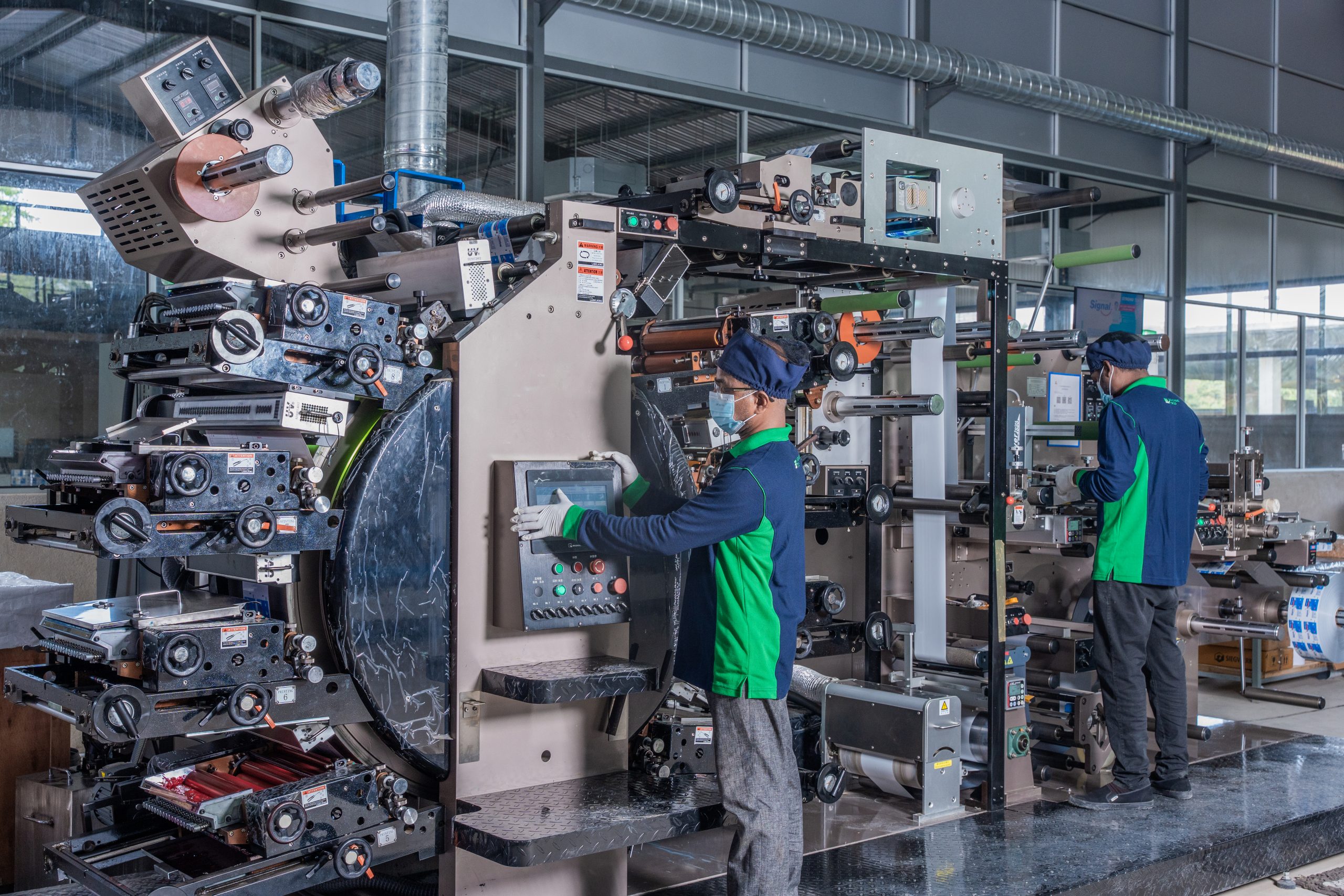
Vision inspection systems, automated defect detection, and precision measurement tools help manufacturers identify inconsistencies before products move into final packaging stages. These technologies can detect issues such as printing misalignment, dimensional variation, surface imperfections or sealing defects with greater accuracy.
The shift toward automated manufacturing has also improved operational efficiency across the packaging sector. Manufacturers with advanced inspection technologies are often better equipped to maintain reliable output during large scale production demands.
At JPI, our investment in automation reflects a long term commitment to manufacturing capability. In 2015, we introduced an automated In Mold Labelling production line to improve production precision and labeling consistency. Further advancements followed in 2025 with the introduction of advanced printing systems for IML label production, strengthening our ability to deliver consistent packaging performance at scale.
Compliance Standards and Continuous Monitoring
International buyers increasingly expect manufacturers to maintain systems that align with recognized compliance and quality management standards. These standards help ensure that packaging products meet operational, safety and regulatory expectations across different export markets.
Reliable manufacturers implement continuous monitoring systems throughout production rather than relying solely on final inspections. Machine calibration schedules, process audits and performance reviews all contribute to long term manufacturing reliability.
Continuous monitoring also supports preventive quality management. Instead of reacting to production problems after they occur, manufacturers can identify trends early and make process adjustments before issues affect product quality.
At JPI, we support international partners through reliable packaging production built around structured operational controls. Our manufacturing development has progressed steadily since the company was founded as a small facility in Matugama during the 1990s. Expansion into high capacity industrial packaging production in 2000 and the introduction of advanced molding and printing technologies in 2010 helped strengthen our manufacturing systems for evolving global market demands.
The Growing Importance of Quality Assurance in Sri Lanka’s Packaging Sector
Sri Lanka’s packaging sector continues to evolve alongside increasing export expectations and global competition. Buyers today expect more than basic regulatory compliance. Manufacturing capability, process transparency, and quality assurance systems now play a major role in supplier selection.
This shift is especially visible within cosmetic packaging solutions, food packaging and industrial packaging markets where production reliability directly affects international brand performance. Manufacturers that invest in process improvement and inspection systems are better positioned to support long term export partnerships.
The demand for reliable plastic packaging in Sri Lanka is also encouraging manufacturers to adopt stronger operational systems and advanced production technologies. As supply chains become more interconnected, quality assurance is becoming a strategic business requirement rather than a simple technical function.
At JPI, we continue to strengthen our manufacturing capabilities through technology investment, operational discipline, and process improvement initiatives that support both local and international packaging requirements.
Building Quality Driven Packaging Partnerships
Quality assurance systems are now central to successful packaging manufacturing. Standardised inspections, automated monitoring, traceability systems, and compliance focused operations all contribute to stronger production reliability and supply chain confidence.
For procurement teams and international buyers, selecting a manufacturer with structured operational systems reduces risk while improving consistency across long term supply programs. Reliable inspection procedures, production traceability and consistent process control have become increasingly important for maintaining supply confidence within modern packaging partnerships.
The continued growth of plastic packaging in Sri Lanka highlights the importance of manufacturers that combine technical capability with dependable operational systems. Companies that invest in quality driven production will remain better prepared to support evolving global packaging requirements.