Markets today move faster than they did a few years ago. Product cycles are shorter, consumer preferences shift rapidly, and brands are increasingly expected to respond with greater speed and precision. Whether introducing a new product category or expanding into new markets, timing often plays a major role in determining commercial success.
In this environment, product launch timelines depend on far more than the product itself. Packaging development has become an important part of the process because delays in design, sampling, approvals, or manufacturing can slow market entry and reduce the ability to respond to time sensitive opportunities.
As businesses continue adapting to faster commercial conditions, packaging responsiveness is becoming increasingly important for maintaining competitiveness. For many plastic manufacturers in Sri Lanka, speed is no longer viewed simply as an operational advantage. It is becoming an important factor in helping businesses move more efficiently from product planning to market readiness while responding more effectively to evolving consumer and retail demands
At JPI, we understand that packaging speed is not simply a measurement of efficiency.
Why Reducing Packaging Delays Improves Market Entry?
Launching a product involves multiple stages that depend on one another. Delays at any point in the packaging development cycle can affect production schedules and postpone market entry.
Development bottlenecks often occur during approval stages, design revisions, or manufacturing coordination. While each stage is necessary, extended timelines may cause businesses to miss important market opportunities.
Faster packaging development helps solve this challenge by reducing waiting periods between stages. Quicker execution allows products to move more efficiently from concept into production.
The commercial value is clear. Faster market entry allows businesses to capture opportunities earlier and improve responsiveness in changing market environments.
We focus on responsive manufacturing systems that support faster commercial outcomes while maintaining process consistency and production quality.
Why Shorter Lead Times Improve Competitiveness?
Competitive markets reward responsiveness. Businesses that can react quickly to demand shifts, seasonal opportunities, or changing customer expectations often gain advantages in market positioning.
Long production cycles can create challenges when products need to be introduced quickly. Extended lead times may reduce flexibility and limit a company’s ability to react effectively.
Shorter manufacturing timelines create greater operational agility. Products can move through development and production cycles more efficiently, improving speed to market and helping businesses respond with greater confidence.
Local manufacturing can also support operational planning. Compared with importing packaging products, local production may reduce exposure to external factors such as exchange rate fluctuations, helping businesses maintain more predictable supply arrangements and procurement planning.
Why Faster Sampling and Prototyping Matter
Packaging development often requires multiple rounds of testing and revisions before final approval. Slow sampling processes can delay decision making and reduce responsiveness to market trends.
Faster prototyping creates opportunities for earlier feedback and quicker refinements. Product development teams can identify adjustments before moving into larger production stages.
This is particularly relevant for growing local businesses and emerging brands. Many new companies require flexibility during launch periods while testing products and entering competitive markets.
Lower Minimum Order Quantity capabilities can support these businesses by allowing smaller production volumes during early growth stages. This creates flexibility for market testing while reducing inventory pressure.
Why Packaging Coordination Improves Rollout Efficiency
Packaging development rarely depends on one department alone. Design teams, production teams, manufacturing operations, and commercial stakeholders often work together throughout the process.
Weak coordination between these functions can create delays and communication gaps that affect launch timelines.
Stronger coordination improves visibility across stages and allows issues to be identified earlier. Faster alignment between teams creates smoother execution and reduces unnecessary delays.
We design our processes to support global supply requirements because operational visibility plays an important role in maintaining production responsiveness.
Why Does Manufacturing Speed Improve Retail Readiness?
Speed becomes valuable only when consistency and quality remain stable throughout production.
Retail launches often depend on precise timing. Products reaching shelves late can affect promotional schedules, supply planning, and customer availability.
Efficient manufacturing systems help products move toward market readiness with greater confidence. Faster production execution allows businesses to align supply requirements with commercial timelines while maintaining packaging consistency.
We support international partners through reliable packaging production that prioritizes responsiveness alongside manufacturing quality.
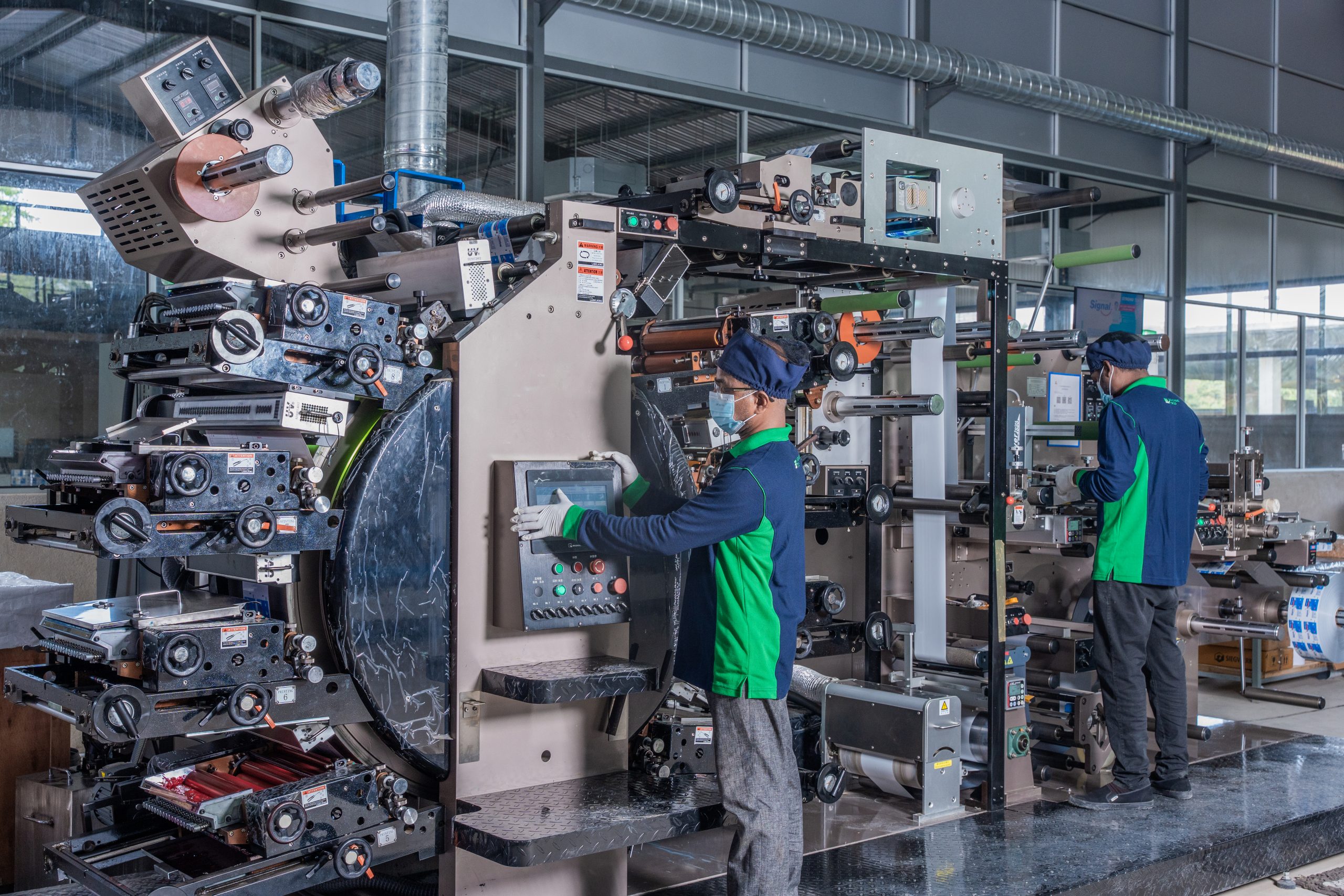
The company has also continued strengthening operational capabilities through long term technology investments. In 2015, JPI introduced an automated In Mold Labelling production line, while later investments expanded advanced printing and flexible packaging capabilities. These developments support improved production efficiency and faster execution across packaging requirements.
Why Sri Lanka’s Packaging Industry Is Increasingly Focused on Responsiveness?
Sri Lanka’s packaging sector continues to evolve beyond traditional manufacturing output. Buyers increasingly look for manufacturing partners that provide operational responsiveness alongside production capability.
Today, businesses value manufacturing agility, production consistency, supply reliability, and stronger visibility throughout the packaging process.
Many plastic manufacturers in Sri Lanka are adapting to these expectations by investing in technology and improving operational efficiency. Packaging performance is increasingly measured not only by output volume but also by responsiveness and execution capability.
FAQs
We reduce delays by improving coordination between development stages, manufacturing processes, and production planning. Faster execution helps brands move products from concept to market more efficiently while maintaining consistency and operational control.
Shorter lead times improve responsiveness and allow products to reach the market earlier. Businesses can react more effectively to demand changes and improve competitiveness without unnecessary delays in production schedules.
Faster sampling, prototyping, and responsive manufacturing processes help development teams make quicker adjustments. This creates greater flexibility for adapting products based on market conditions and customer expectations.
Consumer preferences and competitive conditions continue changing quickly. Faster market execution helps businesses capture opportunities earlier while reducing the impact of delays during product development.
We focus on stronger process coordination, responsive manufacturing systems, and improved operational visibility. Early issue identification and efficient communication help reduce unnecessary delays.
Growing businesses often need flexibility during launch stages. Responsive manufacturing support, scalable production capability, and practical development processes help brands expand gradually and efficiently.
Efficient production systems improve manufacturing consistency and help products move toward commercial availability more effectively. This supports stronger supply planning and launch execution.
Responsive manufacturing helps businesses react more efficiently to changing market conditions. Faster execution and stronger coordination support improved competitiveness and better commercial outcomes.