Sustainability and operational efficiency have become increasingly important priorities across the packaging industry. Manufacturers today face growing pressure to reduce environmental impact while maintaining high standards of product quality, supply chain performance and cost efficiency. As environmental regulations evolve and consumer awareness continues to increase, businesses are seeking packaging solutions that support long term sustainability goals without disrupting operational effectiveness.
At the same time, rising transportation costs, increasing resource constraints and the demand for greater supply chain efficiency have accelerated the adoption of innovative packaging strategies. Companies are no longer evaluating packaging solely based on its ability to protect products. Instead, they are considering how packaging design can contribute to cost savings, logistics optimisation, material efficiency, and environmental responsibility.
Within the sector of plastic packaging in Sri Lanka, many businesses are actively exploring ways to reduce unnecessary material usage while maintaining the strength, durability and performance required for safe product transportation and storage. This shift has created greater interest in packaging innovations that deliver measurable sustainability benefits while supporting business performance objectives.
At JPI, we continuously evaluate and implement packaging advancements that help customers achieve both sustainability and operational excellence. Through practical, engineering driven solutions, we focus on creating packaging that reduces waste, improves resource efficiency and supports more sustainable supply chains without compromising functionality or reliability.
How Does Lightweight Packaging Reduce Overall Material Consumption?
Lightweight packaging innovation begins with packaging optimisation. Through engineering led design improvements, manufacturers can reduce the amount of material required while maintaining the intended function of the package. This approach supports material efficiency by eliminating unnecessary plastic usage and focusing resources where they provide the greatest performance value.
Reducing material consumption delivers both environmental and operational benefits. Less raw material is required during production, contributing to resource conservation and supporting sustainable manufacturing practices. At the same time, manufacturers can improve production efficiency by streamlining material usage throughout the manufacturing process.
Lightweight packaging therefore represents a practical strategy for achieving resource efficiency while maintaining packaging quality and supporting long term sustainability goals.
Why Are Brands Reducing Packaging Weight Without Compromising Durability?
Modern packaging must continue to provide reliable product protection throughout storage, transportation, and handling. As a result, brands are increasingly seeking solutions that reduce packaging weight while maintaining durability, stability, and overall performance.
Advances in material science and engineering design have made this possible. Improved structural designs, enhanced material distribution, and rigorous testing allow packaging manufacturers to achieve strong performance standards using fewer resources.
At JPI, we recognise that efficiency must always be balanced with durability and reliability. Lightweight packaging solutions must continue to meet product protection requirements while delivering measurable improvements in material efficiency. This balance helps brands maintain customer confidence while supporting sustainability initiatives.
How Can Lightweight Packaging Improve Transportation and Logistics Efficiency?
Packaging weight directly influences logistics performance across the supply chain. Lighter packaging reduces the overall weight of shipments, improving transportation efficiency and supporting supply chain optimisation efforts.
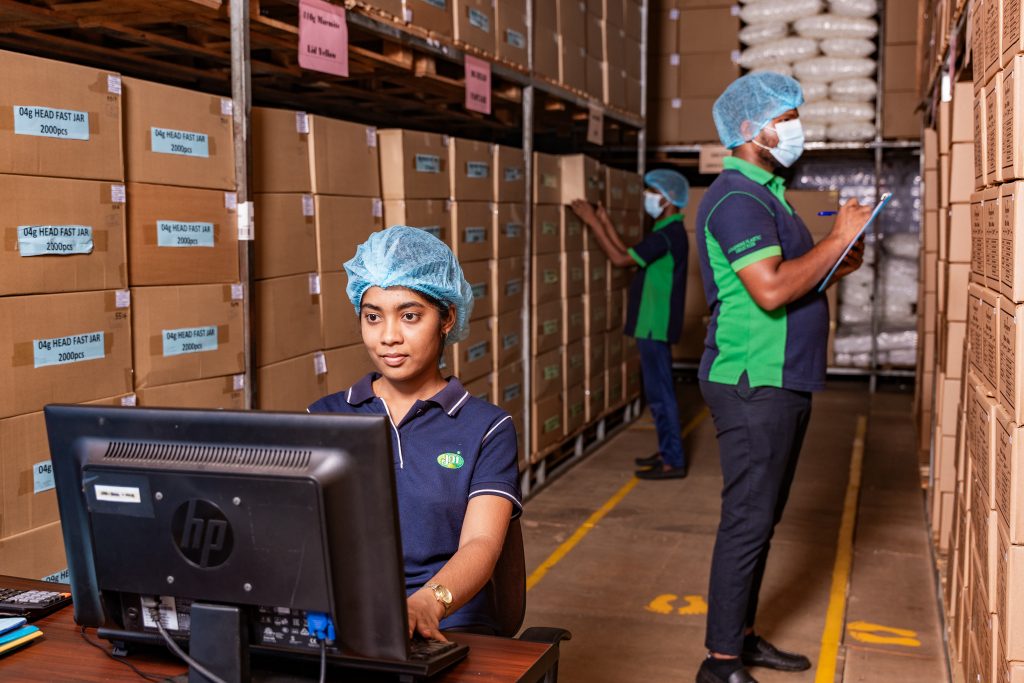
Reduced shipment weight can contribute to improved handling efficiency, more effective warehouse operations, and streamlined export logistics. These benefits become increasingly important for manufacturers serving regional and international markets where transportation performance affects operational planning and procurement consistency.
At JPI, we support international partners through reliable packaging production and efficient packaging design. Our manufacturing processes are designed to support global supply requirements while helping customers improve operational efficiency across complex supply chains.
For emerging local companies and new customers, scalable packaging solutions can also support product testing, packaging trials, and gradual business growth. Combined with low MOQ capabilities, lightweight packaging strategies can provide greater inventory flexibility while maintaining supply chain stability.
Why Does Engineering Optimisation Help Create More Sustainable Packaging Systems?
Sustainable packaging innovation is driven by continuous engineering optimisation. Manufacturers achieve meaningful improvements through design refinement, performance testing, material optimisation, and ongoing process evaluation.
Engineering led development enables packaging systems to deliver required performance levels while using resources more efficiently. This approach supports sustainability objectives without compromising manufacturing standards or product reliability.
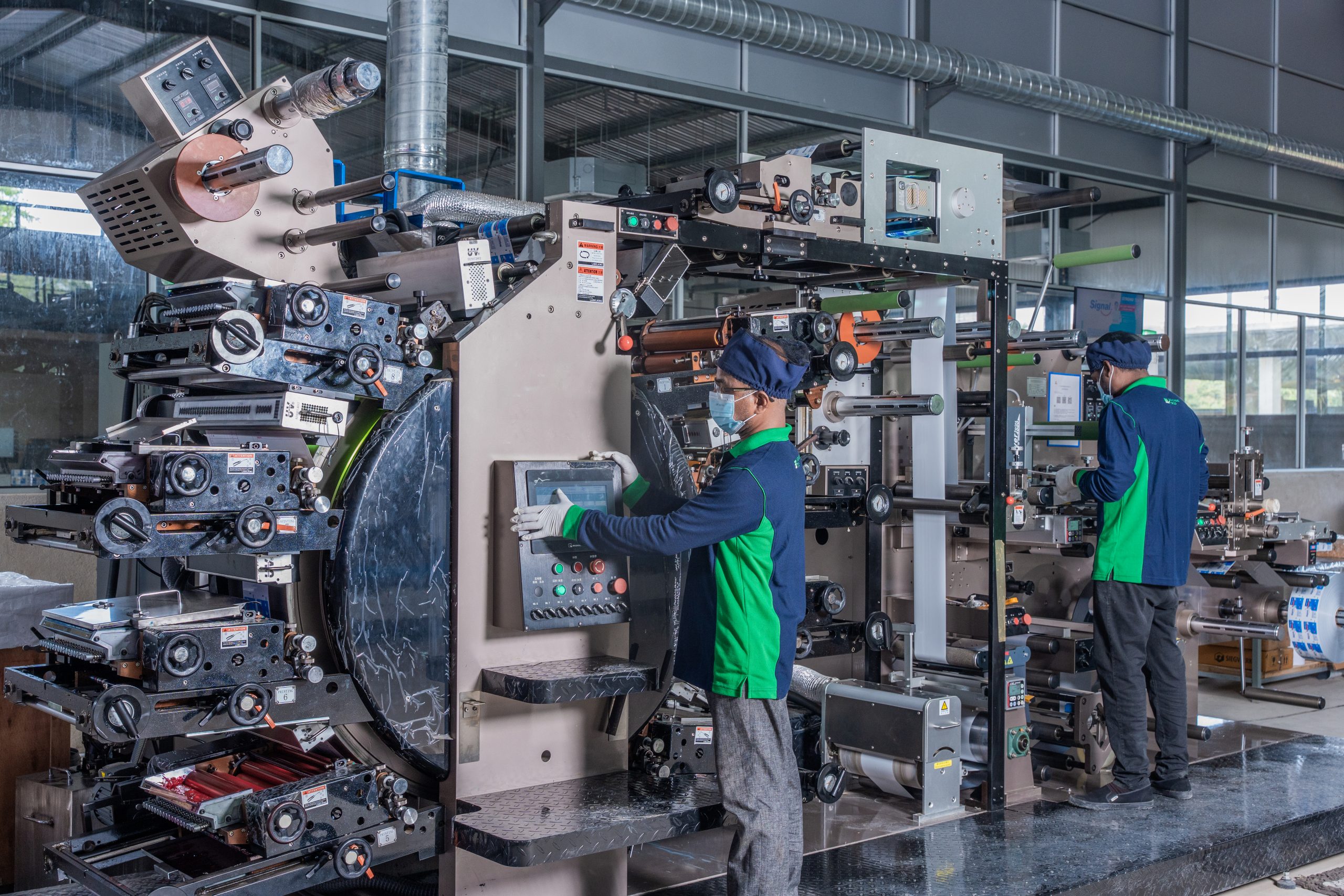
We continue to invest in advanced manufacturing technologies that support packaging innovation and continuous improvement. Our sustainability journey has evolved through initiatives such as the launch of eco-friendly material programmes in 2018 and the introduction of advanced printing capabilities for IML label production in 2025. These developments reflect our commitment to improving manufacturing performance while supporting environmental responsibility.
By continuously evaluating packaging innovations, we help customers benefit from improved resource efficiency, enhanced packaging quality, and reliable production outcomes.
How Does Lightweight Packaging Support Long Term Cost and Emission Reduction Goals?
Lightweight packaging contributes to long term sustainability objectives by reducing material consumption, improving logistics efficiency, and minimising operational waste. These benefits support broader efforts to optimise resources and reduce environmental impact throughout the packaging lifecycle.
As Sri Lanka’s packaging sector continues to evolve, buyers increasingly prioritise manufacturing agility, production consistency, supply reliability, operational transparency, and environmental responsibility. Lightweight packaging innovation aligns with these priorities by supporting both sustainability performance and operational efficiency.
Within the sector of plastic packaging in sri lanka, engineering driven packaging optimisation continues to play a vital role in creating more efficient and sustainable production systems. At JPI, we focus on packaging solutions that balance quality, consistency, and environmental responsibility while supporting the evolving needs of global brands, procurement teams and export focused manufacturers.
Common FAQs
At JPI, lightweight packaging innovation focuses on reducing unnecessary material consumption through engineering optimisation, design refinement, and efficient manufacturing processes. This approach supports resource conservation, waste reduction and improved sustainability while maintaining packaging quality and performance standards.
Brands are adopting lightweight packaging to improve material efficiency, support sustainability goals, and enhance operational performance. Lightweight designs help reduce resource consumption while maintaining product protection, making them a practical solution for long-term environmental and business objectives.
By reducing overall packaging weight, businesses can improve transportation efficiency, simplify handling processes, and optimise supply chain operations. Lightweight packaging can also contribute to better warehouse management and more efficient product movement throughout distribution networks.
Manufacturers face increasing pressure to improve sustainability, reduce waste, and optimise resource utilisation. Reducing packaging material usage supports these objectives while helping organisations improve manufacturing efficiency and maintain responsible production practices.
JPI combines engineering expertise, performance testing, and material optimisation to ensure lightweight packaging continues to meet durability and reliability requirements. This balanced approach helps maintain product protection while supporting sustainability and operational efficiency goals.
Lightweight packaging supports operational efficiency through improved material utilisation, streamlined logistics, and reduced waste. Environmentally, it contributes to lower resource consumption and supports sustainability initiatives that promote responsible manufacturing practices.
Export focused businesses benefit from packaging solutions that support efficient transportation, consistent product protection, and reliable supply chain performance. Lightweight packaging helps improve logistics efficiency while maintaining the quality standards required for international markets.
Engineering optimisation enables continuous improvement through design refinement, material efficiency and performance evaluation. These processes help manufacturers develop packaging systems that balance sustainability objectives, operational requirements, and consistent manufacturing quality.