Evaluating the quality standards of a plastic packaging supplier is a strategic decision that directly impacts product consistency, regulatory compliance, and export readiness. For cosmetic manufacturers and global packaging buyers, supplier performance influences not only packaging quality but also brand reliability in competitive markets.
When assessing plastic packaging in Sri Lanka, businesses must look beyond procurement cost and focus on operational capability. A supplier’s ability to deliver consistent output, maintain traceability and support export requirements defines long term success.
Automation Supported Production Processes
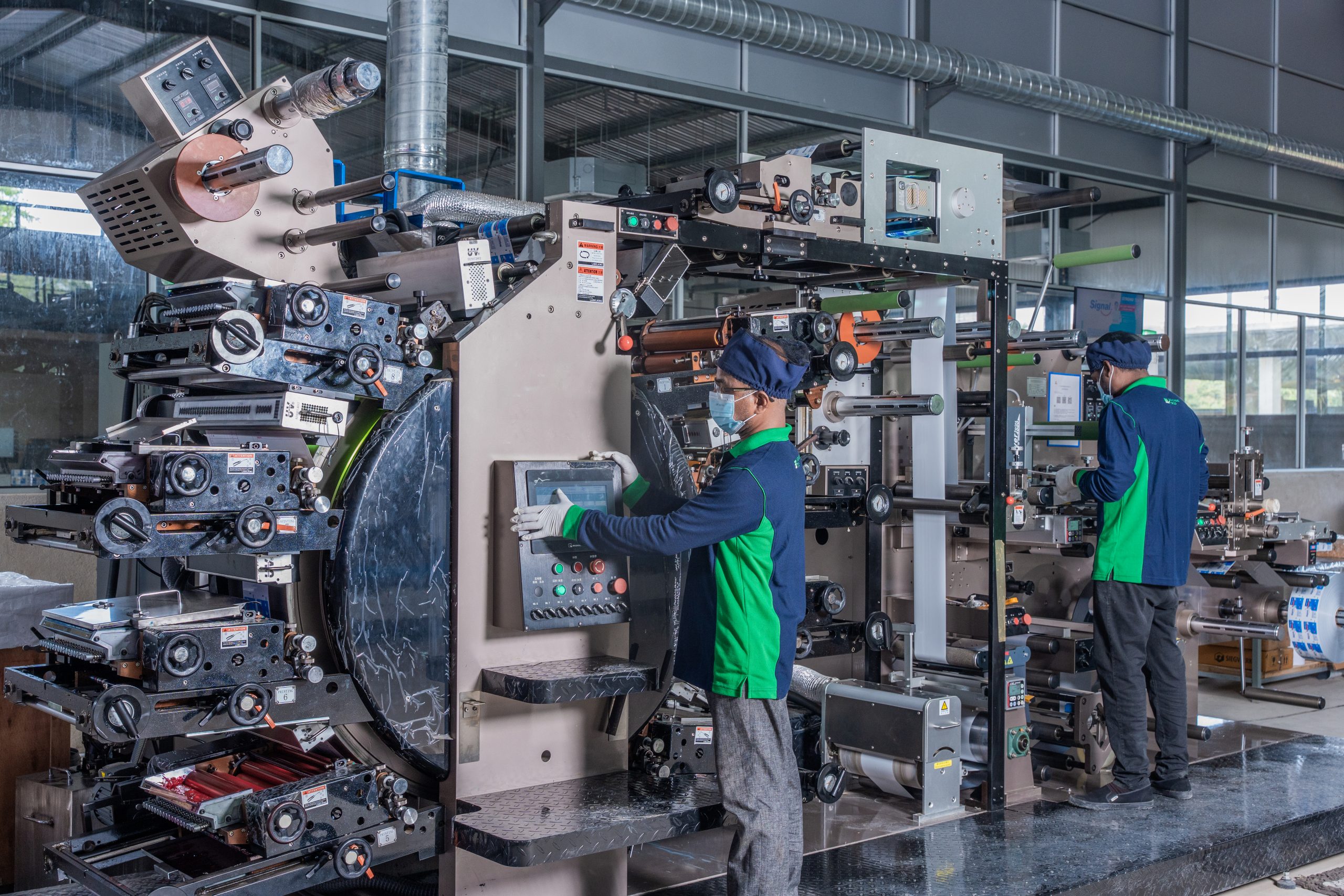
Automation plays a central role in maintaining precision and repeatability in packaging manufacturing. Suppliers that invest in automated extrusion, molding and advanced labeling technologies reduce variability and ensure consistent product quality across batches.
Automated systems improve process control while minimising manual intervention. This results in stable production cycles and predictable outcomes, which are essential for cosmetic packaging applications.
We continue to invest in advanced manufacturing technologies to enhance accuracy and efficiency. Our automated production lines support both high volume orders and low MOQ requirements, enabling emerging brands and growing local companies to access reliable packaging without compromising quality.
Transparent Manufacturing Traceability
Traceability is a key component of quality control systems. A capable supplier should provide full visibility into material sourcing, production stages and final output.
Transparent manufacturing systems allow quick identification of deviations and support compliance with international standards. This level of accountability is critical for export ready packaging and builds confidence among global partners.
At JPI, we maintain structured traceability systems that track each stage of production. This ensures operational transparency and allows our partners to verify consistency and compliance throughout the manufacturing process.
Reduced Operational Waste Across Production Cycles
Efficient production processes directly reflect a supplier’s operational discipline. High waste levels often indicate inconsistent systems and poor process control.
Suppliers that optimise material usage and streamline workflows achieve better yield and cost stability. This becomes especially important in managing exposure to dollar fluctuations, where local sourcing offers a more stable alternative to importing packaging.
By focusing on lean manufacturing principles, we reduce operational waste while maintaining consistent output quality. This approach supports both cost efficiency and environmental responsibility across production cycles.
Export Ready Documentation Systems
Strong documentation systems are essential for suppliers serving international markets. Export partners require accurate records for material specifications, compliance standards, and production data.
A supplier with well structured documentation processes can reduce delays, support audits and ensure smooth entry into global supply chains. This capability is a clear indicator of operational maturity.
We support international partners through reliable packaging production backed by export-ready documentation systems. Our processes are designed to meet global compliance requirements and facilitate seamless market access.
Consistent Packaging Output Across Batches
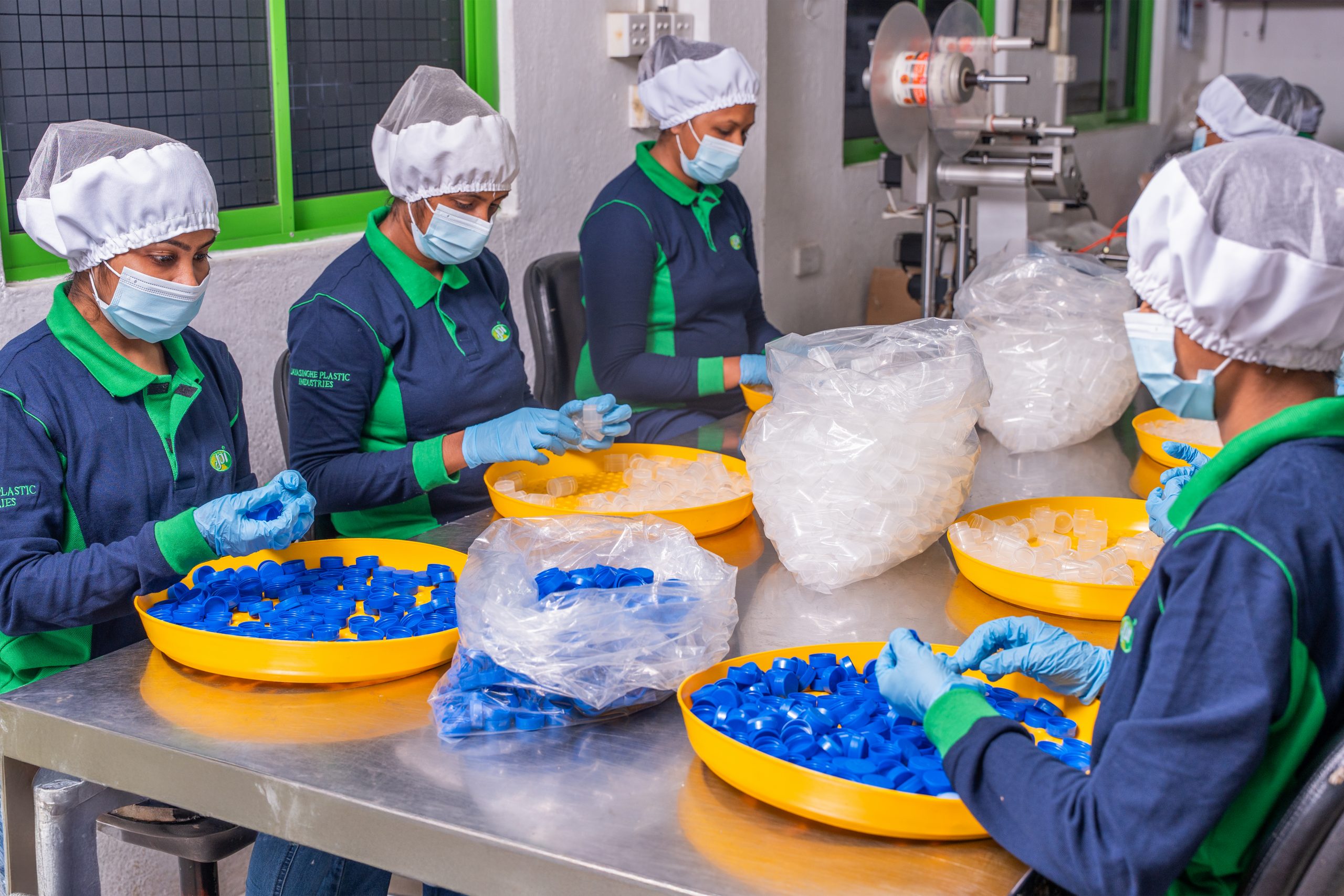
Consistency is the foundation of quality in packaging manufacturing. Suppliers must deliver uniform products across multiple production cycles without variation in form, function, or appearance.
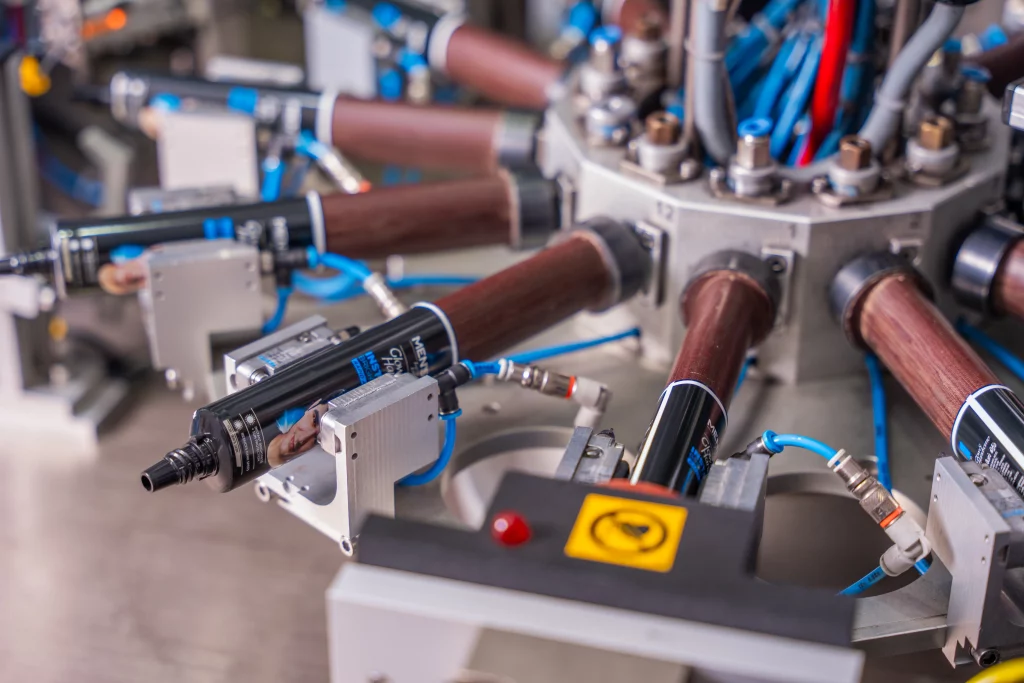
This is particularly important in cosmetic packaging, where precision and visual consistency influence brand perception. Capabilities such as cosmetic tubing production demonstrate a supplier’s broader expertise and ability to manage complex manufacturing requirements.
We design our processes to support global supply requirements by ensuring consistent packaging output across all batches. This level of reliability allows brands to maintain quality standards across different markets, while also supporting low minimum order quantities for emerging businesses.
Local manufacturing further supports cost stability by reducing exposure to currency fluctuations, while enabling upcoming companies to access reliable packaging solutions without the constraints typically associated with large scale production.
When evaluating plastic packaging in Sri Lanka, consistency should serve as a primary benchmark for supplier capability.
Industry Perspective: Moving from Certification to Capability
The packaging industry is shifting from certification based evaluation to capability driven assessment. While certifications remain relevant, they do not fully reflect a supplier’s day to day operational performance.
Buyers now prioritize suppliers who demonstrate process discipline, transparency, and consistent output. In Sri Lanka, this shift is becoming more evident as demand grows for partners who can meet international expectations.
Global buyers increasingly assess operational maturity rather than relying solely on documentation. They look for suppliers who can prove reliability through structured systems and measurable performance.
Strengthening Packaging Quality Standards
Evaluating a plastic packaging supplier requires a comprehensive understanding of manufacturing capability. Businesses must assess automation, traceability, waste management, documentation systems and production consistency to ensure reliable outcomes.
Strong quality systems support long term supplier relationships and enable brands to scale with confidence. Consistent production processes build trust and ensure that packaging meets both local and international standards.