Cosmetic shelves are crowded, and customers decide in seconds. Shoppers judge a product by its pack before they test the formula, so packaging has become one of the strongest tools for brand recognition. At the same time, cosmetic brands face shorter launch cycles, stricter quality expectations, and rising demand for responsible materials. Smart packaging design answers all three pressures at once. As one of the plastic manufacturers in Sri Lanka supporting cosmetic and personal care clients, we at JPI see how design and manufacturing capability decide which brands stand out.
What Makes Packaging “Smart” in Cosmetics?
Smart cosmetic packaging works harder than a standard container. It protects the formula, dispenses the right amount, looks distinctive, and reaches the market quickly. The word “smart” here describes design that solves several problems together, not technology for its own sake.
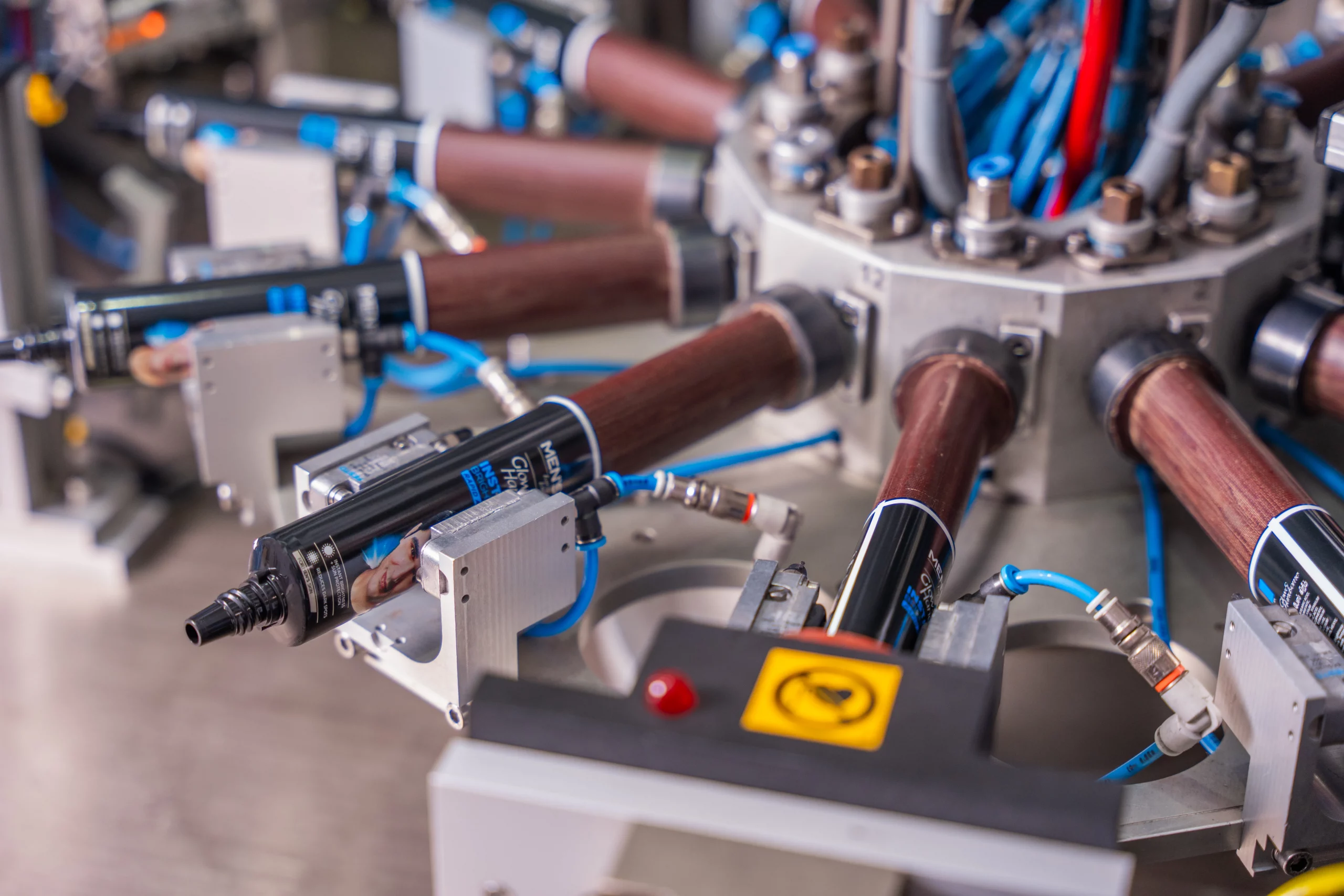
In practice, this means choosing tube shapes, caps, and barrier structures that match the product. A lightweight laminate tube suits a hand cream, while a firm tube with a precise nozzle suits a serum. At JPI, we produce cosmetic packaging tubes using ABL and PBL tube manufacturing, which we introduced in 2020, so brands can match structure to formula without outsourcing.
How Can Brands Balance Functionality and Design?
Brands balance functionality and design by treating them as one brief, not two. A beautiful tube that leaks, clogs, or squeezes badly damages trust faster than a plain one. Customers remember how a product feels in the hand every day.
Good practice starts early. Our team reviews wall thickness, closure fit, and dispensing performance alongside print and finish choices during development. Customization then builds on this foundation: brands can differentiate through embossing, foil, custom molds, and decorative print without weakening performance. In-house mold making keeps changes fast and tolerances tight, so a distinctive shape remains consistent from the first run to the hundredth.
How Do In-Mold Labeling and Sustainability Add Value to Cosmetic Packaging?
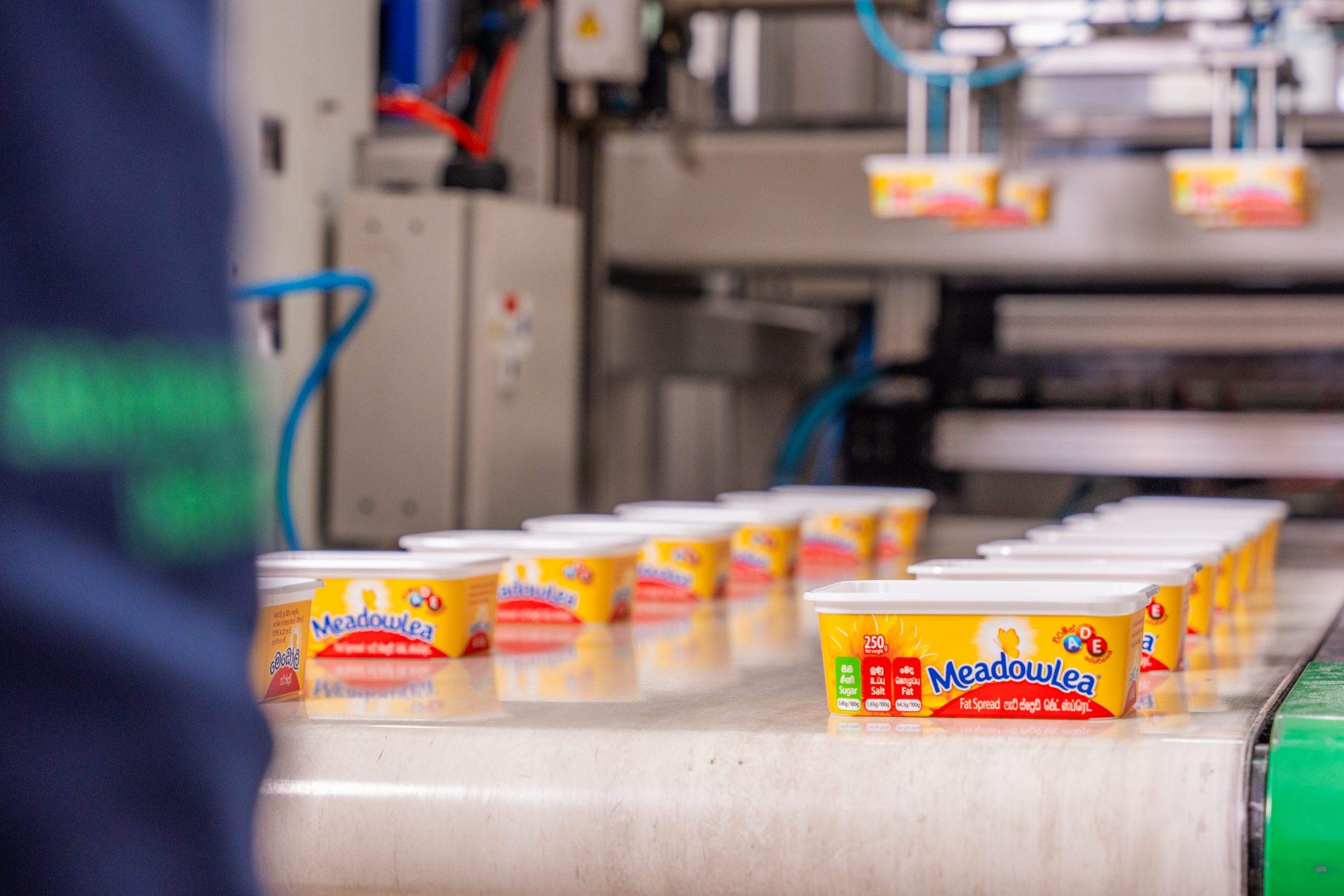
In-mold labeling (IML) fuses a printed label into the container during molding, which produces a durable, scratch-resistant, full-color finish that supports a premium look. Because the label becomes part of the pack, it resists moisture and handling wear, which matters for products used in bathrooms and bags.
IML also supports sustainability. When label and container share the same polymer family, the pack can be easier to recycle, and a separate adhesive label is unnecessary. PlasticsToday reports that the industry now pairs IML with certified renewable polymers for exactly this reason. We began producing IML labels with advanced printing machines in 2025, and our eco-friendly material initiatives date back to 2018. We continue to evaluate material innovations that help cosmetic brands meet their sustainable packaging goals without losing visual impact.
How Do Color, Texture, and Consumer Psychology Shape Cosmetic Packaging?
Color and texture tell customers what a product promises before they read a word. Soft matte finishes suggest gentle, natural care. Glossy surfaces and metallic accents suggest luxury and performance. Bright colors signal energy and fun, while muted tones signal calm and simplicity.
Texture matters just as much, since customers touch cosmetic packaging every day. A smooth tube shoulder, a ridged cap, or a soft-touch finish creates a physical memory of the brand. Manufacturing precision keeps these cues reliable: if color shifts or finish quality varies between batches, customers notice, and trust drops. Consistent print registration and controlled processes protect the impression the brand designed.
How Do Speed, Agility, and Design Experience Build Long Term Loyalty?
Speed and agility turn good design into market success, because cosmetic trends move quickly and a late launch can miss the moment. Loyalty then follows from a design experience that stays consistent: customers who enjoy opening, using, and recognizing a pack come back for it.
Emerging brands often need small runs to test new products. Low MOQ manufacturing lets them trial designs, check market response, and scale gradually without holding excess stock, an approach we explain in our guide to low MOQ support. Local production also supports procurement consistency and planning reliability, since buyers depend less on long import lead times.
Sri Lanka’s packaging sector continues to grow more capable of serving cosmetic brands, and buyers now evaluate plastic manufacturers in Sri Lanka on manufacturing agility, production consistency, supply reliability, operational transparency, and design collaboration, not price alone. At JPI, we focus on packaging solutions that balance design, consistency, and manufacturing reliability, so each launch delivers the same experience customers expect.
Partner with us at JPI to access reliable packaging solutions that strengthen your brand identity, presentation, and long term market success.
Frequently Asked Questions
What makes cosmetic packaging “smart”?
Smart cosmetic packaging combines protection, accurate dispensing, distinctive design, and fast delivery in one solution. It matches tube structure, closure, and finish to the formula, so the pack performs well in daily use while still helping the brand stand out on the shelf.
How do cosmetic packaging tubes help brands differentiate?
Tubes offer many ways to stand out, including shape, nozzle style, cap design, color, embossing, foil, and print. Custom molds and finishing options let brands create a recognizable look while keeping dispensing performance and product protection dependable across every production batch.
Why does functionality matter as much as design in cosmetic packaging?
Customers use cosmetic packaging every day, so leaks, clogs, or poor dispensing damage trust quickly, even when the design looks excellent. Balancing structure, closure fit, and dispensing performance with visual appeal ensures the pack delights customers long after the first impression.
What is IML and why do cosmetic brands choose it?
In-mold labeling fuses a printed label into the container during molding, creating a durable, scratch-resistant, full-color finish. Cosmetic brands choose it for premium appearance, resistance to moisture and wear, and easier recycling when label and container share compatible polymers.
How do color and texture influence cosmetic purchase decisions?
Color and texture signal product personality before customers read the label. Matte finishes suggest gentle care, while glossy or metallic surfaces suggest luxury. Consistent color and finish across batches protect these signals and help customers recognize and trust the brand.
How can low MOQ support help new cosmetic brands launch faster?
Low MOQ manufacturing lets new brands produce smaller runs to test designs and market response without holding excess inventory. They can adjust packaging based on real feedback, then scale production gradually as demand grows, which reduces launch risk and speeds time to market.
How does sustainable packaging support cosmetic brand loyalty?
Customers increasingly favor brands that act responsibly. Recyclable structures, efficient material use, and IML decoration signal shared values, which strengthens emotional connection and repeat purchase while helping cosmetic brands meet buyer and retailer sustainability expectations.
How does JPI balance design, consistency, and reliability for cosmetic brands?
At JPI, we combine in-house mold making, tube manufacturing, advanced printing, and documented quality checks. This lets us support creative brand requirements while keeping color, finish, and structure consistent from the first order through repeat production runs.