“Eco-friendly” gets printed on a lot of packaging these days, but the label alone doesn’t tell CSR-conscious brands and procurement managers much. For buyers who need to justify sourcing decisions to their own customers, investors, or sustainability audits, the real question isn’t whether packaging claims to be green ,it’s whether it’s genuinely built that way, from raw material through to disposal.
This article breaks down what actually makes eco-friendly plastic packaging sustainable: the materials used, the practices behind production, and the certifications that separate real sustainability from marketing language.
Virgin vs. Recycled Plastic: Where Sustainability Starts?
The single biggest factor in how sustainable a piece of plastic packaging really is comes down to its raw material source.
Virgin plastic is manufactured directly from petrochemical feedstocks like crude oil or natural gas. It offers consistent quality and is still the industry standard for applications requiring strict purity, such as food-grade or medical packaging. But its production is resource- and emissions-intensive from the start, extraction, refining, and polymerisation all carry a significant environmental cost.
Recycled plastic, by contrast, is reprocessed from previously used material — either post-industrial scrap or post-consumer waste like used bottles and containers. A lifecycle emissions comparison from materials specialist Tradepro breaks down why the gap between the two is so consistent across studies: virgin production starts with energy-intensive petroleum extraction, refining, and polymerization, while recycled plastic begins with lower-energy collection and reprocessing of material that already exists. That difference in starting point is what drives most of the emissions gap between the two material types, regardless of which specific resin is being compared.
That said, recycled content isn’t automatically the right answer for every application — it can carry more variability in mechanical performance, which is why responsible manufacturers assess material choice per product rather than defaulting to a blanket policy.
In-House Practices That Drive Real Sustainability?
Material sourcing is only half the picture. What happens on the factory floor matters just as much. Genuinely sustainable manufacturers build practices like:
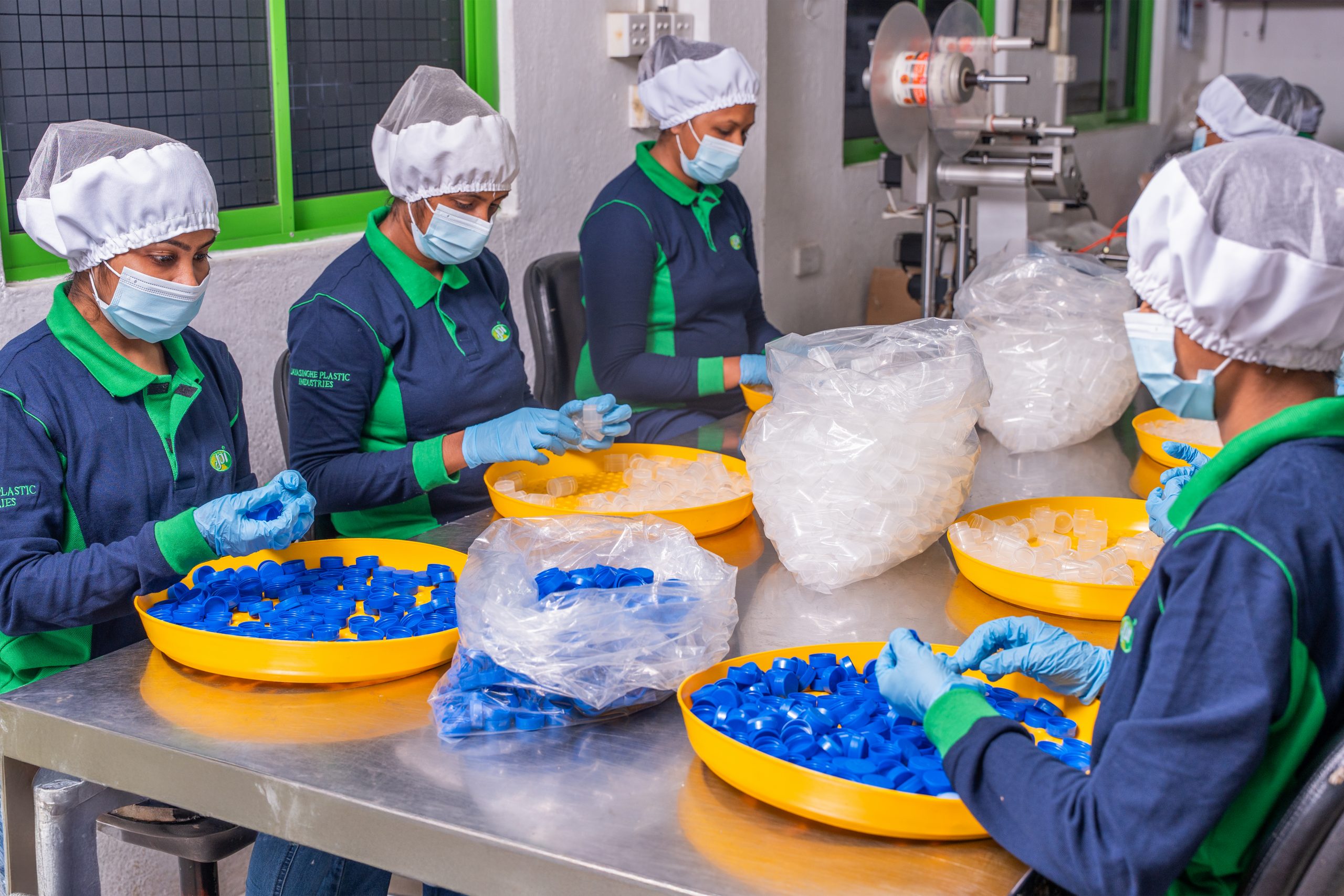
- Waste minimisation – capturing and reprocessing production scrap rather than sending it to landfill
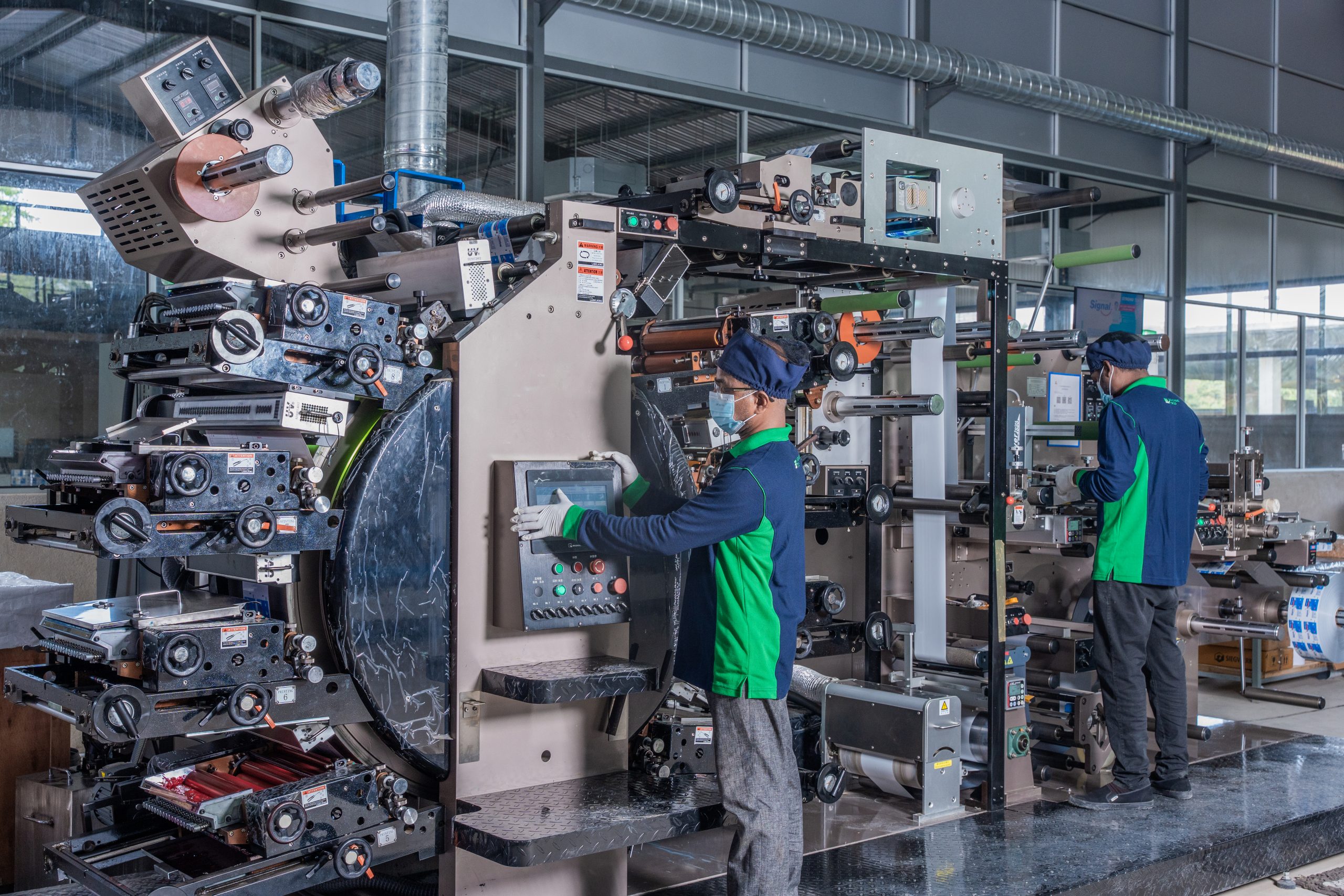
- Energy-conscious production – optimising machinery and processes to reduce energy consumption per unit produced
- Water and resource management – controlling usage in processes like cooling and cleaning
- Supplier vetting – sourcing raw materials from suppliers who can document their own environmental practices
These aren’t abstract commitments — they’re operational choices that show up in a facility’s actual environmental footprint, not just its marketing copy.
Recyclability Factors Buyers Should Understand
Not all plastic packaging is equally recyclable, even when it’s labeled that way. Recyclability depends on several factors that CSR-conscious buyers should ask about directly:
- Material type – single-material (mono-material) packaging is generally easier to recycle than multi-layer or mixed-material structures
- Contamination – inks, adhesives, and coatings can make otherwise recyclable plastic difficult to process
- Local recycling infrastructure – packaging that’s technically recyclable may still end up in landfill if the destination market lacks the facilities to process it
- Design for recyclability – features like easy-to-remove labels or mono-material caps can significantly improve real-world recycling rates
This context matters because recyclability claims only carry weight when they translate into materials actually being collected and reprocessed. The US Environmental Protection Agency’s data on containers and packaging illustrates the gap well: even though containers and packaging as a category are recycled at a rate of just over half nationally, that figure blends materials like corrugated cardboard – which recycles at very high rates with plastics, which lag far behind.
It’s a useful reminder that “recyclable” and “recycled” are not the same thing, and that local collection and processing infrastructure plays a defining role in whether packaging actually gets a second life.
Certifications and Responsible Sourcing
For buyers evaluating sustainability claims, certification is what turns a stated commitment into something verifiable. Two areas worth checking when assessing a sustainable packaging Sri Lanka supplier are:
- Environmental management certification – a standard like ISO 14001 verifies, through independent audit, that a manufacturer has structured, repeatable systems for managing its environmental impact, energy use, waste handling, resource consumption – rather than relying on informal good intentions that vary by shift or by season
- Responsible sourcing documentation – evidence that raw material suppliers meet defined environmental and labour standards, reducing risk further up the supply chain
Together, certification and documented sourcing give procurement teams something concrete to point to both internally, for their own sustainability reporting, and externally, when their own customers ask where the packaging actually came from. This is the same standard of proof international buyers expect across every shipment, reflected in our export-ready packaging solutions
What This Means for CSR-Conscious Brands?
If your organisation is under pressure to demonstrate genuine sustainability progress, not just report on it. packaging sourcing decisions are a practical place to start. When evaluating eco-friendly plastic packaging suppliers, look for:
- Clear disclosure of virgin vs. recycled material content
- Documented in-house environmental practices, not just stated values
- Realistic recyclability claims tied to your actual target market’s infrastructure
- Verifiable certifications and traceable raw material sourcing
A supplier who can answer these questions with documentation, rather than general assurances, is the kind of partner that makes a sustainability commitment credible rather than cosmetic.
Final Thoughts
True sustainability in plastic packaging isn’t a single feature – it’s the sum of material choice, production practices, recyclability design, and verified certification. For brands and procurement teams under growing pressure to back up their environmental claims, working with manufacturers who can demonstrate all four is what separates genuinely Eco-friendly plastic packaging from packaging that simply says so.
Looking for a packaging partner that can back up its sustainability claims with real practices and certification? Responsible sourcing and verified environmental management are what make sustainable packaging Sri Lanka suppliers a trustworthy choice for CSR-driven brands.