Sustainability in packaging has moved from a compliance requirement to a strategic priority for businesses across cosmetic manufacturing, FMCG, and export driven industries. As global expectations increase, companies are under pressure to ensure that their packaging partners deliver not just claims, but measurable and system driven sustainability. This is particularly relevant in cosmetic packaging, where material selection and production processes directly influence environmental impact.
However, identifying a truly sustainable supplier remains a challenge. Many providers present surface level claims without demonstrating the operational discipline required to support long term sustainability. For decision makers, this creates risk in both brand positioning and supply chain reliability. A structured evaluation approach is therefore essential to distinguish between marketing narratives and genuine manufacturing capability.
At JPI, we recognise that sustainability must be embedded into systems rather than presented as an isolated initiative. Through our expertise in cosmetic tubing, including ABL and PBL formats, and our focus on local manufacturing, we support both international partners and emerging Sri Lankan brands while reducing exposure to dollar fluctuations associated with imported packaging.
Material Transparency and Responsible Sourcing
A key indicator of a sustainable packaging supplier is the level of transparency provided around materials. Responsible sourcing requires clear visibility into the origin, composition, and recyclability of packaging materials. In cosmetic tubing, this is particularly important, as material selection directly affects both product performance and environmental impact.
Suppliers that are committed to sustainability will provide detailed information about material specifications and sourcing practices. This includes the use of recyclable materials and the ability to explain how those materials align with global standards. Vague claims without supporting data often indicate a lack of structured sustainability practices.
At JPI, we manufacture cosmetic tubing solutions aligned with global standards, ensuring that material selection is both responsible and suitable for long term use in cosmetic packaging solutions.
Process Efficiency and Waste Reduction
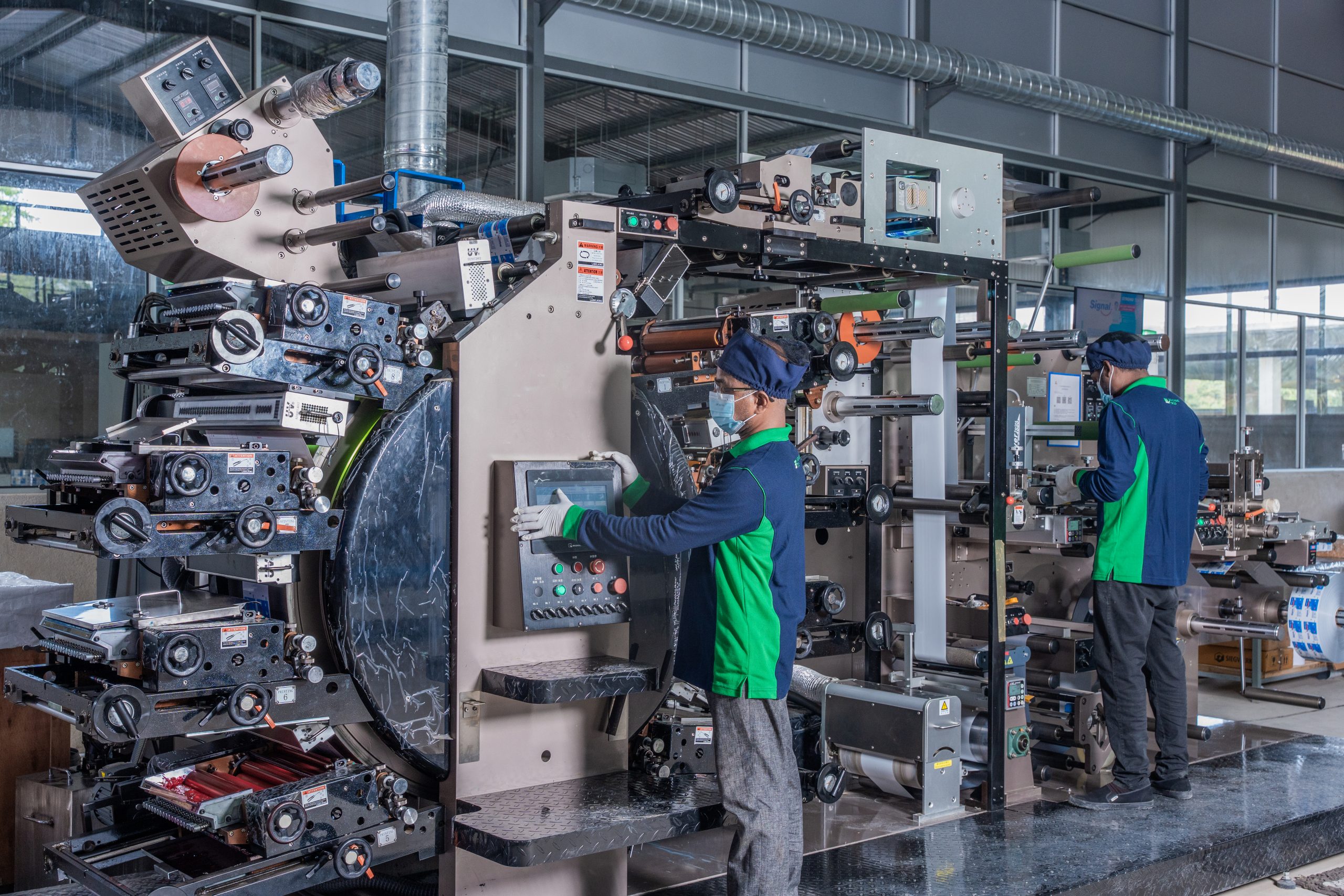
Sustainability is not limited to materials. It is deeply connected to how efficiently those materials are used within the manufacturing process. Advanced production systems that minimise waste and optimise material usage are critical in reducing environmental impact.
Efficient manufacturing reduces excess consumption, improves yield and ensures consistent product quality. This requires investment in advanced technologies and a commitment to continuous improvement. Suppliers that lack process discipline often generate higher levels of waste, undermining their sustainability claims.
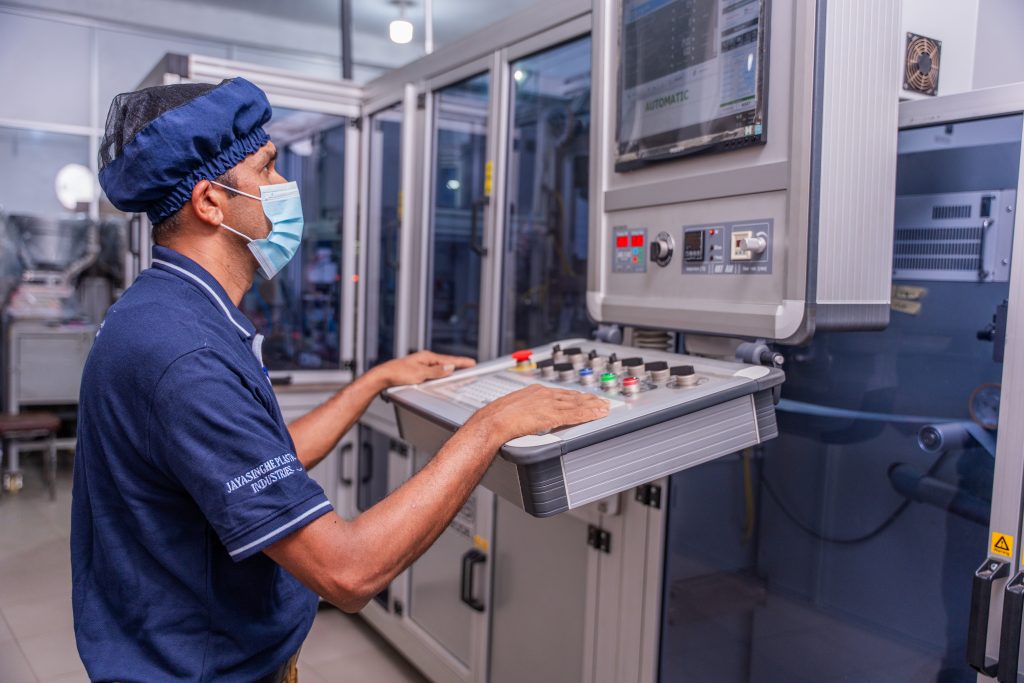
We continue to invest in advanced manufacturing technologies to improve production efficiency and reduce material waste. Sustainability is integrated into our manufacturing systems, ensuring that environmental considerations are part of every stage of production.
Supply Chain Stability and Local Manufacturing Advantage
The stability of the supply chain plays a significant role in sustainability. Heavy reliance on imported packaging introduces risks related to delays, cost fluctuations and increased carbon impact due to transportation. In contrast, local manufacturing offers greater control, faster turnaround times, and improved cost predictability.
In Sri Lanka, this advantage is particularly important due to exposure to currency volatility. Local production reduces dependence on foreign exchange and provides businesses with greater financial stability. This is a critical factor for both established companies and emerging brands seeking consistent supply.
At JPI, we support both international partners and emerging local brands through a strong local manufacturing base. This allows businesses to access sustainable packaging Sri Lanka solutions with reduced exposure to dollar fluctuations and improved operational reliability.
Supporting Emerging and Sustainable Brands
A truly sustainable packaging supplier must also demonstrate the ability to support growth across different stages of business development. Emerging brands often face challenges in accessing high quality packaging due to limited production volumes and resource constraints.
Suppliers that offer scalable partnerships enable these businesses to enter the market with confidence. This includes providing technical guidance, flexible production capabilities, and support for sustainable product development.
At JPI, we are committed to supporting up and coming Sri Lankan brands by providing access to advanced cosmetic packaging solutions and expertise. Our approach ensures that sustainability is accessible not only to large organisations but also to new businesses building their market presence.
Flexible Production and Low MOQ Capability
Overproduction is a significant contributor to waste in packaging. Suppliers that require high minimum order quantities often force businesses to produce more than necessary, leading to excess inventory and material wastage.
Flexible production with low MOQ capability allows companies to align production volumes with actual demand. This is especially important for product testing, pilot launches and small batch production. It supports efficient resource utilisation and reduces unnecessary environmental impact.
We design our processes to support scalable production and low MOQ requirements, enabling businesses to maintain efficiency while minimising waste across both small and large production runs.
Compliance, Traceability and Continuous Improvement
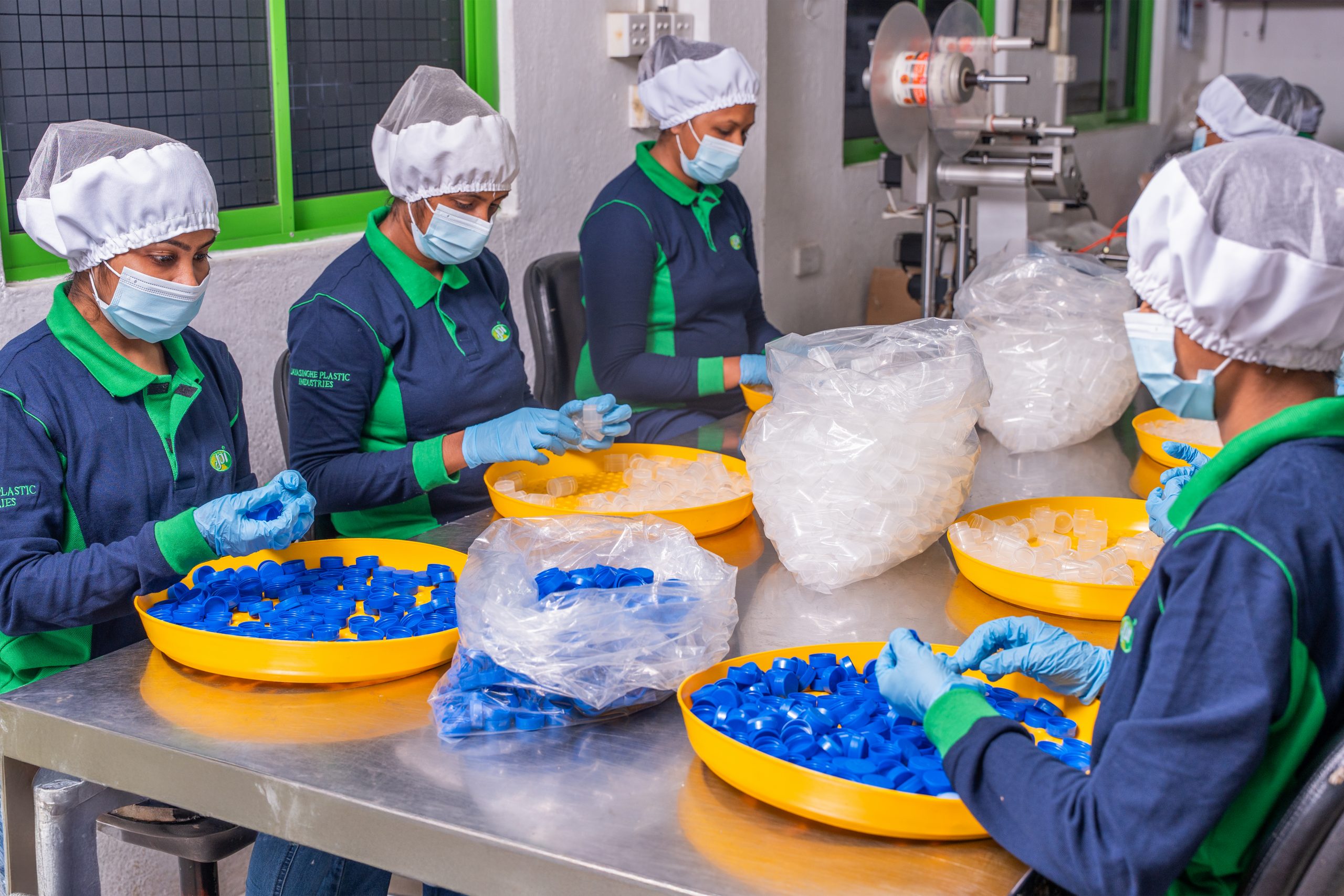
Sustainability requires a structured approach to compliance and traceability. Suppliers must be able to provide clear documentation for materials, production processes, and quality control measures. This ensures that every batch of packaging can be tracked and verified.
Traceability strengthens accountability and supports alignment with global sustainability standards. It also enables continuous improvement by identifying areas where processes can be enhanced over time.
Our sustainability is integrated into our manufacturing systems, supported by strong documentation practices and a commitment to continuous improvement. Our milestones reflect this journey, from introducing ABL and PBL web printing in 2017 to launching eco-friendly material initiatives in 2018 and advancing cosmetic tubing manufacturing capabilities in 2020, with further innovation in advanced labeling technologies planned for 2025.
Industry Perspective: The Shift Toward Capability Driven Manufacturing
Sri Lanka’s packaging industry is undergoing a significant transformation. There is a clear shift from cost driven sourcing toward capability driven manufacturing, where sustainability, efficiency, and reliability are key differentiators.
This evolution is driven by increasing demand from export markets as well as the growth of emerging local brands. Businesses are seeking partners that can provide not only packaging products but also operational stability and long term value.
Local manufacturing plays a central role in this shift by reducing import dependency and limiting exposure to currency fluctuations. At the same time, it supports faster production cycles and greater control over quality and sustainability outcomes. As a result, sustainable packaging Sri Lanka is becoming increasingly defined by systems, processes, and measurable performance rather than marketing claims.
Strengthening Sustainable Packaging Capability
Evaluating a packaging supplier requires a comprehensive understanding of materials, processes, and operational systems. True sustainability is not defined by isolated initiatives but by consistent discipline across every stage of manufacturing.
Businesses that prioritise suppliers with transparent sourcing, efficient production and strong local capabilities are better positioned to achieve long term sustainability goals. The integration of low MOQ production, advanced cosmetic tubing and structured compliance further strengthens this foundation.