In modern packaging manufacturing, production discipline has become one of the most important factors influencing reliability and long term supply performance. Global FMCG brands, cosmetic manufacturers, and export driven product companies are no longer evaluating suppliers based only on production capacity. Instead, they increasingly prioritise predictable output, structured quality management, and stable manufacturing processes.
As supply chains expand across multiple markets, packaging buyers require partners who can maintain consistent product quality across large volumes while meeting strict delivery schedules. This level of reliability can only be achieved through disciplined operational systems that govern production monitoring, quality control, and documentation.
For this reason, plastic packaging companies that prioritise operational discipline are becoming more competitive in global supply networks. At JPI, we recognise that reliable packaging production depends not only on machinery or materials but also on the operational systems that guide daily manufacturing performance.
Daily Operational Controls That Reduce Batch Variability
Batch consistency is essential in packaging manufacturing. Variations in molding temperature, material flow, labeling alignment, or printing calibration can result in inconsistencies that affect product presentation and functionality.
Disciplined manufacturers implement daily operational controls that monitor production conditions in real time. These controls track critical parameters such as machine calibration, material handling procedures, and environmental stability within production areas.
We continue to strengthen disciplined production systems across our manufacturing operations. Our facilities rely on structured daily monitoring practices that allow production teams to maintain consistent output across multiple packaging lines.
This approach helps reduce batch variability while ensuring that packaging produced in the morning meets the same quality standards as packaging produced later in the day. For export oriented brands managing multiple shipments, this level of consistency is essential.
Quality Checkpoints Across Every Production Stage
Quality control systems are most effective when they operate across the entire production cycle rather than only at the final inspection stage.
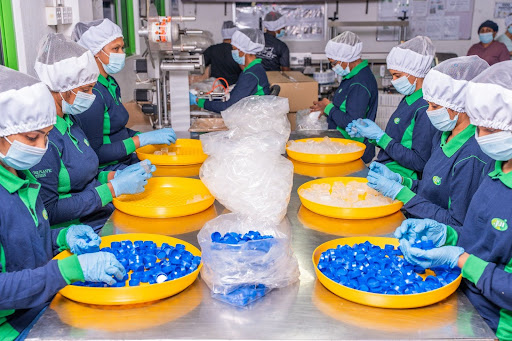
Modern packaging manufacturers implement structured inspection checkpoints throughout molding, labeling, printing, and finishing processes. These checkpoints help detect minor variations before they develop into larger quality issues.
We design our quality control systems to operate at multiple stages within the manufacturing process. Our production teams verify material quality before molding begins, monitor dimensional accuracy during manufacturing, and inspect final packaging surfaces before shipment preparation.
Our investment in advanced molding and printing technologies in 2010 strengthened our ability to maintain consistent packaging standards across production cycles. Later improvements in automated labeling systems introduced in 2015 further improved inspection accuracy by integrating label alignment directly within the molding process.
These layered inspection systems allow manufacturers to maintain product consistency while reducing the risk of defects reaching customers.
Documentation Systems That Support Export Requirements
International buyers increasingly require transparent documentation that verifies manufacturing standards, traceability, and production reliability.
Structured documentation systems help packaging manufacturers track material batches, machine settings, inspection outcomes, and shipment records. These systems support regulatory compliance while also strengthening supply chain transparency for export partners.
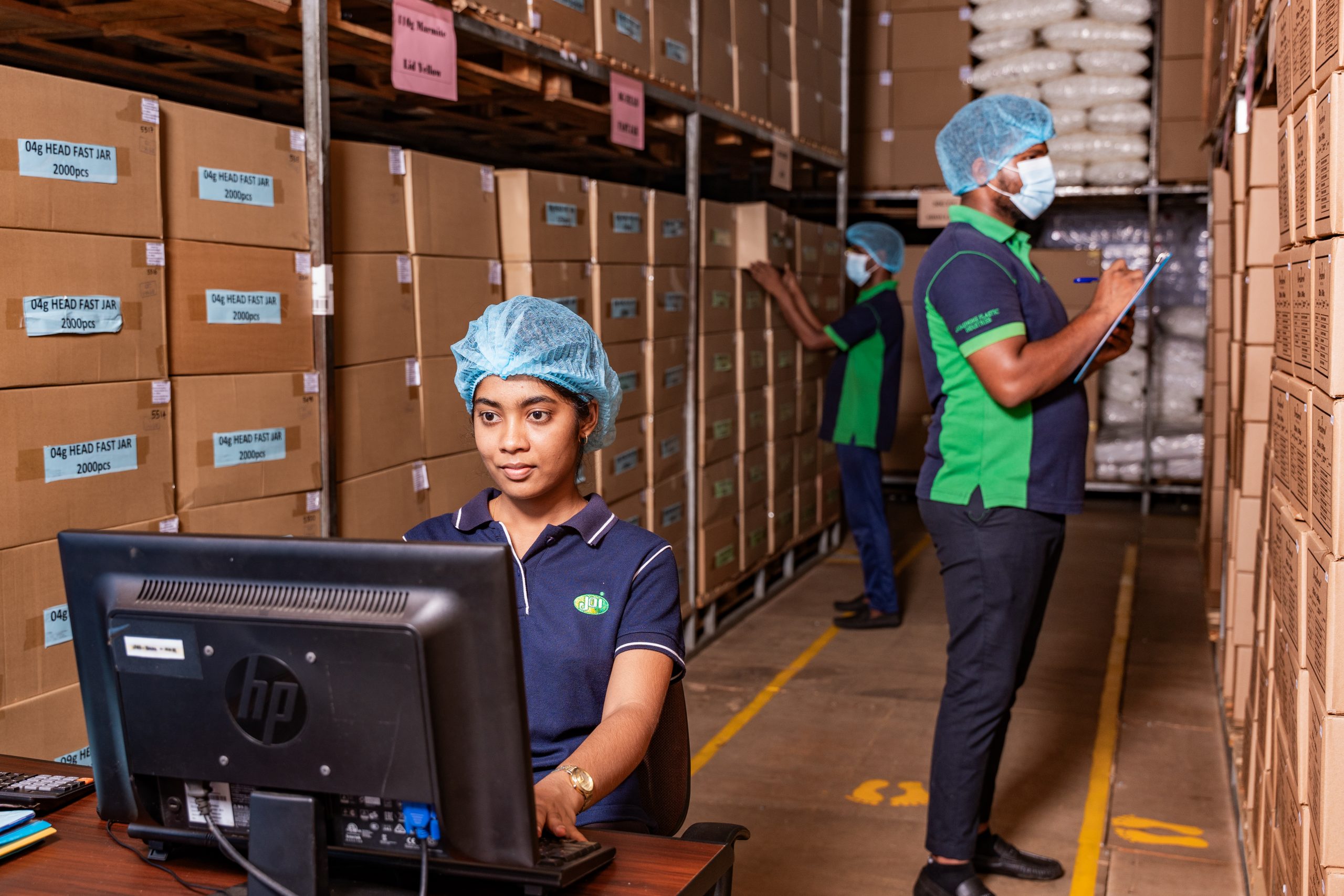
At JPI, documentation plays a critical role in our production discipline. Each stage of packaging manufacturing is supported by structured records that allow production teams to track process performance and identify potential improvements.
Our transition from a small manufacturing facility in Matugama during the 1990s to a high capacity industrial packaging producer by 2000 required the introduction of structured operational systems. These systems remain central to our manufacturing discipline today.
For global procurement managers and international packaging buyers, documentation provides confidence that production quality can be verified and repeated consistently across future orders.
Stable Output Even Under High Volume Pressure
Demand fluctuations are common in packaging supply chains, particularly for FMCG brands launching new products or expanding into additional markets. During these periods, manufacturers must increase output without compromising product quality.
Disciplined production systems help maintain stability even when manufacturing volumes increase. Standardised operating procedures, trained production teams, and structured process monitoring allow facilities to maintain quality standards across extended production runs.
At JPI, we design our processes to support consistent output across high volume manufacturing environments. Our facilities integrate advanced molding systems, automated labeling technologies, and structured production workflows that support stable packaging output during peak demand periods.
The introduction of ABL and PBL web printing technology in 2017 and the expansion into flexible tube manufacturing in 2020 strengthened our production capacity while maintaining operational control. These capabilities allow us to support cosmetic manufacturers, beauty brands, and export oriented FMCG producers that require reliable packaging supply during large scale production cycles.
Integrated Process Monitoring That Prevents Defects Early
One of the most effective ways to maintain production discipline is through integrated process monitoring. By tracking key production parameters across multiple manufacturing stages, packaging companies can detect potential issues before they affect final products.
Monitoring systems typically observe molding conditions, labeling accuracy, printing calibration, and finishing quality. When these systems operate within coordinated production frameworks, they allow manufacturing teams to respond quickly to variations.
We integrate monitoring systems across our packaging production environment to strengthen operational visibility. Advanced manufacturing equipment, combined with structured production oversight, allows our teams to maintain consistent product quality across multiple packaging formats.
In 2025 we began producing In Mold Label labels using advanced printing machines, further strengthening our ability to integrate labeling production with packaging manufacturing. These investments allow us to maintain precise coordination between printing and molding operations while preventing defects early in the production cycle.
The Evolution of Sri Lanka’s Plastic Packaging Manufacturing Sector
Sri Lanka’s packaging industry is gradually shifting from reactive production methods toward structured manufacturing systems that prioritise operational discipline.
In the past, many manufacturers relied on post production corrections to address quality issues. Today, the sector is increasingly adopting preventative operational frameworks that focus on monitoring, process control, and production stability.
Forward looking plastic packaging companies are investing in integrated manufacturing environments where molding, printing, labeling, and finishing operations operate within coordinated quality systems.
This evolution reflects changing expectations among global buyers. Export manufacturers and procurement managers now evaluate packaging partners based on operational maturity, manufacturing transparency, and the ability to maintain consistent production performance.
As Sri Lanka’s packaging sector continues to grow, manufacturers that prioritise disciplined production systems are increasingly positioned as reliable partners for international supply chains.
Building Operational Excellence in Packaging Production
Production discipline has become one of the defining characteristics of successful packaging manufacturers in 2026. Structured operational systems, continuous process monitoring, and coordinated quality control frameworks allow manufacturers to maintain stable output while meeting international performance expectations.
For global brands and export partners, disciplined manufacturing environments provide the reliability required for long term supply partnerships. Packaging quality remains consistent, production documentation supports compliance, and operational transparency strengthens trust between manufacturers and buyers.
At JPI, we continue to refine our manufacturing systems to support operational excellence across packaging production. Through investment in advanced molding technologies, integrated labeling systems, and structured production monitoring, we maintain the stability required for reliable global supply.