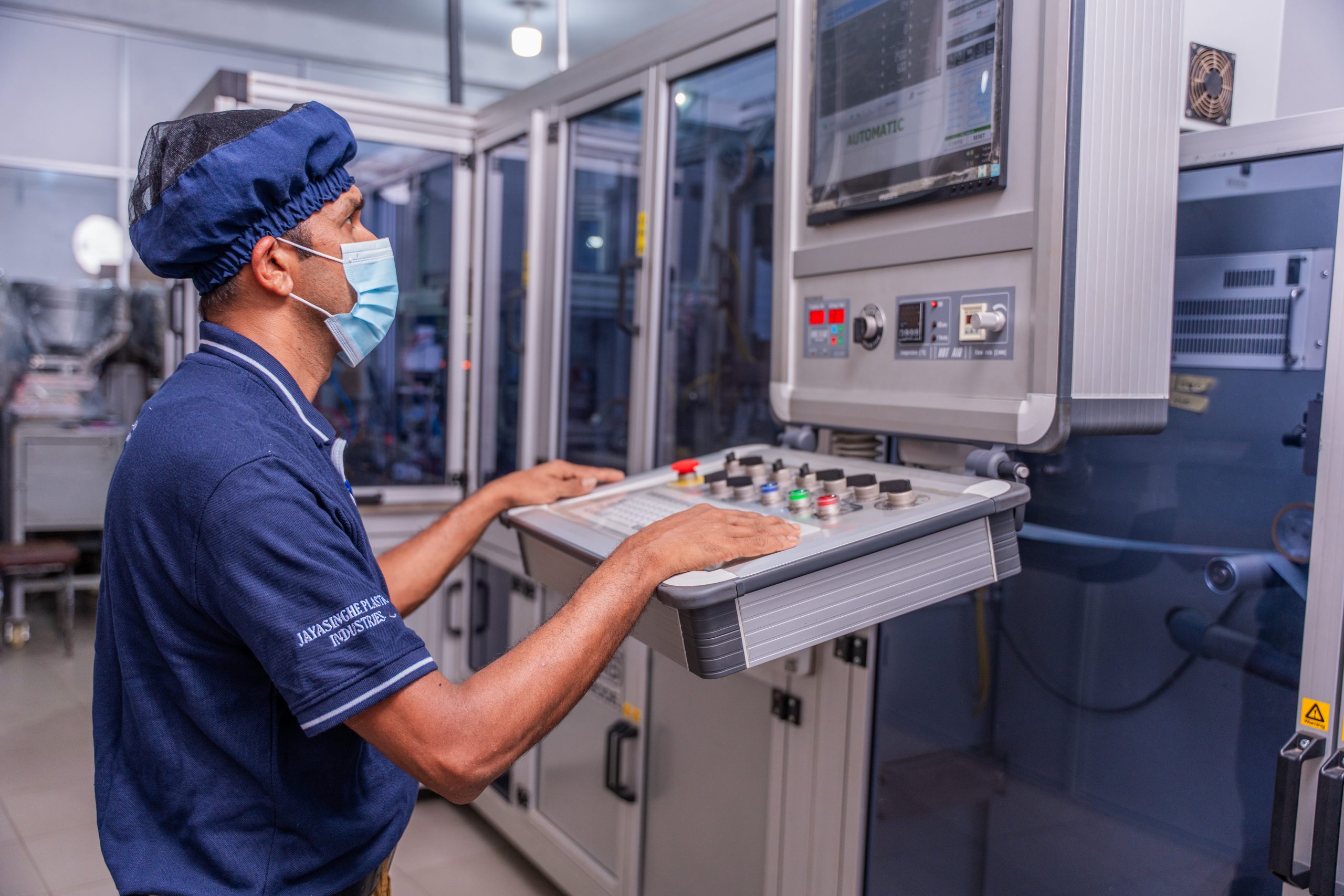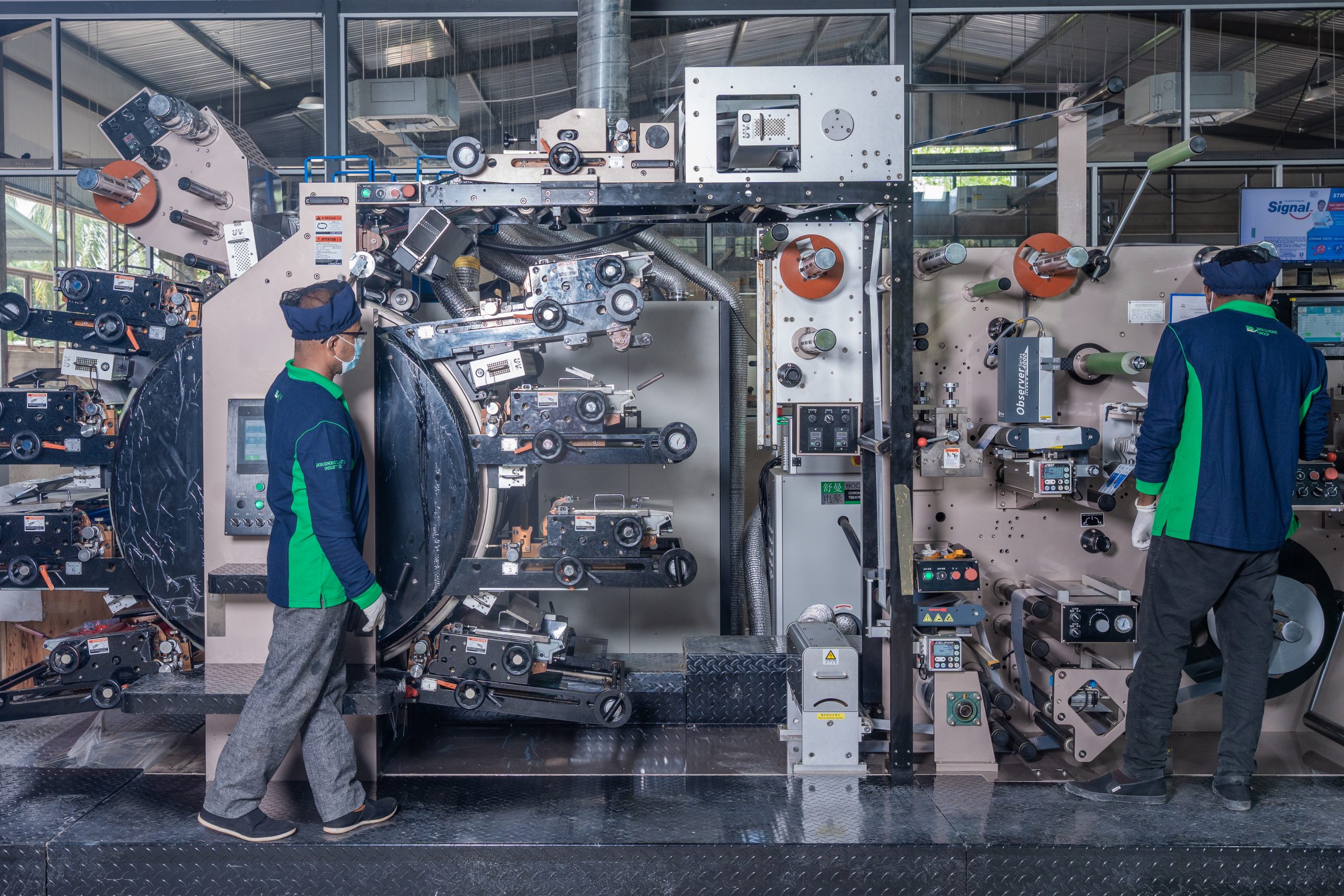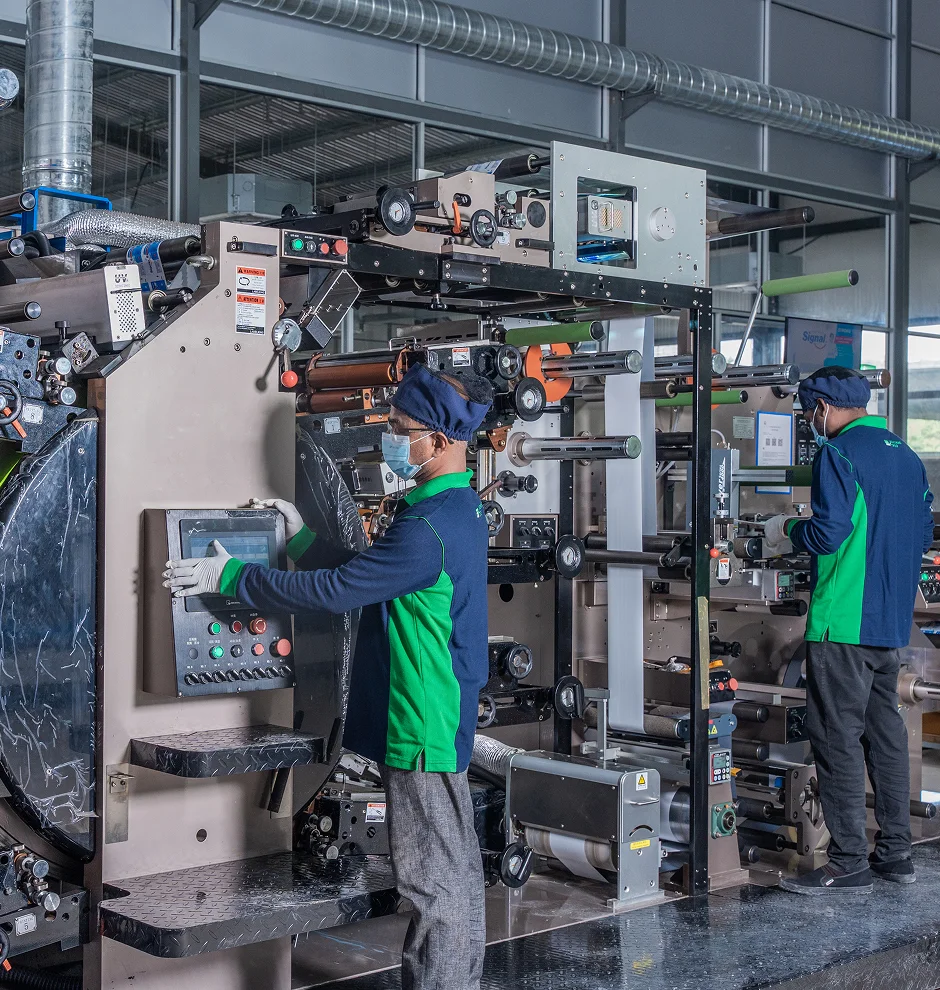
By 2026, competitiveness for plastic can manufacturers in Sri Lanka will be shaped not only by production capacity or equipment investment, but by how reliably manufacturing processes are executed every day. Export buyers and regulators are increasingly looking beyond surface level compliance to assess whether systems are genuinely embedded into operations.
As global supply chains become more risk conscious, process discipline is emerging as a defining signal of manufacturing maturity. The ability to demonstrate controlled and repeatable operations reflects principles described in the Wikipedia overview of process control in manufacturing, where consistency and stability are central to quality assurance at scale. In this environment, process driven manufacturing is no longer optional. It is a commercial expectation.
Moving Beyond Certification Led Compliance
Certifications continue to play a critical role in export participation. At JPI we operate under internationally recognised systems including ISO 22000 and FSSC 22000, which establish strict requirements for food safety, hygiene control, and risk management in packaging operations. These expectations are clearly outlined in the Wikipedia article on ISO 22000, where traceability, operational control, and continuous monitoring are defined as core elements of food safety management systems.
However, certification alone no longer defines readiness. Many audits now focus on how these standards are applied in real operating conditions rather than how they appear in documentation. We move beyond audit driven behaviour by embedding process discipline into everyday production. Quality controls, material handling procedures, and production checks aligned with our certified systems are followed consistently as part of routine operations, strengthening audit outcomes and buyer confidence.
Standardised Production Workflows That Reduce Variability
Within plastic packaging manufacturing, uncontrolled variability remains one of the most common causes of defects, waste, and rework. Process driven environments address this by establishing standardised workflows that define how materials are managed, how machines are set, and how quality is verified at each stage of production.
We apply defined production standards that support the intent of our certification frameworks, ensuring consistency across shifts, batches, and production cycles. This approach aligns with best practices described in ISO guidance on quality management systems, where standardisation is recognised as a key driver of performance stability and operational risk reduction.
Consistent Quality Across Batches and Markets
Export focused buyers expect uniform quality across every shipment. Even minor variations between batches can introduce risk, delay approvals, and weaken long term supplier relationships. Process driven manufacturing addresses this challenge by embedding quality checkpoints directly into production rather than relying solely on end of line inspection.
We maintain consistency by controlling processes continuously in line with certified food safety and quality requirements. This reflects principles promoted in global supply chain standards published by GS1, which emphasise consistency, traceability, and data reliability as prerequisites for international sourcing and long term supplier approval.
Audit Readiness Through Real Operational Control
Audit readiness is increasingly evaluated through operational transparency rather than document completeness alone. Buyers and certification bodies expect to see evidence that certified systems are functioning as intended across daily operations.
We demonstrate compliance through routine production data, traceable records, and consistent process controls rather than reactive documentation. This reduces audit friction, shortens approval timelines, and reinforces confidence among export buyers who require partners to remain audit ready at all times.