Emerging brands entering international markets face a unique set of operational challenges. While product development and market positioning often receive primary focus, packaging systems are frequently treated as a final stage decision. This approach can create significant barriers when businesses begin preparing for export, where compliance, consistency and documentation become critical requirements.
Building structured packaging systems early enables organisations to scale with confidence while meeting regulatory expectations across different markets. In the context of plastic packaging in Sri Lanka, this shift is becoming increasingly important as export standards continue to evolve.
Designing Packaging Systems with Global Compliance in Mind
Export markets impose strict regulatory requirements that vary across regions and product categories. These include material safety standards, labeling specifications, and environmental compliance. When packaging systems are designed without considering these factors, businesses often face delays, rejected shipments, or the need for costly redesigns.
Integrating compliance into packaging design from the beginning ensures that products meet international standards without disruption. This involves understanding regulatory frameworks and aligning packaging manufacturing processes accordingly. By establishing compliance driven systems early, emerging brands can avoid operational setbacks and maintain a smoother path to market entry.
Embedding Traceability and Documentation from the Start
Traceability is a fundamental requirement for export readiness. International buyers and regulators expect clear documentation that tracks materials, production batches, and distribution pathways. Without structured systems in place, maintaining this level of transparency becomes increasingly difficult as production scales.
Embedding documentation processes from the outset supports quality assurance and audit readiness. It enables businesses to respond quickly to regulatory checks and maintain confidence among stakeholders. Advanced labeling technologies and systematic record keeping play a critical role in ensuring that packaging operations remain transparent and reliable across the supply chain.
Selecting Materials that Meet International Sustainability Standards
Material selection is no longer limited to functionality and cost. Global markets are placing greater emphasis on sustainability, requiring brands to demonstrate responsible sourcing and environmentally conscious practices. Packaging materials must align with these expectations to remain competitive and compliant.
Since 2018, our eco-friendly material initiatives have gained traction, influencing both regulatory frameworks and consumer preferences. Selecting materials that meet international sustainability standards enhances brand credibility and supports long term market access. Early alignment with these requirements reduces the need for future adjustments and positions brands as responsible participants in global trade.
Building Quality Systems that Scale with Production Growth
As production volumes increase, maintaining consistency becomes a critical challenge. Without structured quality systems, variations in packaging output can lead to defects, compliance issues, and customer dissatisfaction. These risks are amplified in export markets where standards are strictly enforced.
Investing in quality control systems early ensures that processes remain stable as operations expand. Our manufacturing processes are designed to align with export requirements, enabling consistent output across different production scales. By embedding quality assurance into packaging systems, businesses can support growth without compromising reliability.
Avoiding Costly System Changes During Expansion
Reactive changes to packaging systems can disrupt operations and increase costs significantly. When businesses expand without a structured foundation, they often encounter inefficiencies that require redesigning processes, retraining teams, or replacing materials.
Designing packaging systems with scalability in mind reduces the likelihood of such disruptions. It enables smoother transitions as production increases and market demands evolve. A well planned system minimises the need for rework and ensures that operational efficiency is maintained throughout the growth phase.
Industry Perspective: The Evolution of Packaging in Sri Lanka
The packaging industry in Sri Lanka is undergoing a significant transformation. There is a clear shift from basic compliance focused production towards capability driven manufacturing that prioritises process discipline, traceability, and consistency. This evolution reflects the growing demand for export ready systems that can meet international standards without compromise.
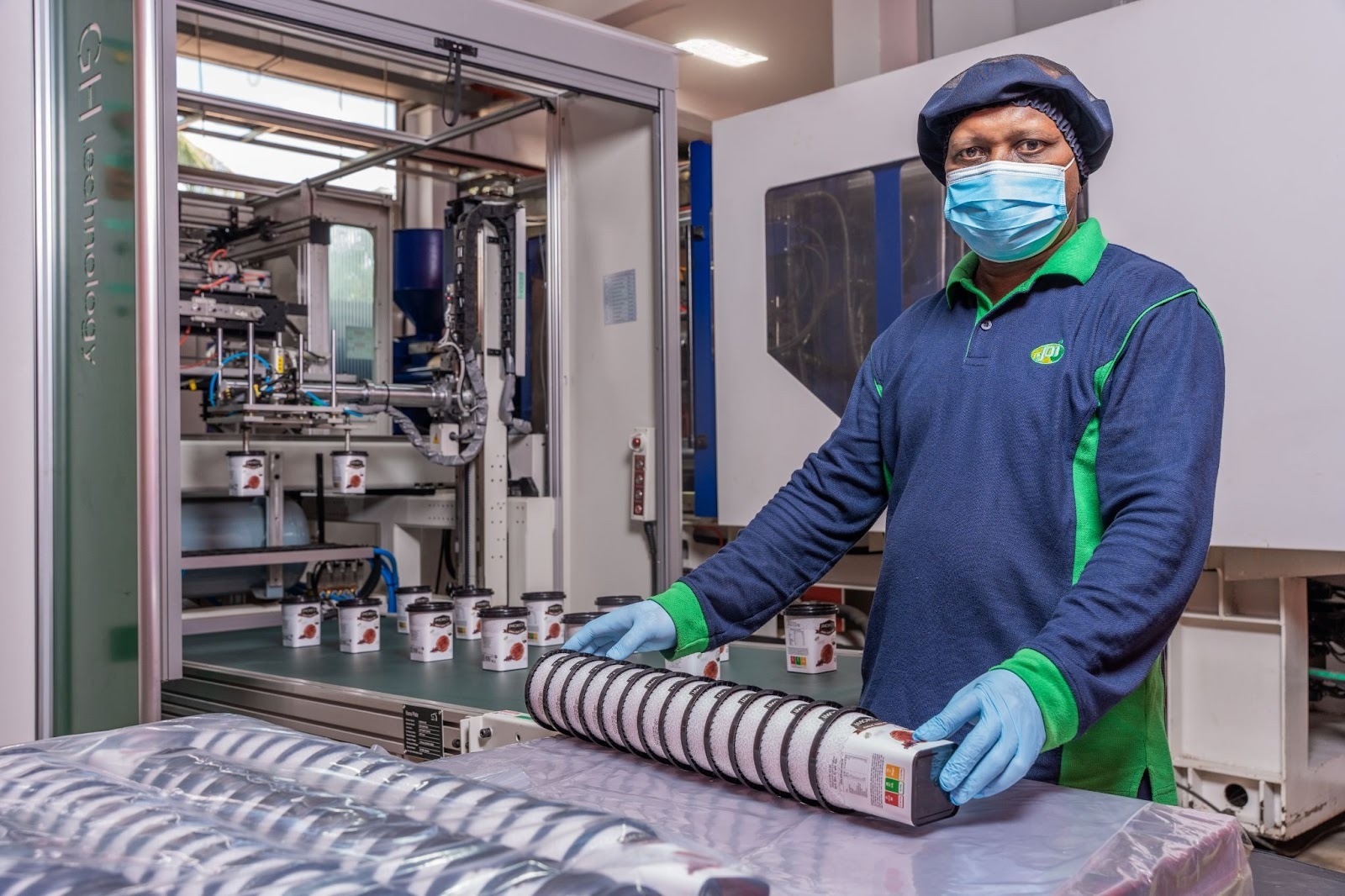
Within the landscape of plastic packaging in Sri Lanka, manufacturers are increasingly investing in advanced systems and technologies to support global market requirements. Businesses are recognising that packaging is not just a functional component but a strategic capability that influences quality, compliance, and brand perception. This shift is shaping a more competitive and resilient industry, capable of supporting export focused growth.
Creating Scalable Packaging Foundations
Building export ready packaging systems requires a proactive and structured approach. Early investment in compliance, documentation, material selection, and quality control creates a strong foundation for scalability. These elements ensure that packaging operations can adapt to increasing demand while maintaining consistency and regulatory alignment.
For emerging brands, the ability to scale without disruption depends on the strength of these underlying systems. Packaging must be treated as an integrated function that supports long term business objectives rather than a reactive process.