Plastic packaging in Sri Lanka is entering a new phase of development. In the past, manufacturers mainly focused on meeting regulatory requirements and maintaining stable production output. Today, the industry is moving beyond basic compliance and placing greater emphasis on operational excellence, manufacturing transparency, and technology driven production systems.
Expectations around packaging have also evolved. Cosmetic manufacturers, beauty brands, packaging buyers, and export partners now require higher levels of consistency and reliability. Instead of focusing only on regulatory standards, buyers expect dependable product quality, well structured documentation practices, and manufacturing systems that support international supply chains.
In response to these changes, the local packaging sector is adopting more advanced production approaches. Companies are integrating automation, strengthening quality monitoring, and improving export readiness. At JPI, we continue investing in modern technologies and operational improvements that support this transformation while helping partners access reliable packaging solutions.
Integration of Automation into Quality Systems
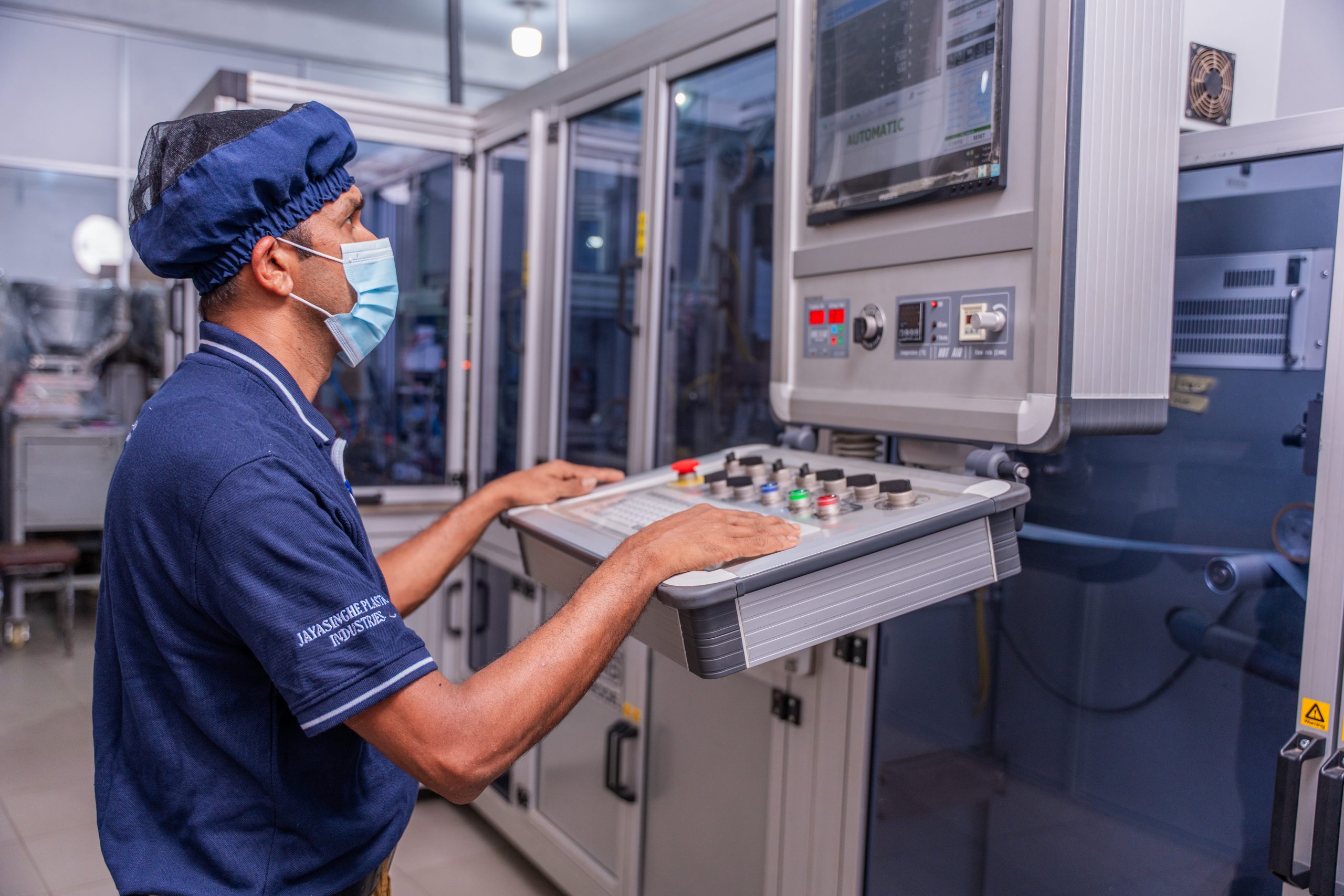
Automation has become an essential component of modern packaging manufacturing. Manual production processes can introduce inconsistencies and reduce operational visibility across manufacturing environments. As global buyers demand greater precision and repeatability, automated systems allow manufacturers to maintain more stable production conditions.
Across Sri Lanka’s packaging sector, automation now supports processes such as molding, printing, labeling, and inspection. These technologies help maintain consistent production output while reducing the likelihood of human error.
At JPI, we have steadily integrated advanced manufacturing technologies into our facilities. In 2010, we introduced modern molding and printing technologies that strengthened product quality and improved production control.
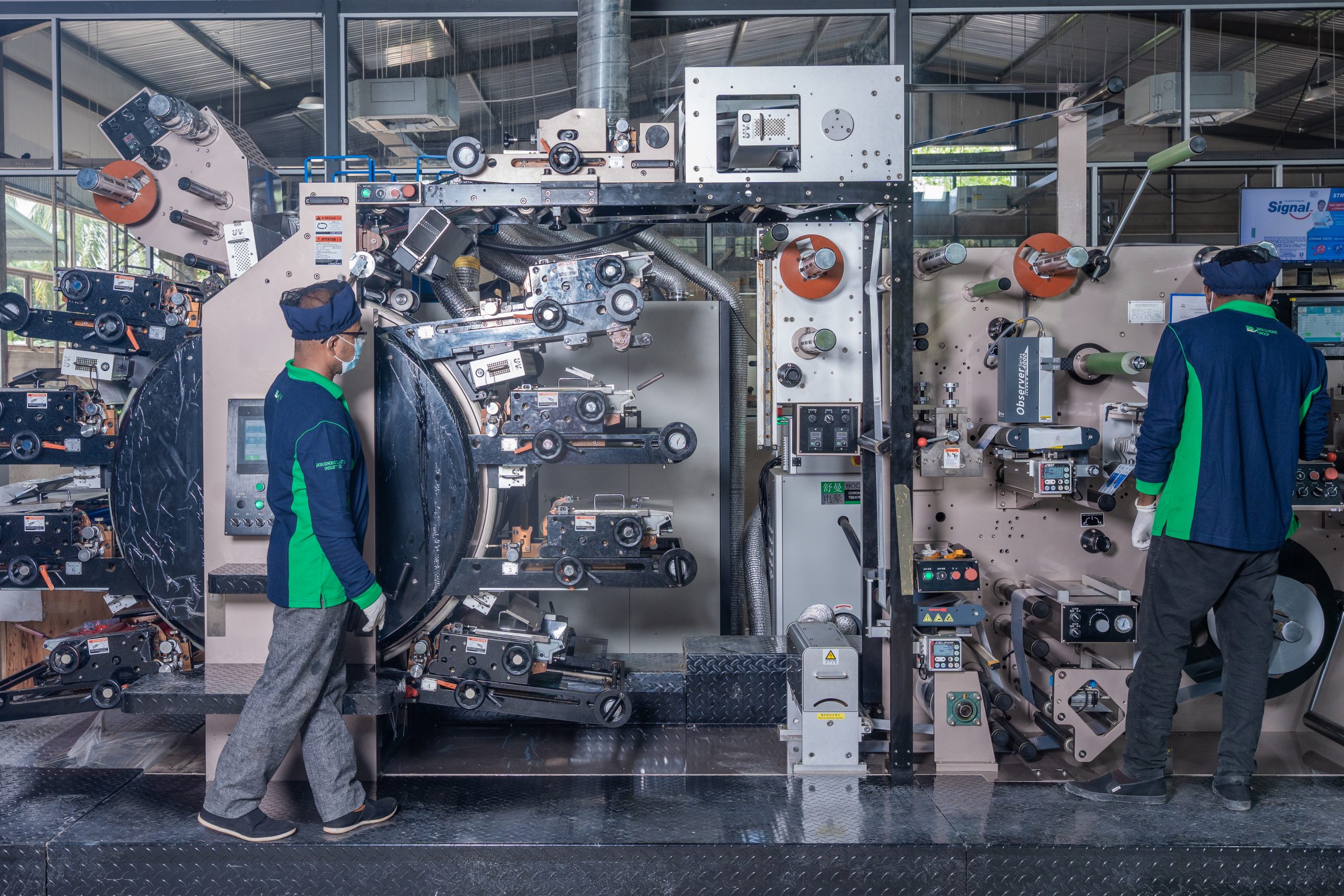
Further technological advancement followed in 2015 with the introduction of an automated In Mold Labelling production line. This development significantly improved labeling accuracy while increasing manufacturing efficiency. It also helped strengthen internal quality control systems across our operations.
Automation provides another important advantage by allowing manufacturers to monitor production performance in real time. This level of visibility helps identify potential issues earlier and maintain consistent product standards throughout the manufacturing process.
Data Backed Manufacturing Transparency
Modern packaging buyers expect greater visibility into how packaging products are manufactured. Transparency has become a key factor in building trust between suppliers and global brands.
Data backed manufacturing systems allow producers to track operational data, monitor quality indicators, and document process consistency. Structured monitoring provides buyers with a clearer understanding of how packaging is produced while ensuring that products meet agreed technical specifications.
Plastic packaging in Sri Lanka is increasingly supported by structured monitoring systems and detailed production documentation. These practices help maintain traceability while providing reliable information across supply chains.
At JPI, we continue strengthening our production systems so partners can rely on transparent manufacturing data and consistent product quality.
Reduced Operational Waste
Efficiency has become another important area of development within the packaging industry. Manufacturing systems that reduce material waste while improving productivity provide both environmental and operational benefits.
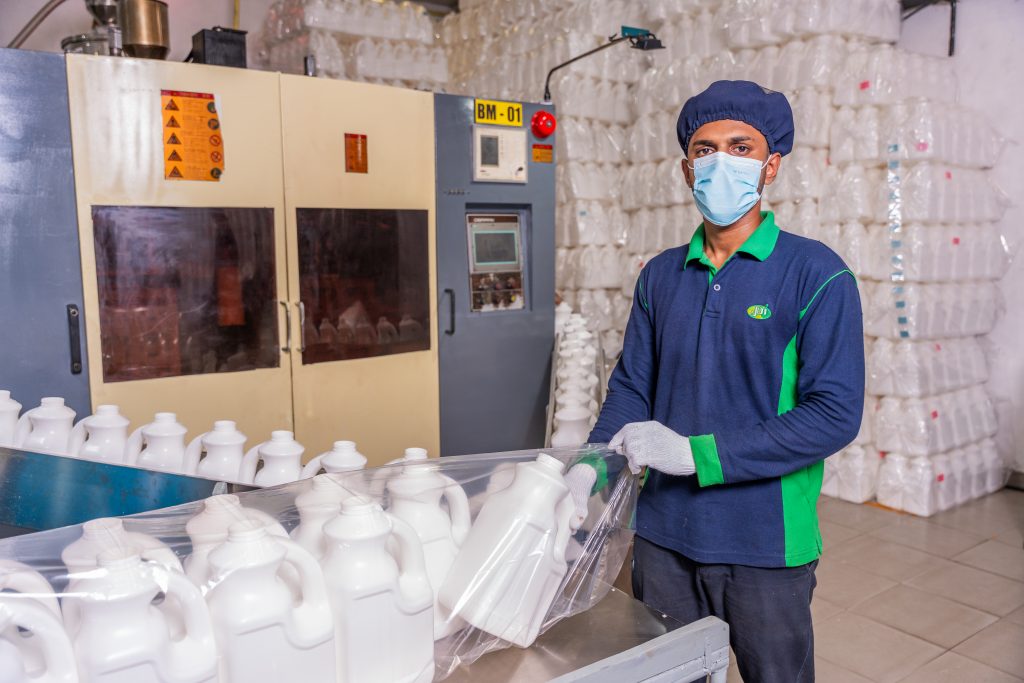
Packaging manufacturers across Sri Lanka are gradually adopting more efficient production practices. Automated machinery, improved process monitoring, and stronger material management systems all contribute to reducing manufacturing waste.
At JPI, operational development has always focused on improving manufacturing performance. In 2018, we introduced eco friendly material initiatives that support more responsible resource use within our packaging production.
By strengthening process control and improving material management, we aim to reduce unnecessary waste while maintaining high product quality.
Reducing operational waste also supports production efficiency and helps manufacturers maintain reliable supply for customers and export partners.
Improved Export Documentation Readiness
Export markets require strict documentation standards. Packaging suppliers must provide accurate product specifications, compliance records, and manufacturing documentation when supplying international buyers.
Without structured documentation systems, manufacturers may experience delays when exporting packaging products to global markets.
Sri Lanka’s packaging industry is increasingly strengthening its documentation practices to align with international supply chain requirements. These improvements ensure that product data, manufacturing records, and compliance documentation are properly maintained.
At JPI, operational processes are designed to support international partners who depend on reliable documentation and consistent supply. Ongoing investments in production systems help ensure that export packaging is supported by accurate records and strong quality control procedures.
Strengthened Cross Border Buyer Confidence
Confidence plays a critical role in global packaging partnerships. Buyers must trust that suppliers can deliver consistent quality, maintain dependable production schedules, and support long term collaboration. Across Sri Lanka’s packaging sector, manufacturers are strengthening this trust through technological development, operational improvements, and greater transparency in production systems.
The progress of companies like JPI reflects the broader development of the packaging industry in Sri Lanka. Our journey began in the 1990s as a small scale manufacturing facility located in Matugama. As demand for reliable packaging solutions increased, we gradually expanded our production capabilities to meet the evolving needs of the industry.
A major milestone came in 2000 when we expanded into high capacity industrial packaging production. This development enabled us to support larger manufacturing requirements and serve a wider range of industrial partners.
Continued investment in technology followed in 2017 with the introduction of ABL and PBL web printing. This innovation marked the first time the technology was introduced in Sri Lanka and strengthened the technical capabilities of local packaging production.
Further expansion occurred in 2020 when we began ABL and PBL flexible tube manufacturing. This step improved our ability to support cosmetic and personal care brands that require reliable packaging solutions for international markets.
Most recently, in 2025, we introduced advanced printing machines for producing In Mold Label products. This advancement further strengthened our manufacturing capabilities and expanded our packaging portfolio.
These milestones demonstrate our long term commitment to strengthening plastic packaging manufacturing in Sri Lanka while supporting the evolving expectations of global buyers.
The Future of Plastic Packaging in Sri Lanka
The packaging industry is no longer defined solely by basic compliance requirements. Today, capability, transparency, and operational discipline are becoming the factors that differentiate industry leaders.
Manufacturers continue evolving through automation, improved manufacturing systems, and stronger supply chain collaboration. These developments allow producers to meet global expectations while maintaining reliable production standards.
At JPI, we remain committed to investing in advanced technologies and responsible manufacturing practices. These efforts help ensure that our partners can rely on consistent, high quality packaging solutions.