As 2026 approaches, food manufacturers face stricter regulatory expectations and higher consumer safety standards. Packaging is no longer just a protective layer. It is a controlled system that directly influences product safety, compliance, and brand trust.
At JPI, we understand that food packaging Sri Lanka operations must move beyond basic packaging compliance. Readiness in 2026 will depend on structured quality systems supported by certified processes, advanced materials, and controlled manufacturing environments.
Packaging Designed to Protect Product Safety and Shelf Life
Food packaging must preserve freshness, prevent contamination, and protect against oxygen and moisture exposure. Barrier properties are critical, especially for sensitive food products.
At JPI, we manufacture bottles and containers using HDPE and PP, with caps and closures in LLDPE, LDPE, HDPE, and PP. Inserts are produced in LDPE to maintain sealing integrity. We integrate oxygen and moisture barrier properties to extend shelf life and maintain product stability.
Our induction seal systems using aluminum seal induction wads and EP liners ensure product safety and freshness. Leak proof designs, tamper evident caps and bands and heat sealed foil lids strengthen product protection throughout distribution.
Compliance With Evolving Food Safety and Export Regulations
Regulatory compliance in 2026 will demand certified systems, documented processes, and traceable material sourcing. Export focused food manufacturers must align with global standards.
JPI operates under HACCP, FSSC 22000 Version 6, ISO 22000 2018, ISO 9001 2015, and SMETA 4 Pillars certifications. These frameworks ensure structured control over production, hygiene and quality documentation.
For food packaging Sri Lanka manufacturers serving export markets, these certifications are not optional. They are essential foundations for international market access.
Traceability Systems That Support Recalls and Audits
Traceability is a core component of manufacturing readiness. Packaging systems must allow batch level tracking and documentation that supports audits and recall management.
At JPI, we conduct functional testing including leak proof validation, drop tests, UV blocking assessments, chemical compatibility testing, swab testing, air quality control, and scuff and abrasion testing. These controls ensure that packaging performance is verified and recorded.
This structured traceability supports rapid response in the event of quality investigations, strengthening manufacturer reliability.
Consistent Quality Across High Volume Production Runs
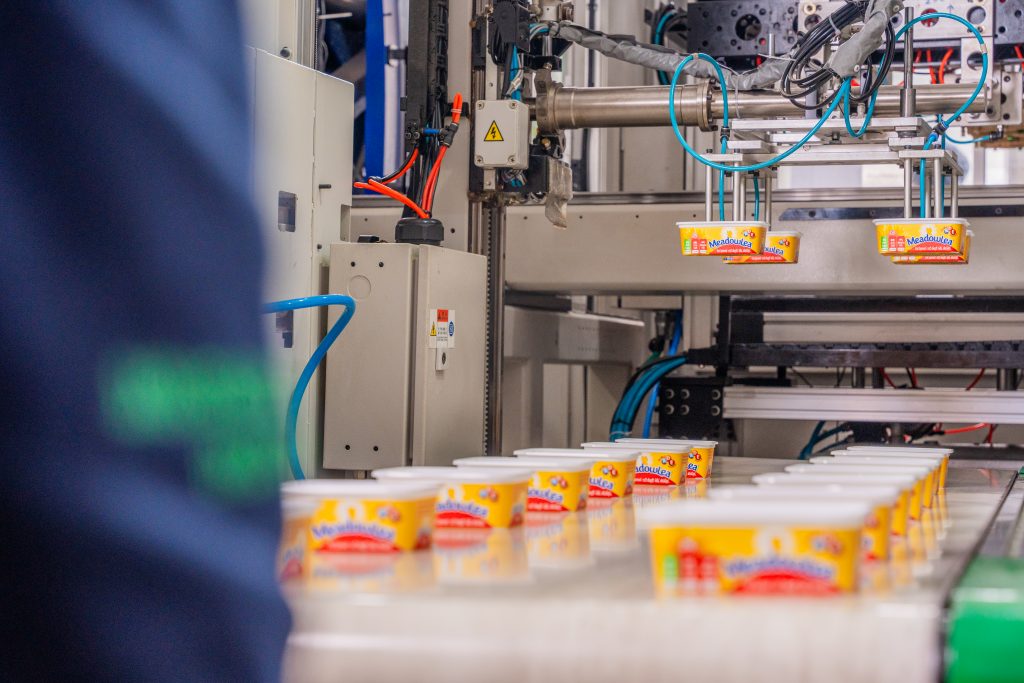
High volume food production requires packaging consistency across every unit. Variations in seal strength, wall thickness, or closure fit can compromise safety.
JPI produces customizable sizes ranging from 50 g to 20 kg and capacities from 100 ml to 20 liters. Shapes include round, oval, square, rectangular, and thin wall designs, all engineered for stacking efficiency and ergonomic handling.
In Mold Labeling, high quality stickers, embossing, debossing, custom mold designs and color masterbatch systems ensure repeatable branding consistency. Whether glossy, matte, transparent, opaque, or colored finishes are required, our production systems maintain uniform standards across scale.
Packaging Processes Aligned With Hygiene and Contamination Control
Hygiene is central to food safety compliance. Production environments must prevent contamination while maintaining efficiency.
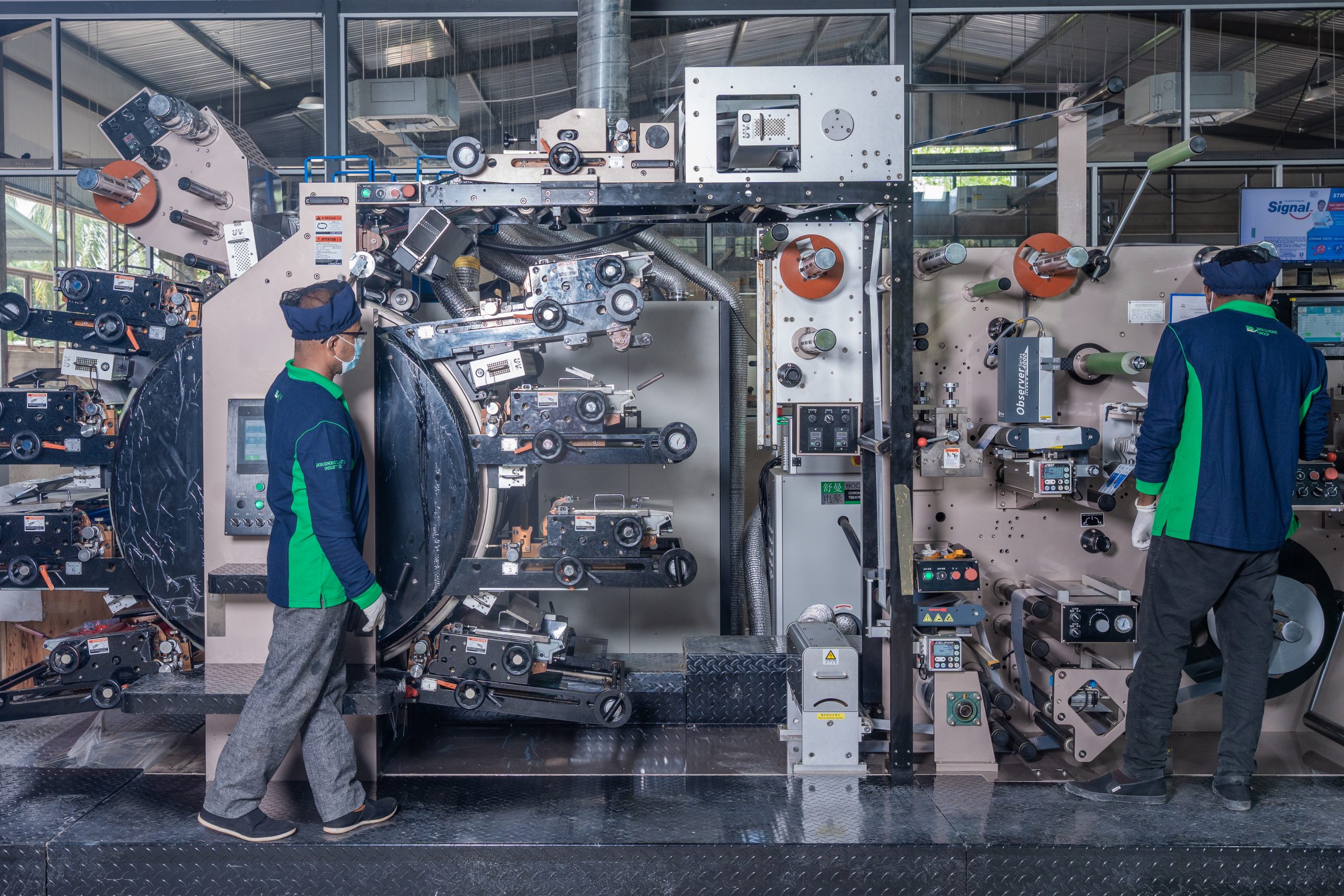
At JPI, our packaging processes are aligned with strict contamination control standards. Controlled workflows, validated sealing systems, and stackable, nestable designs improve transport efficiency without compromising safety.
We also support sustainable manufacturing by offering recyclable LDPE, HDPE, and PP material options. As regulatory frameworks evolve toward environmental accountability, this strengthens long term readiness.
Food manufacturing readiness in 2026 will not be defined by production speed alone. It will be defined by structured packaging quality systems that protect product integrity, meet regulatory demands, and build lasting consumer trust.