In global food supply chains, packaging plays a critical role in protecting product quality and maintaining compliance with international food safety standards. For food exporters, reliable packaging systems help ensure products remain safe, traceable, and consistent throughout distribution.
Today, food packaging Sri Lanka manufacturers are strengthening their reputation by adopting disciplined packaging practices that support global compliance. At JPI, we believe packaging is an essential part of food safety management. Through structured systems and controlled production environments, we help food producers maintain product integrity from filling lines to final consumer use.
Packaging Systems Aligned With Food Safety Regulations
Food packaging must operate within recognised food safety frameworks to meet global market expectations. Manufacturers in the food packaging Sri Lanka sector align their production systems with internationally accepted standards such as HACCP, FSSC 22000 V6, ISO 22000:2018, ISO 9001:2015, and SMETA 4 Pillars.
We integrate these regulatory frameworks into our packaging operations to maintain consistent quality and controlled manufacturing environments. This structured approach ensures packaging materials support food safety requirements while protecting product integrity throughout storage and transport.
Enhanced Contamination Control Protocols
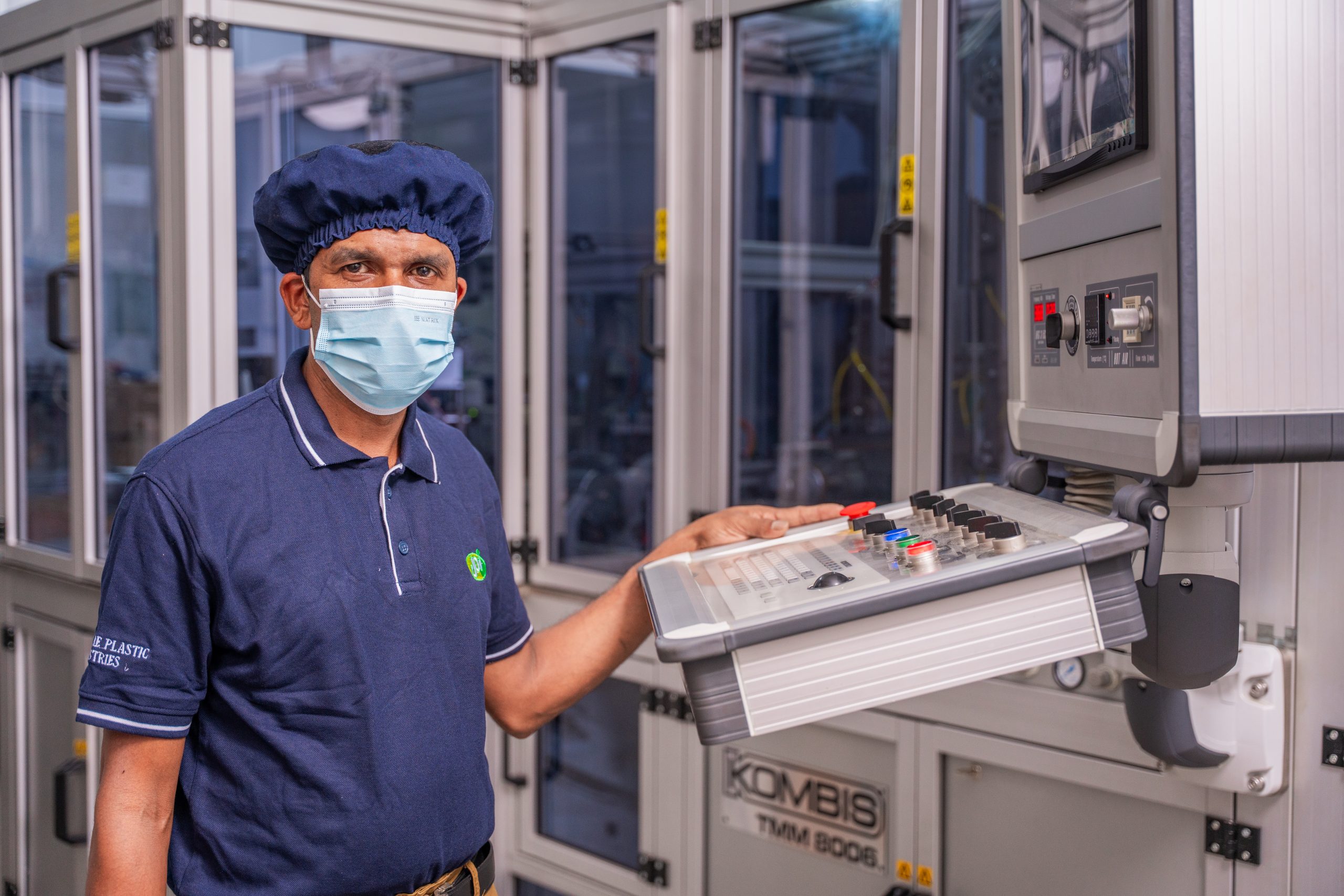
Contamination control is a critical component of food packaging production. Strict hygiene procedures and controlled production conditions help prevent exposure to environmental contaminants that could affect food safety.
At JPI, we maintain disciplined quality monitoring practices including swab testing, air quality checks, and chemical compatibility testing. Packaging durability is also verified through leak proof testing, drop testing, UV blocking evaluation, and scuff and abrasion testing. These controls ensure packaging performs reliably across handling, storage, and distribution.
Improved Traceability for Recall Readiness
Traceability has become essential for modern food supply chains. Structured documentation systems allow packaging batches to be traced back to materials and production processes.
Through these systems,manufacturers help food producers maintain better recall readiness and supply chain transparency.We support traceability through controlled production records and consistent batch monitoring, helping exporters maintain stronger accountability in global markets
High Consistency in Large Volume Production
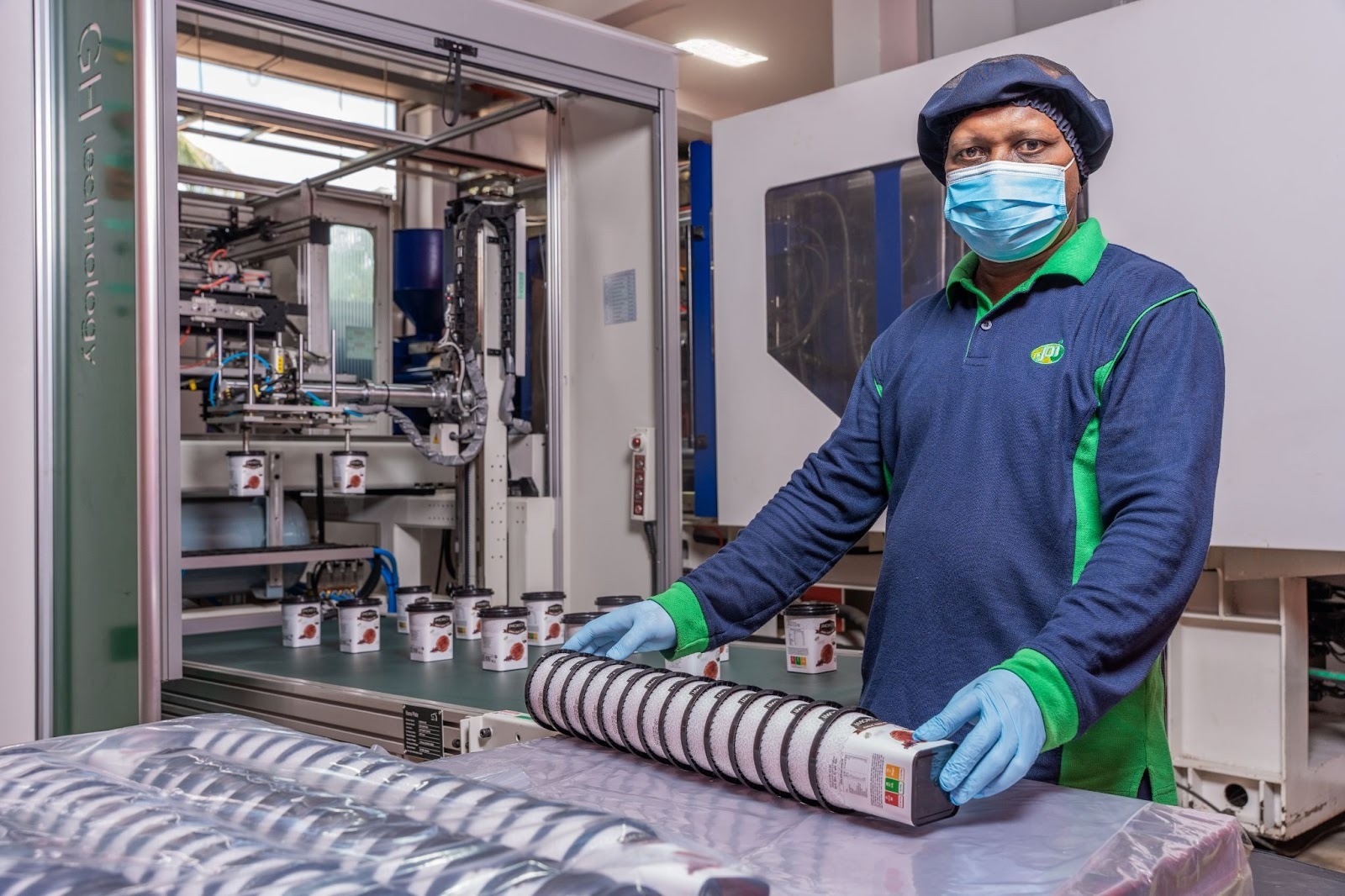
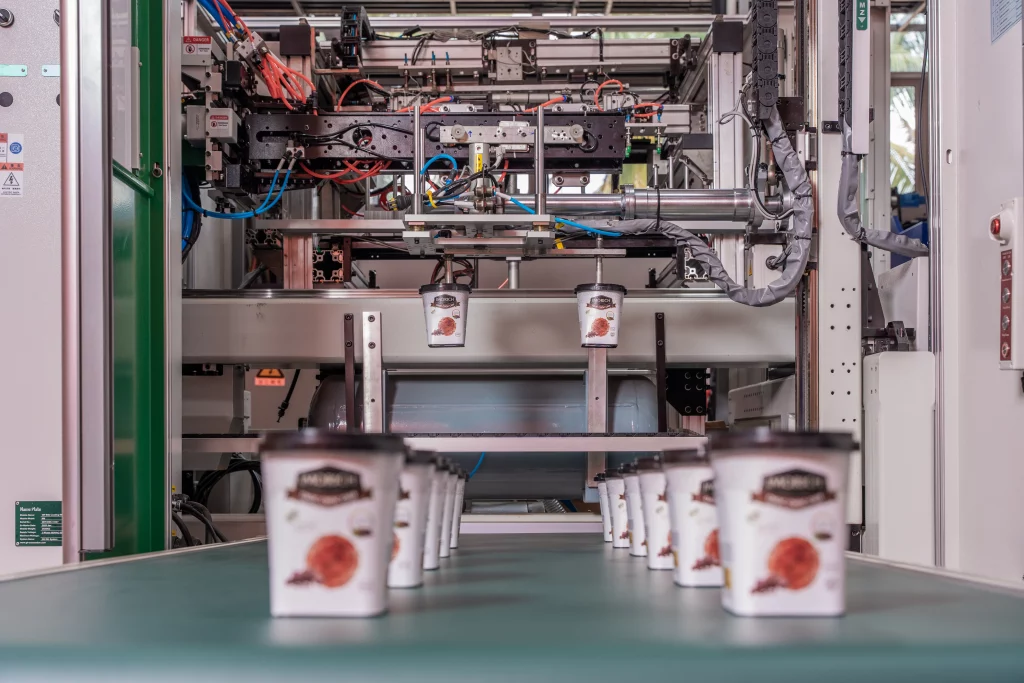
Export markets require reliable packaging supply at scale. High precision moulding technologies allow manufacturers to maintain consistent quality across large production volumes.
We prioritise process control and continuous quality verification to ensure bottles, containers, caps, and closures maintain accurate dimensions and sealing performance. This consistency supports efficient filling operations while reducing packaging defects and product loss.
Shelf Life Optimisation Through Structured Packaging Design
Packaging design plays a key role in maintaining product freshness. Carefully selected materials and sealing technologies help protect food products from oxygen exposure, moisture, and contamination.
Induction seal technology creates a secure aluminium seal that preserves product safety and freshness. Through structured packaging design, manufacturers help food producers extend shelf life while maintaining product quality during transport and storage.
Strengthening Global Food Export Reliability
As international food standards continue to evolve, packaging manufacturers play an important role in maintaining supply chain integrity. By aligning packaging systems with food safety regulations, strengthening contamination control, improving traceability, ensuring large scale production consistency, and supporting shelf life optimization,manufacturers continue to strengthen export credibility.
At JPI, we remain committed to developing packaging systems that support safe food distribution and long term export growth.