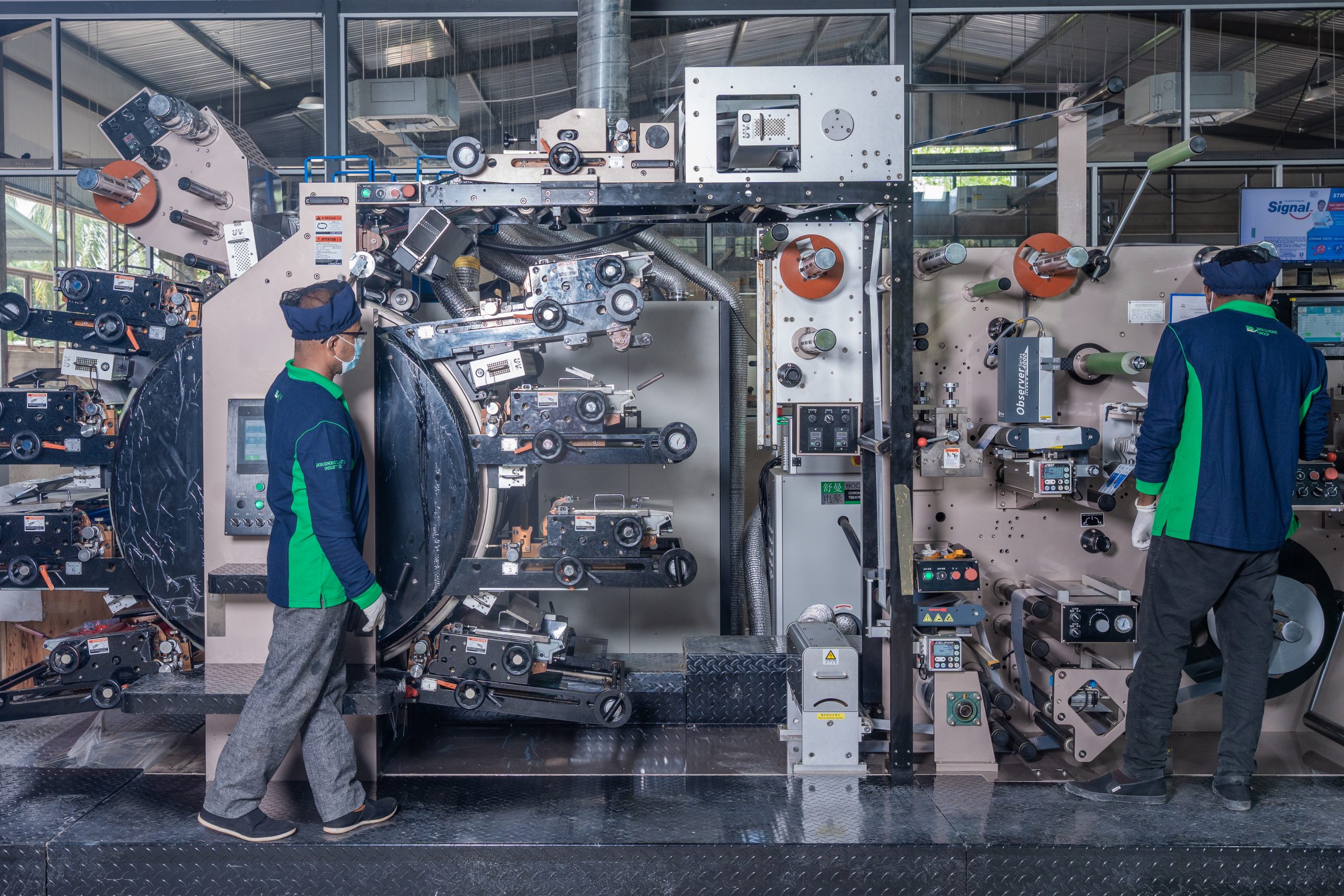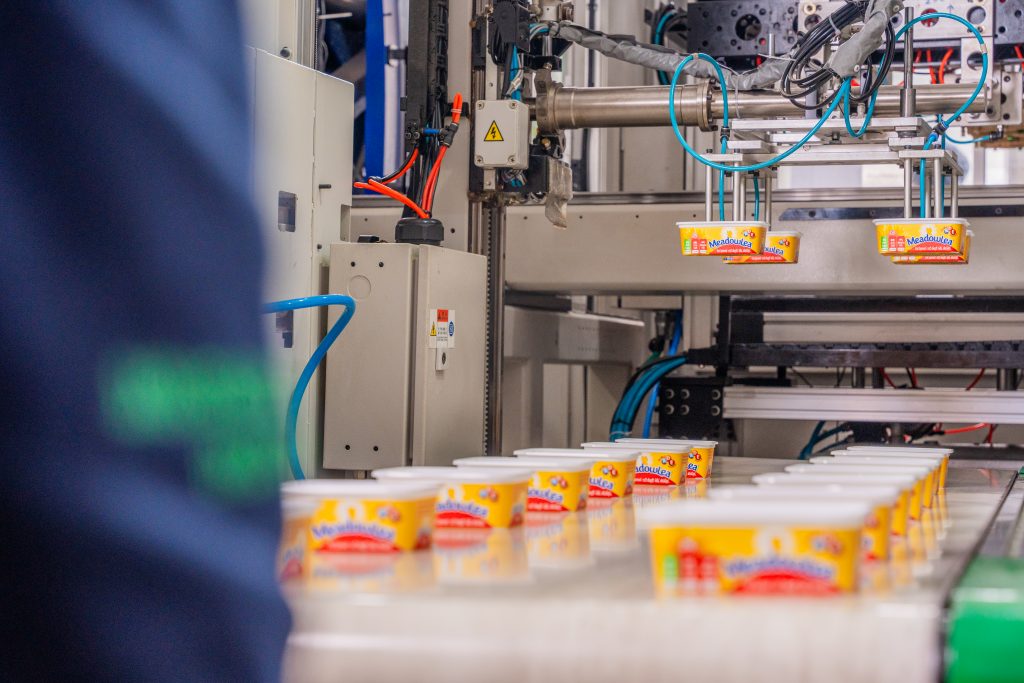
As FMCG markets grow more competitive and sustainability expectations rise, packaging is no longer just a functional requirement. By 2026, sustainable packaging will play a central role in how FMCG brands build trust, meet global standards, and plan for long-term growth.
At JPI, we see this shift clearly across export markets and buyer conversations in food packaging Sri Lanka. Our work with leading organisations such as Nippon Paint, Nestlé, Haleon, Unilever and Pyramid Wilmar Pvt Ltd reflects how expectations from regulators, retailers, and consumers are increasingly aligned. Sustainable packaging is no longer a marketing choice. It is a strategic business decision.
Building Trust With Sustainability-Conscious Consumers
Consumer awareness of environmental impact continues to grow. By 2026, transparency and responsibility will be expected as standard.
Sustainable packaging allows FMCG brands to show genuine commitment through clear material choices, responsible sourcing, and waste reduction. From our experience, brands that take a practical and credible approach are better able to connect with conscious consumers, both locally and in export markets.
Strengthening Compliance Across Global Markets
Food packaging regulations are evolving quickly, with stronger focus on material safety, traceability, and environmental impact.
When sustainability is built into packaging systems from the start, compliance becomes easier to manage. For export focused FMCG brands, this reduces regulatory risk and supports smoother access to global markets. We see sustainability and compliance becoming increasingly linked, especially in regulated food supply chains.
Differentiating the Brand On Shelf and Online
Packaging remains one of the strongest brand touchpoints. In crowded retail spaces and online platforms, sustainable packaging helps products stand out clearly.
Thoughtful design, clear sustainability messaging, and responsible material use can influence buying decisions. For food brands, this differentiation reinforces value beyond price and strengthens brand perception at the point of purchase.
Improving Operational and Cost Efficiency Over Time
While sustainable packaging requires careful planning, it often delivers long-term operational benefits. Better material efficiency, reduced waste, and stronger process control help stabilize costs over time.
From our work with manufacturers, sustainability driven packaging strategies often lead to more efficient production systems and lower exposure to future regulatory or material cost changes.
Signalling Long Term Brand Vision and Leadership
By 2026, sustainability will be a clear signal of brand leadership. FMCG companies that invest early demonstrate long term thinking, resilience and responsibility.
This positioning matters to global buyers, retail partners, and investors. Brands that align sustainability with quality and compliance are better placed to build lasting competitive advantage, particularly within food packaging Sri Lanka, where expectations from both local and export markets continue to rise.