Sustainable packaging does not begin or end at the factory gate. Every pack passes through design, material selection, production, use, and disposal, and each stage shapes its environmental impact. Brands and procurement teams now look at the whole journey, because retailers, regulators, and customers ask for proof, not promises. This shift favors manufacturers who plan for the end of a package’s life from the first sketch. As one of the plastic manufacturers in Sri Lanka investing in responsible production, we at JPI treat the full lifecycle as one connected system.
Why Does Sustainable Packaging Start at the Design Stage?
Design decides most of a package’s environmental footprint before production starts. Choices about shape, wall thickness, closure type, and material determine how much resource the pack uses and whether anyone can recycle it afterward.
Responsible material selection follows from that. Resins such as HDPE, PP, and LDPE suit many applications and have established recycling routes. Single-material designs generally recycle more easily than mixed-material ones, a principle that RecyClass design guidance builds into its recommendations. At JPI, we review material composition early, redesign formats where needed, and keep strength, safety, and compliance intact. Our eco-friendly material initiatives began in 2018, and we continue to evaluate material innovations that support sustainability objectives.
How Does Efficient Manufacturing Reduce Waste?
Efficient manufacturing reduces waste by getting each pack right the first time. Scrap, rejects, and rework all consume resin and energy, so precision at the production stage directly lowers environmental impact.
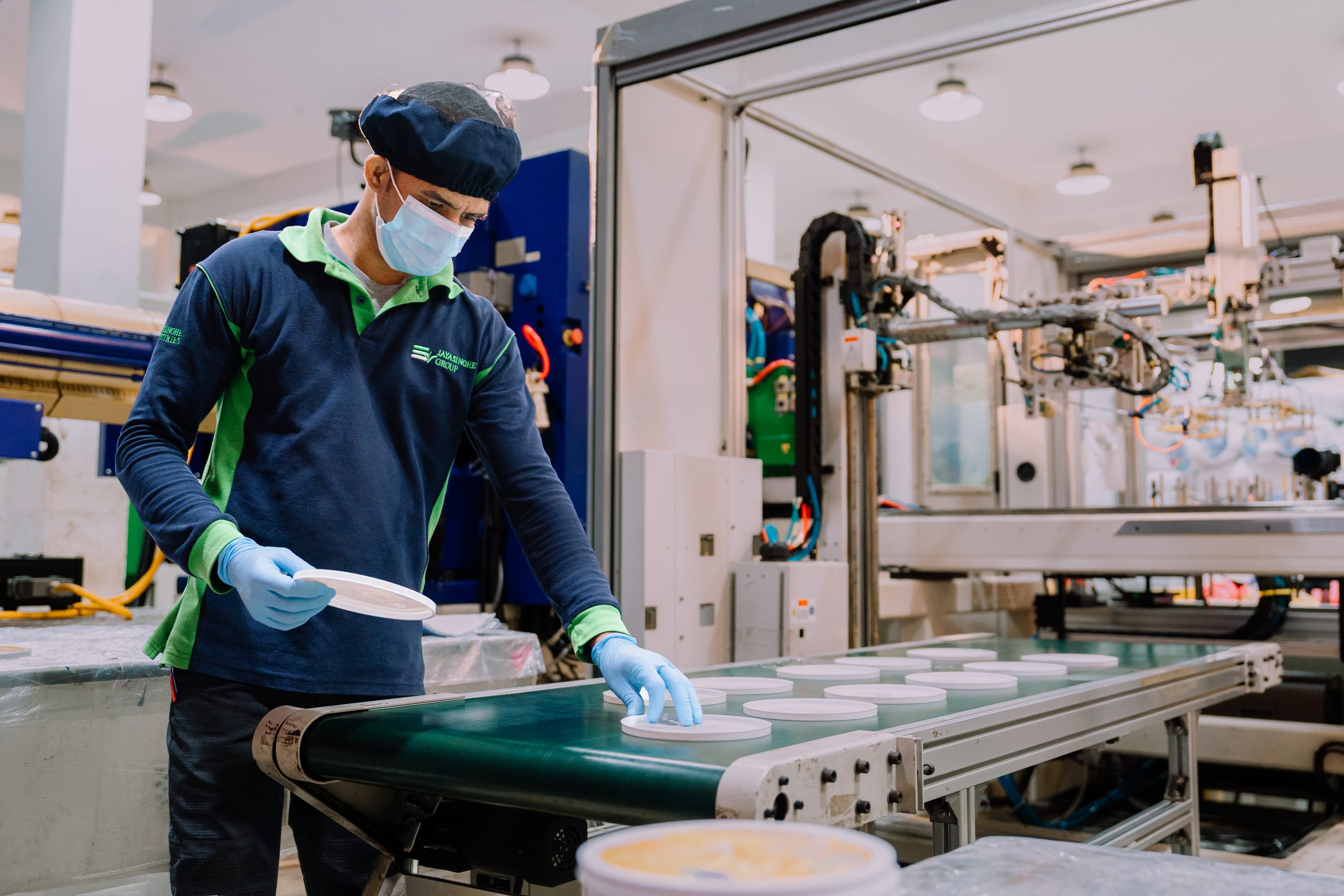
In-house mold making gives our engineers tight control over tolerances, which cuts defects and keeps wall thickness consistent. Documented quality checks catch deviations early, before they multiply across a run. Controlled processes also improve energy use and material yield. These practices matter to buyers, since waste reduction lowers operating cost while supporting environmental goals. Our certified systems, including ISO 9001:2015, give procurement teams audited evidence that these controls work.
How Do Smart Labeling and Consumer Use Affect Recyclability?
Labeling and usage decide whether a well-designed pack actually gets recycled. A label that contaminates the recycling stream, or a pack that confuses consumers, wastes the effort made upstream.
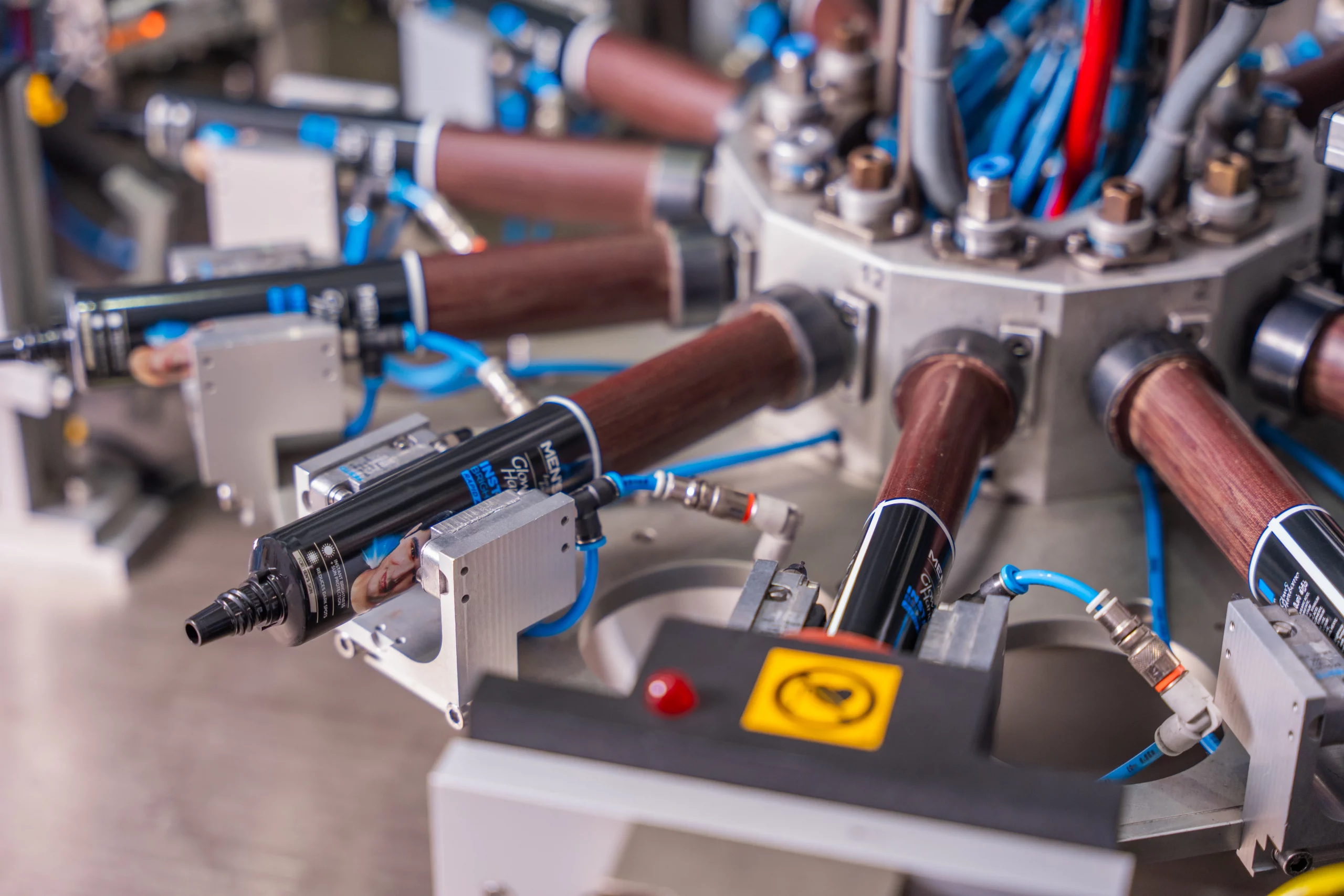
Clear material marking helps consumers and sorters identify the resin. Simpler designs help packs re-enter recycling streams instead of landfill. In-mold labeling (IML) supports this when label and container share the same polymer family, because the label becomes part of the pack and needs no separate adhesive layer. PlasticsToday’s coverage of IML with certified renewable polymers shows how the industry now pairs decoration with sustainability goals. We began producing IML labels with advanced printing machines in 2025, which gives brands durable, premium graphics without adding recycling barriers.
Use also matters. Packaging that protects products well reduces product waste, which often carries a larger footprint than the pack itself. Leak-proof sealing, good barrier performance, and reliable dispensing all protect the resources inside.
What Happens at End of Life, and How Do Brands Close the Loop?
End of life determines whether materials return to use or become waste. Closing the loop means recovering plastic, reprocessing it, and putting it back into production, so resources stay in circulation longer.
The Ellen MacArthur Foundation’s vision for plastics describes this circular approach: keep plastic in the economy and out of the environment. For manufacturers, that means designing recyclable structures and, where quality and safety allow, evaluating recycled content in new packs. Brands can then report real progress on recyclability and material use. We explain how these choices work together in our article on what makes eco-friendly plastic packaging truly sustainable.
What Does the Future of Circular Design Look Like at JPI?
The future of circular design combines recyclable structures, efficient production, and transparent data. Global markets increasingly favor circular-ready packaging, and import rules and buyer requirements follow that direction. Manufacturers who adapt early gain stronger positions in competitive export markets.
Sri Lanka’s packaging sector continues to evolve toward more responsible production, and sustainable packaging Sri Lanka brands can now source locally with growing confidence. Buyers evaluating plastic manufacturers in Sri Lanka increasingly value manufacturing agility, production consistency, supply reliability, operational transparency, and environmental responsibility. Local production also supports procurement consistency, while low MOQ runs let emerging brands trial eco-friendly plastic packaging before scaling. At JPI, we focus on packaging solutions that balance quality, consistency, and environmental responsibility, and we keep investing in the technologies that make circular design practical.
Partner with us at JPI to access reliable packaging solutions that support quality, sustainability, and long term market success.
Frequently Asked Questions
What is the lifecycle of sustainable plastic packaging?
The lifecycle covers design, material selection, manufacturing, distribution, consumer use, and end of life. Sustainable packaging considers every stage, aiming to minimize resource use, protect the product, and ensure the material can be recovered and recycled when its useful life ends.
Why does design matter most for packaging sustainability?
Design choices such as material, wall thickness, closure type, and structure fix most of a package’s environmental footprint before production begins. Designing for recyclability and material efficiency from the start is far more effective than trying to fix problems later.
How does efficient manufacturing support eco-friendly plastic packaging?
Precise molds, controlled processes, and documented quality checks reduce scrap, rejects, and rework, which saves resin and energy. Consistent production also means fewer defective packs reach customers, so less material ends up as avoidable waste.
How does labeling affect plastic packaging recyclability?
Labels that contaminate recycling streams reduce recovery quality. Clear material marking helps sorting, while IML using compatible polymers integrates the label into the pack, removing separate adhesives and making recycling simpler without sacrificing the visual impact brands want.
What does closing the loop mean in packaging?
Closing the loop means collecting used plastic, reprocessing it, and returning it to production, so materials stay in circulation instead of becoming waste. Manufacturers support this by designing recyclable structures and evaluating recycled content where quality and safety requirements allow.
How does packaging performance reduce environmental impact during use?
Packaging that protects products well reduces product spoilage and damage, which often carries a larger environmental footprint than the pack itself. Leak-proof sealing, strong barrier performance, and reliable dispensing keep products usable and prevent unnecessary waste.
Why is circular design important for export-focused brands?
International markets increasingly favor recyclable, circular-ready packaging, and buyer requirements and import regulations follow that trend. Brands that adopt circular design early meet these expectations more easily and strengthen their position in competitive export markets.
How does JPI balance sustainability, quality, and reliability?
At JPI, we combine early material review, in-house mold making, certified quality systems, and documented checks. This lets us support sustainability goals, including recyclable structures and material innovation, while keeping the strength, safety, and consistency buyers expect.