Shoppers form an opinion about food before they taste it. The pack on the shelf sets expectations for freshness, quality, and flavor, and those expectations shape what customers experience when they eat. For F&B brands and food exporters, packaging design therefore works as part of the product itself, not just its container. Rising competition, stronger hygiene expectations, and growing demand for responsible materials have raised the bar further. As one of the plastic manufacturers in Sri Lanka serving food and FMCG clients, we at JPI see how closely design, manufacturing quality, and customer loyalty connect.
How Do Colors, Textures, and Materials Influence Taste Perception?
Colors, textures, and materials send signals that customers read as flavor and quality cues. Research led by Oxford professor Charles Spence suggests that packaging color and texture can change how people judge taste, and that shoppers often trust the color on a pack more than the flavor inside it.
Material choice sends its own message. A firm, well-finished container suggests care and quality, while a flimsy or poorly printed one suggests the opposite. For food packaging in Sri Lanka and export markets, this means resin selection, wall thickness, and surface finish deserve the same attention as graphics. Manufacturers who control these details help brands deliver the quality impression they intend.
How Do Shape and Transparency Improve the Consumer Experience?
Shape improves the experience when it supports how people hold, open, pour, and store a product. Spence’s research also links rounder shapes with sweeter perceptions and angular shapes with bitterness, so structural design can reinforce a product’s flavor story. Practical details matter too: grip, stackability, and easy opening all shape how customers feel about a brand.
Transparency builds trust because customers can see what they are buying. Clear windows and clear containers show freshness and portion size, which reduces doubt at the point of purchase. Clarity also boosts recognition: sharp printing, clean edges, and legible labels help a pack stand out on a crowded shelf and stay memorable afterward. Consistent molding precision makes this level of clarity possible.
Why Does Consistent Packaging Drive Brand Loyalty?
Consistent packaging helps customers recognize a product instantly and trust that it will taste the same each time. When color, shape, and print vary between batches, shoppers notice, and they often blame the product rather than the pack. Spence’s work on a white cola can, which prompted complaints that the drink tasted different, shows how quickly packaging changes affect perceived flavor.
Repeat purchase depends on this reliability. At JPI, we support brand partners through consistent packaging production, with documented quality checks that keep each batch aligned with approved specifications. We explore this link further in our article on why packaging uniformity builds brand trust. For growing food brands, low minimum order quantities also allow design testing before larger runs.
How Does In-Mold Labelling Add Premium and Recyclable Appeal?
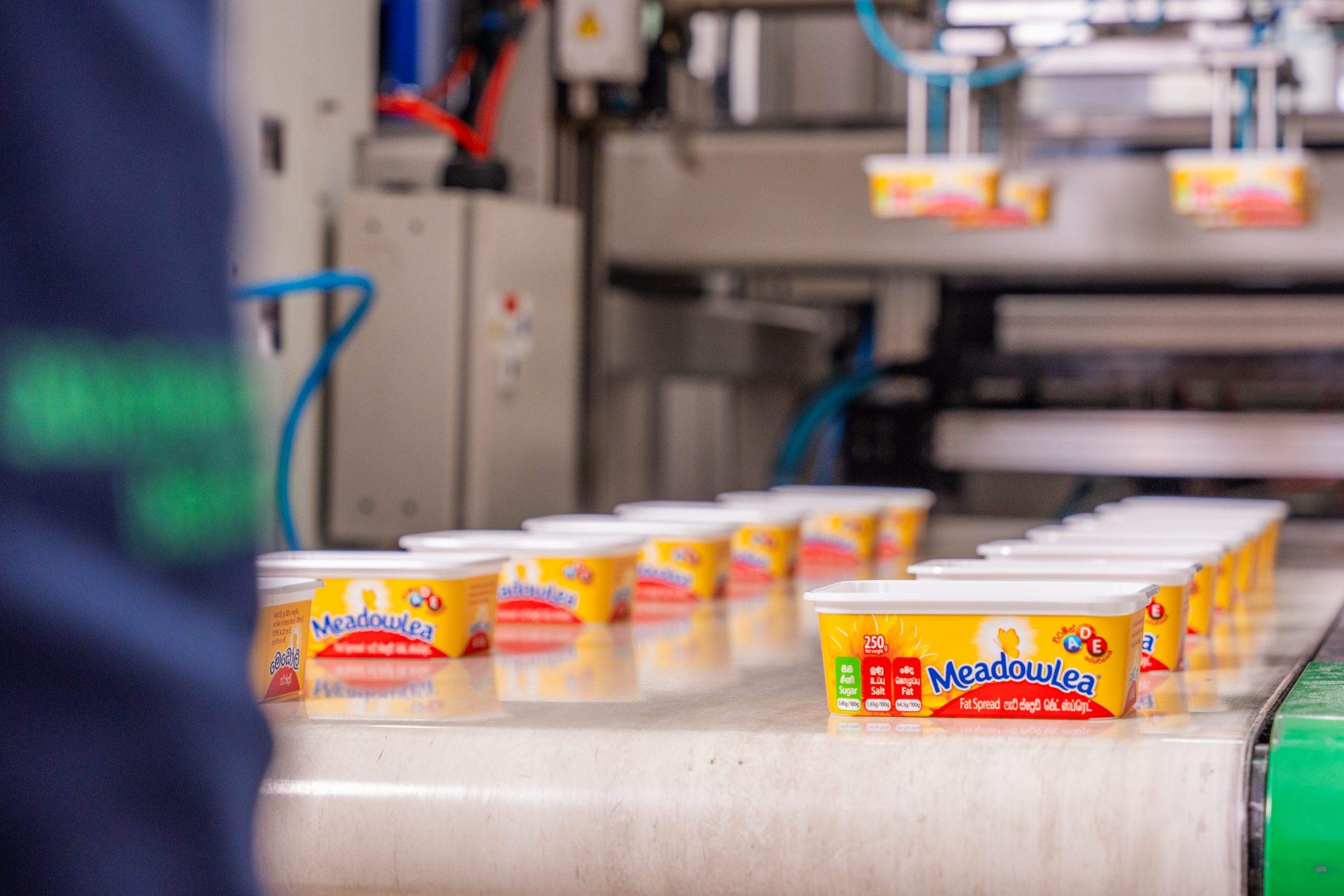
In-mold labelling (IML) fuses the printed label into the container during molding, so the graphics become part of the pack. The result is a durable, scratch-resistant finish with full-color print that stays sharp through storage, handling, and refrigeration, which supports a premium look for food products.
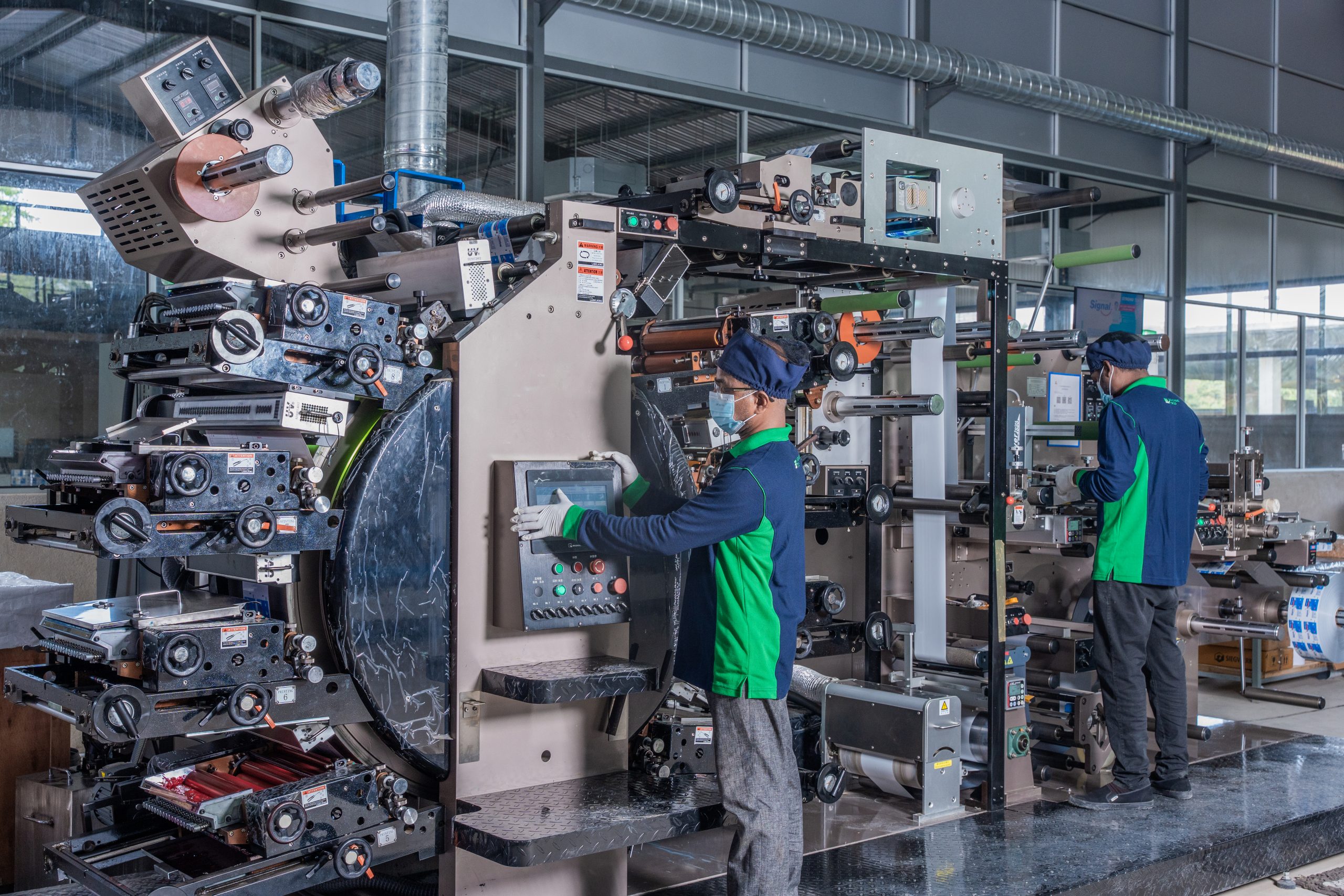
IML also supports recyclability when the label and container share the same polymer family, since the pack then needs no separate adhesive label. PlasticsToday’s coverage of IML with certified renewable polymers shows how the industry now links this decoration method with sustainability goals. We began producing IML labels with advanced printing machines in 2025, which extends the design options we offer food brands without compromising consistency.
How Does Sustainable Packaging Strengthen the Connection Between Food Brands and Consumers?
Sustainable packaging strengthens brand connection because consumers increasingly reward brands that act responsibly. Recyclable structures, recycled content, and efficient material use all signal that a brand shares its customers’ values, and that signal supports loyalty over time. We began eco-friendly material initiatives in 2018 and continue to evaluate material innovations that support food brands’ sustainability goals.
Sri Lanka’s packaging sector continues to evolve toward more responsible production, and buyers now assess suppliers on more than price. When evaluating plastic manufacturers in Sri Lanka for food packaging plastic solutions, procurement teams look for manufacturing agility, production consistency, supply reliability, operational transparency, and environmental responsibility. Local production also supports procurement consistency and operational planning for brands that depend on steady supply. At JPI, we focus on packaging solutions that balance quality, consistency, and environmental responsibility, so a brand’s design promise reaches customers intact on every order.
Partner with us at JPI to access reliable packaging solutions that support quality, sustainability, and long term market success.
Frequently Asked Questions
How does packaging design influence taste perception?
Color, texture, shape, and material send cues that shape how customers judge flavor and quality before and during consumption. Research from Oxford suggests these cues can change perceived sweetness, saltiness, and overall quality, making packaging design a meaningful part of the product experience.
Why does packaging color affect how food tastes?
Customers associate certain colors with specific flavors, so the color on a pack sets flavor expectations before the first bite. When color matches the expected flavor, the product feels more authentic. Mismatched colors can create confusion and make the product seem different.
How does transparent packaging build consumer trust?
Clear windows and transparent containers let customers see freshness, portion size, and product quality directly. This reduces uncertainty at the point of purchase and signals confidence from the brand. Precise molding and clean finishing help clear packaging look professional and reliable.
Why is consistent packaging important for brand loyalty?
Consistent color, shape, and print help customers recognize a product instantly and trust it will deliver the same experience each time. When packaging varies between batches, shoppers often assume the product itself has changed, which weakens loyalty and repeat purchase.
What is in-mold labelling and why do food brands use it?
In-mold labelling fuses a printed label into the container during molding, creating a durable, scratch-resistant, full-color finish. Food brands choose it for premium shelf appeal, resistance to moisture and temperature changes, and, when label and container share a polymer family, easier recycling.
How does IML support sustainable food packaging?
Because IML removes the need for a separate adhesive label, it simplifies pack construction. When label and container use compatible polymers, the pack can be easier to recycle. This lets food brands combine strong visual design with responsible packaging goals.
How does sustainable packaging strengthen brand loyalty?
Consumers increasingly favor brands that show environmental responsibility. Recyclable structures, recycled content, and efficient material use signal shared values, which builds emotional connection and trust. Over time, that connection supports repeat purchase and stronger customer relationships.
What should food brands expect from plastic manufacturers in Sri Lanka?
Food brands should expect consistent production, quality systems with recognized certifications, design and printing capability, and reliable supply. Manufacturers who document quality and collaborate on design help brands deliver packaging that protects the product and strengthens customer trust.