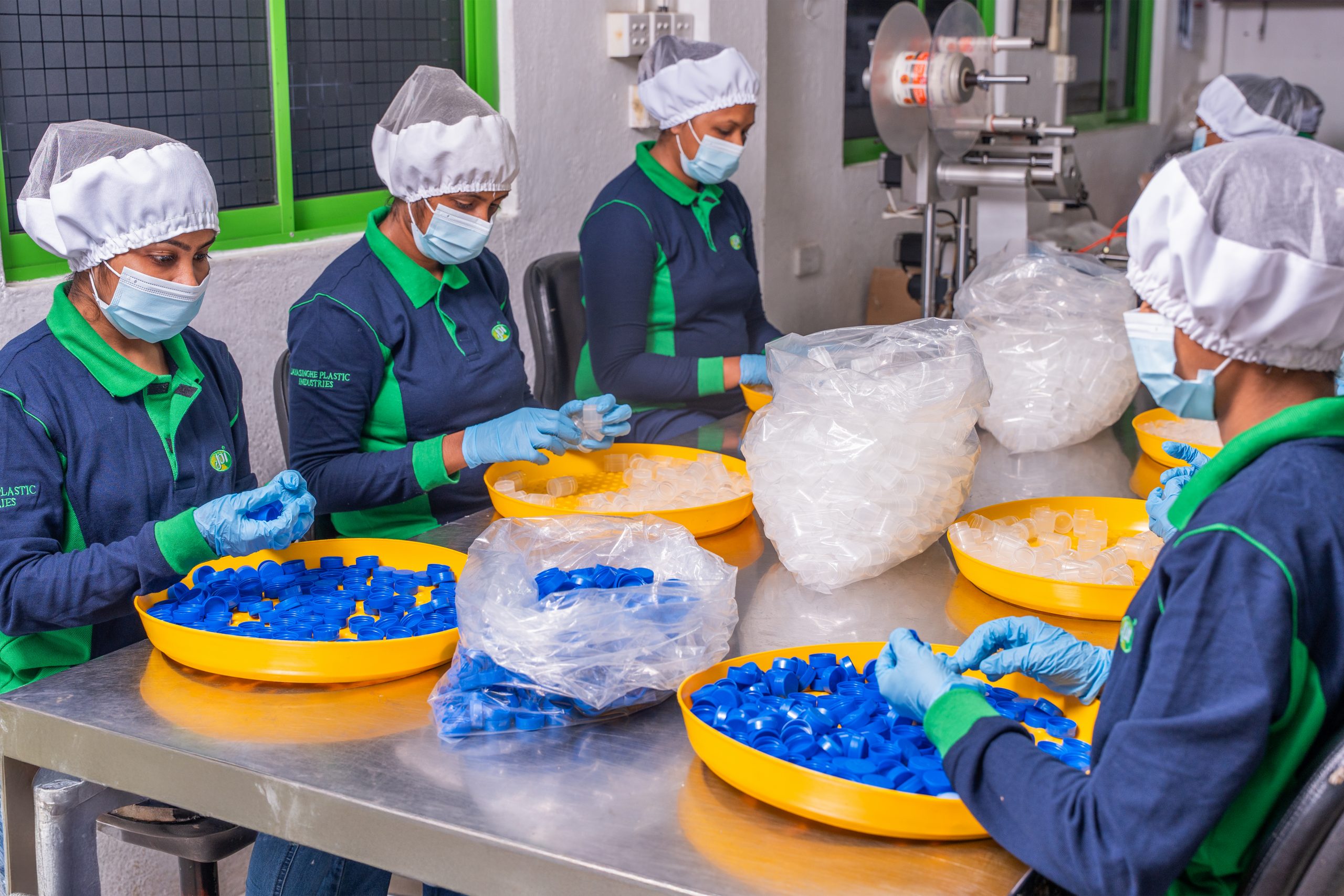
As a manufacturer of plastic packaging in Sri Lanka, we work with cosmetic brands who know that on a crowded beauty shelf, packaging often does more selling than the product description ever could. Cosmetic packaging tubes aren’t just a functional container. They’re one of the first physical touchpoints a customer has with a brand’s identity. Getting the shape, finish, and closure right can be the difference between a product that gets picked up and one that gets scrolled past.
This article breaks down what actually goes into designing standout cosmetic packaging tubes: shape and finish options, decorative techniques, the balance between function and aesthetics, and how to move fast without compromising quality.
Why Plastic Packaging in Sri Lanka Works for Cosmetic Brands
Sri Lanka’s manufacturing base has become a reliable source for cosmetic brands seeking custom tube design without the lead times or costs of sourcing from larger, less flexible markets. Local production combines skilled tooling, quality control, and export-ready standards, making plastic packaging in Sri Lanka a practical choice for brands that need both design quality and manufacturing reliability.
Tube Shapes and Finish Options
Tube design starts with shape, and shape communicates brand positioning before a customer reads a single word. Common formats include:
- Standard round tubes – versatile, cost-efficient, and familiar to consumers across skincare and hair care
- Oval and flat tubes – offer a more premium shelf presence and better ergonomics for dispensing
- Airless tubes – protect sensitive formulations from oxidation and contamination, popular for serums and active ingredients
- Squeeze tubes with custom nozzles – useful for precision-dispensing products like treatments or colour cosmetics
Finish choices layer on top of shape to define how the product feels in hand. Matte, gloss, soft-touch, and frosted finishes each create a different sensory impression, and increasingly, brands are pairing these with lighter-weight materials to balance a premium feel with practical shipping costs. Industry coverage of 2026 packaging trends from The Cary Company notes that brands are achieving this “lightweight luxury” look through design details like embossed textures and refined closures rather than relying on heavier materials.
Decorative Techniques: Foil, Print, and Beyond
Decoration is where cosmetic packaging tubes go from functional to memorable. The most widely used techniques include:
- Hot stamping / foil stamping – applies a thin metallic layer (gold, silver, rose gold, holographic) for a reflective, premium finish
- Spot UV coating – adds glossy, raised detail to specific design elements without affecting the surrounding matte finish
- Cold foil – allows more intricate, full-coverage metallic designs at a different cost and production profile than hot stamping
- High-resolution offset or digital printing – supports detailed branding, gradients, and photo realistic artwork directly on the tube surface
According to a detailed breakdown of decoration techniques from Othila Pak, the more sophisticated brands in 2026 are moving away from stacking multiple decorative effects and instead using one or two techniques with precision, since over-decorating a tube tends to read as cluttered rather than luxurious, and can even create a mismatch between the packaging’s visual language and the product’s actual brand psychology.
Functional vs. Aesthetic Design: Finding the Balance
It’s easy to over-index on how a tube looks and under-invest in how it performs, or the reverse. Both extremes create problems for cosmetic brands. Functional considerations that shouldn’t be sacrificed for design include:
- Barrier protection – keeping formulations stable and free from oxidation, especially for actives and natural ingredients
- Dispensing accuracy – nozzle and cap design that controls product flow without waste or mess
- Durability in transit and daily use – tubes need to survive shipping, retail handling, and repeated squeezing without cracking or leaking
- Material compatibility – ensuring the tube material doesn’t react with or degrade the formula inside
The best cosmetic packaging tubes treat these functional requirements as the foundation, then layer design and decoration on top, rather than choosing a striking finish that compromises how the product actually performs for the end user.
Sustainability Is Becoming Part of the Design Brief
Material choice is increasingly part of the aesthetic conversation too, not a separate checkbox. Recent innovation coverage from Function Packaging points to aluminum tubes, mono-material structures, and refillable formats as leading trends for 2026, driven by both regulatory pressure and consumer expectations around recyclability. Mono-material tubes in particular are gaining traction because they simplify recycling without requiring brands to compromise heavily on shape or finish options.
For cosmetic brands under pressure to demonstrate sustainability credentials, this means tube design decisions now sit at the intersection of visual impact, functional performance, and material responsibility, all at once.
Speed-to-Market and MOQs
Design ambition means little if it can’t move fast enough to match a brand’s launch calendar. Cosmetic brands, particularly those competing with fast-moving categories like K-beauty, which often launches on quarterly cycles, increasingly need packaging partners who can deliver custom-feeling design without the lead times of a fully custom mold.
Practical ways manufacturers solve for this include:
- Stock tube bases with custom decoration – using existing mold shapes and applying unique finishes, colors, and printing to create a distinct look faster
- Flexible minimum order quantities (MOQs) – allowing smaller brands or limited-edition runs to access quality packaging without committing to excessive volume
- Parallel-path production – running tooling, printing, and quality checks concurrently rather than sequentially to compress timelines
- Modular cap and closure options – swapping caps or nozzles onto a shared tube body to create variation without a full redesign
This approach lets brands respond to trends and market shifts in something closer to weeks than months, without sacrificing the visual polish that makes packaging stand out in the first place.
What This Means for Plastic Packaging in Sri Lanka Buyers
When evaluating a cosmetic packaging tubes supplier, brands and procurement teams should look for a partner who can speak fluently to all four of these dimensions: shape and finish, decoration, function, and speed, rather than one who leads with aesthetics alone. Some practical questions worth asking:
- What tube shapes and finish options are available as stock versus fully custom?
- Which decorative techniques does the manufacturer offer in-house versus outsource?
- How does the tube perform under real transit and shelf conditions, not just in a sample?
- What are realistic MOQs and lead times for a first order versus a repeat run?
A supplier who can answer these clearly, with samples and documented capabilities rather than just renderings, is one that can actually deliver on a brand’s design vision at production scale.
Final Thoughts
Standout cosmetic packaging isn’t about chasing every decorative trend at once. It’s about choosing the right tube shape, applying decoration with intention, protecting product performance, and being able to move at the speed today’s beauty market demands. Brands that get this balance right turn cosmetic packaging tubes from a functional necessity into a genuine competitive advantage.
Looking for a manufacturing partner who can bring custom tube design to life without slowing down your launch timeline? Explore our cosmetic packaging solutions built for brands that need both standout design and dependable production.