The manufacturing sector is entering a new phase where technology plays a central role in operational performance. For plastic manufacturers in Sri Lanka, technological capability is becoming a key factor that separates industry leaders from traditional production models.
In the past, manufacturing success often depended on production capacity and cost efficiency. Today, global buyers and growing brands expect far more. They look for stable production systems, reliable quality standards, and clear operational visibility across the manufacturing process.
Technology adoption is helping manufacturers meet these expectations by introducing smarter production environments that improve efficiency, consistency, and supply chain reliability. At JPI, we continue to invest in modern production technologies that help us support the evolving needs of both domestic and export markets.
Real Time Process Control
Modern plastic manufacturing requires greater visibility into production operations. Traditional production environments often rely on manual monitoring, which can make it difficult to detect process variations early.
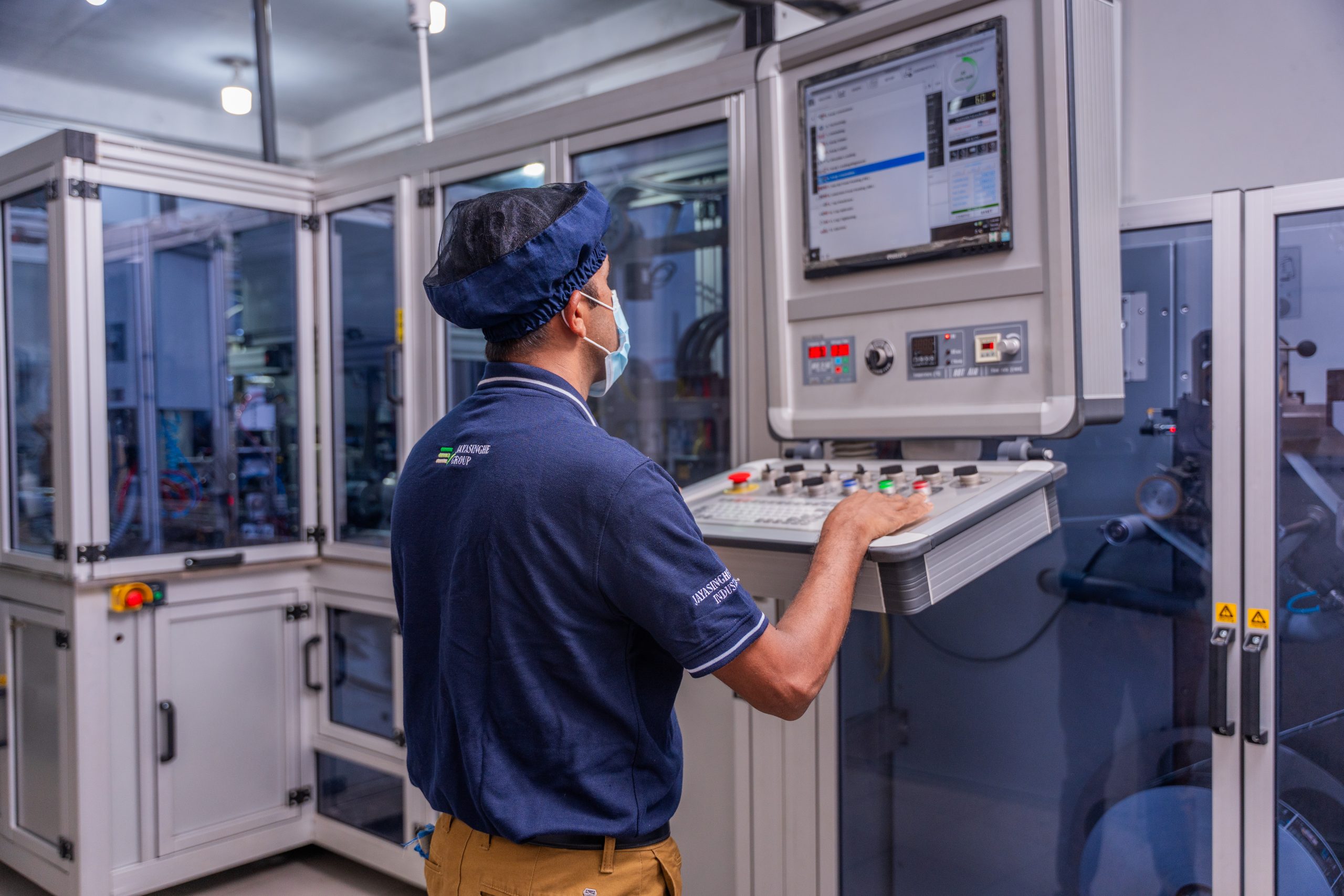
Real time process control systems allow manufacturers to monitor key production parameters as operations take place. These systems track variables such as temperature, pressure, cycle time, and material flow throughout the manufacturing process.
By monitoring these indicators continuously, production teams can identify potential issues before they affect product quality. This allows manufacturers to maintain stable production conditions and reduce the risk of defective output.
We integrate advanced monitoring practices into our manufacturing operations so production performance remains consistent and predictable.
Automated Quality Checkpoints
Quality control has always been an essential part of manufacturing. However, manual inspection processes can sometimes introduce inconsistencies, particularly when production volumes increase.
Automated quality checkpoints help manufacturers maintain reliable inspection standards across every production cycle. These systems allow quality verification to occur at multiple stages during manufacturing.
Automated inspection tools can detect dimensional variations, labeling inconsistencies, and surface defects during production. Early detection ensures that quality issues are addressed immediately before they affect larger production batches.
At JPI, we continue to strengthen our quality control framework through improved production technologies. Over the years we have introduced advanced molding and printing systems that support more accurate and repeatable manufacturing processes.
Digital Production Traceability
Traceability has become an important requirement for many industries, especially for companies supplying packaging products to international markets. Buyers often require clear documentation about how products were manufactured and which production conditions were used.
Digital production traceability systems allow manufacturers to record and track key production data. This includes information about materials, machine settings, production batches, and quality verification processes.
With structured digital records, manufacturers can provide greater transparency to their customers and maintain stronger accountability across their operations.
We design our manufacturing systems to maintain reliable production records that support consistent quality and supply chain confidence.
Faster Response to Production Deviations
Even in well managed production environments, deviations can occasionally occur. What defines a strong manufacturing system is how quickly these issues are identified and corrected.
Technology driven manufacturing allows production teams to detect deviations much earlier than traditional systems. Automated alerts and monitoring tools notify teams when production parameters move outside acceptable limits.
This early warning capability allows manufacturers to take corrective action immediately. Faster responses help prevent quality issues and reduce production downtime.
For growing brands and export focused manufacturers, reliable production environments are essential for maintaining delivery schedules and product consistency.
Improved Production Efficiency and Output Stability
Efficiency remains a core objective for any manufacturing operation. Technology adoption allows manufacturers to improve production efficiency while maintaining stable product quality.
Automated systems reduce manual intervention and allow machines to operate with greater precision. This helps maintain consistent production cycles and improves output stability across manufacturing runs.
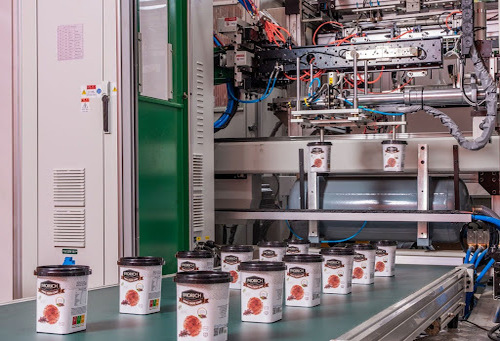
Over the years JPI has invested in production technologies that strengthen manufacturing capability. In 2010 we introduced advanced molding and printing technologies that improved production quality. In 2015 we introduced an automated In Mold Labelling production line, which strengthened labeling accuracy and production efficiency.
Our manufacturing capabilities continued to expand in 2017 when we introduced ABL and PBL web printing technology for the first time in Sri Lanka. In 2020 we commenced ABL and PBL flexible tube manufacturing, which allowed us to support cosmetic and personal care brands with more specialized packaging solutions.
Most recently, in 2025 we began producing In Mold Label products using advanced printing machines. These developments reflect our commitment to strengthening manufacturing capability through technology adoption.
Building a Stronger Manufacturing Future
Manufacturing industries are evolving rapidly as technology reshapes how production environments operate. Companies that adopt modern production technologies are better positioned to deliver consistent quality, maintain operational efficiency, and support growing market demands.
Plastic manufacturers in Sri Lanka are gradually embracing this shift by investing in automation, data driven monitoring systems, and improved manufacturing infrastructure.
At JPI, we believe technology plays an essential role in building reliable manufacturing partnerships. By strengthening our production systems and maintaining a disciplined approach to quality control, we continue to support businesses that require dependable packaging solutions.